Your credit card often suffers the reputation of a temptation to overspend, yet in skilled hands it evolves into a sophisticated instrument for long-term financial success.
By learning to harness its hidden strengths—credit building, rewards optimization, risk management, budgeting support, and emergency readiness—you transform a simple piece of plastic into an indispensable ally in your fiscal journey.
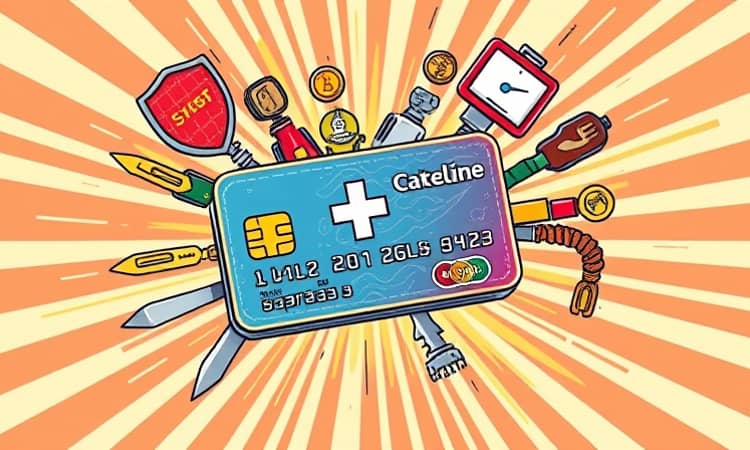
Reframing Your Credit Card: A Swiss Army Knife for Finance
Imagine a tool in your wallet that pays you back on groceries, protects you against theft, and bridges the gap between paychecks without cost. This is the essence of the modern credit card.
When approached strategically, it functions as a short-term credit line and rewards engine, a risk-management tool for purchases and travel, and a convenient budgeting hub all at once.
Of course, misuse can reverse these benefits. Overspending or carrying revolving debt at high APRs quickly transforms potential gains into an expensive burden.
Embracing its full potential involves selecting cards aligned with your lifestyle, committing to on-time payments, and regularly reviewing your statement for both opportunities and cautionary signs.
Building and Maintaining Strong Credit Profiles
One of the most powerful uses of your card is cultivating a reliable credit history. Your payment record and utilization ratio together account for the lion’s share of your credit score.
Making build and maintain a strong credit profile your daily mantra means paying in full every cycle and keeping balances ideally below 30% of available credit.
Consider starting with a single card for recurring small bills—like a streaming service or phone plan—and paying it off immediately to establish a positive payment history.
Advanced users may open additional accounts to boost total credit limits, but beware: more cards can reduce your average account age and invite the temptation to overspend.
- Pay full balances by the due date each month
- Maintain utilization at or below 30% of each limit
- Check credit reports for errors at least twice a year
- Avoid opening multiple new accounts simultaneously
Over time, disciplined management not only raises your score but unlocks better loan terms for mortgages, auto financing, and more.
Earning Meaningful Returns on Everyday Spending
When you treat rewards as a cash-back or points “yield” on spending, everyday purchases transform into miniature investments.
Select a flat-rate card for general spending or specialty cards for groceries, gas, or travel. For example, a 6% supermarket cash-back card can yield hundreds of dollars annually if your grocery budget is $500 monthly.
Introductory bonuses and point multipliers amplify your returns:
Skillful redeemers convert flexible points into value through airline transfers or statement credits, squeezing out every cent of the “risk-free” return on planned expenses you can.
Remember, carrying a balance negates these rewards: high APR interest charges will overshadow any points value in weeks.
Managing Risk with Built-in Protections
Unlike cash or debit, credit cards come with layers of consumer defenses that save time, money, and stress when things go awry.
Common perks include zero liability for fraudulent charges, purchase protection against accidental damage or theft, and secondary car rental insurance—each acting like a built-in insurance and purchase protections layer.
For travelers, premium cards often extend coverage for trip cancellation, lost luggage reimbursement, and emergency medical assistance—roofing your plans in a safety net few other payment methods can match.
- Instant fraud alerts and unauthorized charge disputes
- Replacement or repair for damaged purchases
- Extended warranties beyond factory guarantees
- Rental car collision damage waiver coverage
Always read your card’s benefit guide to know coverage limits and claim procedures so you can file swiftly and confidently.
Optimizing Cash Flow and Budget Tracking
Your credit card grants an interest-free float each billing cycle, functioning as a micro loan between purchase date and due date.
This stretch of up to 30 days—or longer with grace periods—lets you synchronize bills with income cycles, smoothing out bumps from sudden expenses like home repairs.
Meanwhile, digital dashboards categorize your transactions, turning raw numbers into insight. You can spot overspending on subscriptions, adjust budgets mid-month, and even export data to spreadsheet or accounting software.
- Customize alerts to flag large or unusual transactions
- Set monthly spending targets by category
- Export CSV files for deeper analysis in budgeting apps
By treating your statement as a financial report card, you gain clarity on where your money flows and how to redirect it toward your goals.
Your Card as an Emergency Financial Backup
Emergencies strike with no warning. Having a dedicated credit card reserved for unforeseen bills—whether medical, automotive, or travel-related—can mean the difference between calm resolution and frantic borrowing.
Many issuers offer emergency services like expedited card replacement, cash advances, or worldwide assistance hotlines, ensuring you’re never truly stranded.
Set a modest credit limit on this backup card, track its activity separately, and maintain a habit of paying any emergency balance immediately to avoid steep fees.
By combining careful preparation with the card’s safety net, you reinforce a financial fortress that stands ready when life’s curveballs arrive.
When you integrate these five dimensions—credit building, rewards optimization, risk mitigation, cash-flow flexibility, and emergency preparedness—you convert your credit card into a comprehensive personal finance tool.
Embrace this holistic mindset, and the plastic in your wallet will reward you with lower borrowing costs, extra cash, enhanced security, and the confidence that your finances are well-armed for whatever lies ahead.
Commit today to exploring each capability, choose products that match your needs, and watch as your credit card evolves from a source of temptation into a lever for lasting financial freedom.