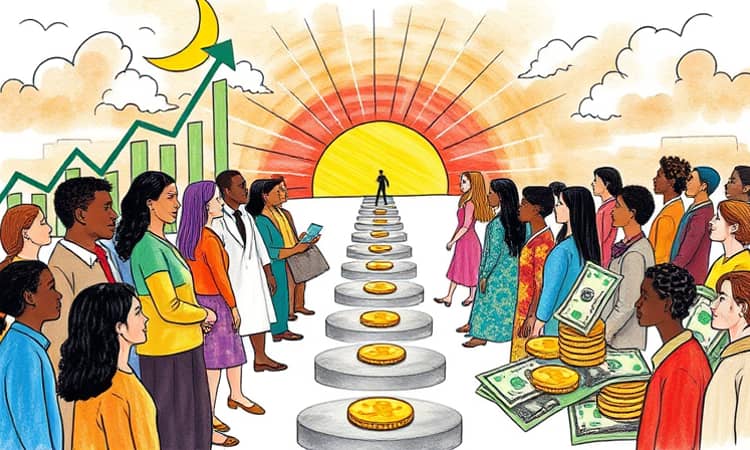
In an era of fluctuating markets, rising costs, and shifting credit conditions, understanding how to borrow wisely has never been more crucial. Debt can be a tool for growth when managed carefully, or a burden that stifles dreams and drains resources. This article outlines a realistic and actionable repayment plan to help you navigate the complexities of borrowing, reduce stress, and lay the foundation for genuine financial freedom.
Whether you are a young professional just starting out, a small business owner seeking stable financing, or a household striving to regain control, these strategies will empower you to make informed choices and build lasting resilience.
Understanding Today’s Debt Landscape
As of mid-2025, the private nonfinancial-sector debt-to-GDP ratio in the United States has fallen to its lowest level in two decades. Despite this overall improvement, certain pockets of risk remain elevated. Subprime credit card balances and leveraged loans are under increased scrutiny amid higher delinquency rates. Meanwhile, small business loan rates hover near peaks last seen in 2008, tightening access for entrepreneurs.
On the household front, mortgage debt comprises roughly 75 percent of total obligations, with housing leverage modest relative to home values. However, consumer debt—particularly credit cards and auto loans—has seen shifts toward higher-risk borrowers. Nearly half of U.S. adults lack basic financial literacy, fueling cycles of debt that can span generations.
Core Principles of Responsible Borrowing
At the heart of prudent borrowing lies a set of guiding principles that foster long-term stability and mutual benefit for borrowers and lenders alike.
- Shared debtor-creditor responsibility and transparency: Lenders must conduct thorough affordability checks, while borrowers should disclose their financial circumstances honestly.
- Maintain a disciplined debt-to-income (DTI) ratio by ensuring monthly debt payments remain a manageable share of income.
- Bridge the financial literacy gap through education—understanding interest rates, amortization, and the implications of variable versus fixed products.
- Adhere to consumer protection guidelines such as those outlined by the Financial Conduct Authority and other regulatory bodies to reduce the risk of unsustainable debt.
Building a Solid Repayment Strategy
Repayment begins with a comprehensive budget and clear objectives. Tracking every dollar of income and expense reveals opportunities to cut costs, allocate more toward debt, and set milestones for progress.
Start by listing fixed expenses—rent, utilities, insurance—and variable costs like groceries, transportation, and entertainment. Compare your total outflows to your income, then carve out a dedicated amount for debt repayment. This exercise not only clarifies your capacity but also highlights discretionary spending that can be repurposed.
Comparing Avalanche and Snowball Methods
Choosing the right repayment method can accelerate progress and maintain motivation. Two popular approaches are often compared:
To implement the avalanche method, list debts in descending order of interest rate, make minimum payments on all accounts, and apply any extra funds to the top-rate balance. The snowball method requires the same structure but focuses on smallest balances first, then rolls those payments forward as each debt is eliminated.
Consolidation, Refinancing, and Negotiation
When interest rates or fees weigh heavily on your finances, consider strategies that combine debts into one lower-rate loan or secure introductory offers. Popular options include:
- Debt consolidation loans—personal or home-equity-based—offer single payments at competitive rates.
- Balance-transfer credit cards with 0% introductory APR periods to attack principal balances quickly.
- Refinancing mortgages or auto loans when market rates drop or credit scores improve, potentially saving thousands.
- Negotiating directly with creditors for lower rates or hardship plans, leveraging your repayment history and loyalty.
Preventing Debt Pitfalls and Building Resilience
True financial stability requires both reduction of liabilities and the cultivation of protective buffers. An build an emergency cash cushion by saving an initial $500 and steadily growing that fund to cover 3–6 months of essential expenses. This reserve prevents taking on new debt when unexpected costs arise.
Resist the temptation of impulsive purchases by sticking to a predefined spending plan. Regularly monitor your DTI and household debt service ratios to catch emerging issues early. Establish clear goals—such as five-year debt-free targets—and celebrate milestones to maintain momentum.
- Automate savings and debt repayments to enforce discipline.
- Avoid high-interest payday or subprime lending that can trap you in cycles of escalating fees.
- Revisit your budget quarterly to adapt to income changes or new obligations.
The Emotional and Social Impact of Debt
Beyond numbers and ratios, debt carries profound emotional weight. Struggling with unpaid balances can lead to stress, strained relationships, and missed opportunities. Conversely, achieving milestones—no matter how small—fosters confidence and a sense of control.
Financial stress is often intergenerational. Teaching young adults about borrowing responsibly, encouraging them to build credit wisely, and exposing them to practical budgeting can break cycles of vulnerability. Small businesses, too, benefit when owners understand leverage limits, maintain healthy interest coverage ratios, and diversify funding sources to avoid sudden liquidity crunches.
Conclusion: Embrace Empowerment Through Wise Borrowing
Debt need not be a source of dread; approached with knowledge, discipline, and integrity, it can fuel progress—in education, homeownership, entrepreneurship, and beyond. By implementing these strategies, you embark on a journey toward embrace financial literacy and empowerment, financial resilience, and long-term stability.
Remember, every payment you make is a step closer to freedom. Start today by reviewing your budget, setting clear goals, and choosing a repayment path that aligns with your values and resources. Your future self will thank you for the wisdom you cultivate now.