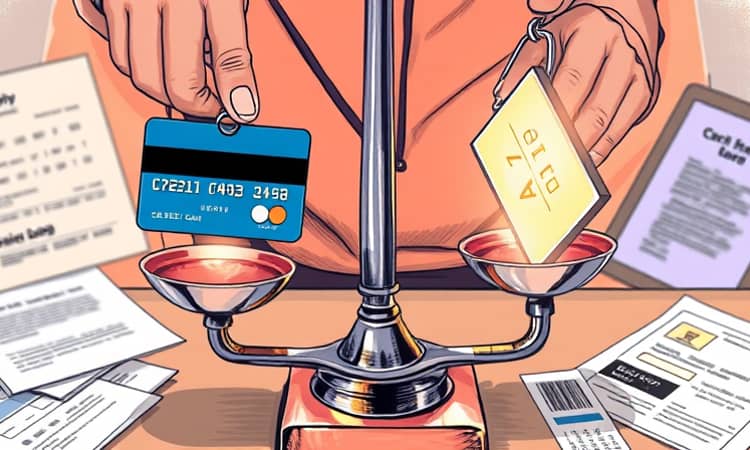
Deciding when to cancel a credit card is more than discarding plastic; it’s about managing your financial reputation.
The average American holds about four cards, each contributing to credit health through utilization, history length, and account diversity. For those with low balances and perfect payment records, closing an extra card may only have a minimal impact. However, if you carry high balances or are considering closing your oldest account, the consequences can be more pronounced. By weighing your personal spending habits, fee structures, and long-term objectives, you can determine the right moment to act.
Pros of Canceling a Credit Card
Before exploring the drawbacks, it’s essential to recognize the benefits that can improve your financial well-being when costs outweigh rewards.
- Avoid high annual fees or poor benefits when they outweigh perks.
- Control overspending and eliminate temptation from high-interest debt.
- Simplify account management, making budgeting more straightforward.
- Upgrade to cards offering better rewards aligned with lifestyle changes.
- Reduce risk of identity theft by closing inactive or compromised accounts.
- Eliminate poor customer service or unexpected rate hikes.
Many people find that shedding an unwanted card allows them to focus on building rewards with a single issuer or program. In life changes—such as graduating from a secured card or exiting a partnership—canceling outdated accounts can reflect your current financial standing. By removing a card with poor terms, you free up mental space to monitor and optimize the remaining accounts.
Cons of Canceling a Credit Card
While cancellation has advantages, it can also harm your credit profile in certain situations.
- Reduced available credit can spike your utilization ratio, raising overall balances owed.
- Closing the oldest card shortens your average length of credit history.
- Fewer account types can weaken your strengthen your overall credit mix.
- Loss of an emergency credit line when unexpected expenses arise.
- Immediate dip in credit score, though often temporary.
On the flip side, removing a high-limit card may leave you with less wiggle room when emergencies arise. A card you seldom use can still boost your score by diluting your utilization rate, a factor that lenders scrutinize closely. Even though the temporary score dip tends to recover in the months following closure, that initial drop could hinder new credit applications if timed poorly.
Credit Score Factors Affected
Your FICO score formula weighs payment history and amounts owed most heavily, but other factors also shift when a card is closed.
Decision Guidelines
Deciding whether to cancel should start with a clear assessment of your unique situation. If you’re paying steep annual costs or struggling with debt, cancellation might be a strategic step. Conversely, if a card represents your oldest line of credit and you maintain low balances, keeping it open often supports better long-term scores. Consider factors such as your current utilization, account age, and future credit needs before making a final call.
How to Cancel Without Major Credit Hit
By following a deliberate process, you can minimize potential score impact when closing an account:
Begin by paying off any outstanding balance or transferring it to a 0% APR offer. Before you dial the issuer, redeem all your hard-earned rewards. When you’re ready, contact customer service to confirm closure and request written confirmation. Afterward, monitor your credit report to ensure the account status updates correctly. Avoid closing your highest-limit or oldest account if possible to protect your history.
Alternatives to Full Cancellation
If you’re hesitant to risk score fluctuations, explore options that preserve positive history and available credit. Consider a product change to no-fee version to maintain your account age and limits while reducing costs. You can also request a lower credit limit to curb spending or keep the card active through small recurring charges, ensuring it remains open without temptation.
Myths and Nuances
Many misconceptions swirl around credit card closures. Closing an unused card may still boost your score if you keep balances low and pay on time. Cards with a short history have a smaller impact when closed. Remember that closed accounts stay on your report for up to ten years, preserving positive payment records even as their influence fades.
Final Thoughts
Closing a credit card is a strategic choice rather than a quick fix. Weigh the impact on your long-term credit health against the immediate benefits of a leaner wallet. Engage lenders for retention offers or fee waivers; they often provide solutions to keep accounts open without costly charges.
Your financial journey is unique. By approaching card cancellations with both data and discipline, you can confidently navigate decisions that keep your credit resilient and your goals within reach.