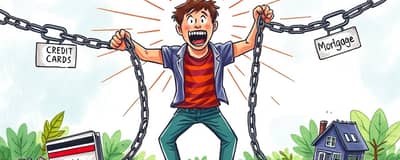
In today’s interconnected economy, debt has become a system-wide norm across governments, corporations, and households. While macroeconomic data show global borrowing at unprecedented levels, individuals need not remain trapped in cycles of interest payments and financial stress. This guide delivers an inspiring, practical roadmap to regain control, build assets, and achieve true personal financial freedom.
Debt as a Global Phenomenon
Total global debt reached nearly USD 346 trillion in 2025, equal to about 310% of world GDP. Governments alone added USD 26.4 trillion in just nine months, fueling public spending on infrastructure and social programs.
Non-financial corporate debt approaches USD 100 trillion, driven by rapid borrowing in AI-linked and clean energy sectors. Both mature and emerging economies are setting new records. Forecasts suggest USD 29 trillion of new borrowing in 2026—17% more than 2024, with sovereign issuances doubling since 2019.
While these figures illustrate borrowing as a government tool, household finances operate on different rules. Recognizing debt as a personal financial freedom barrier is the first step toward liberation.
The Macro-Micro Divide
The United States carries USD 32.9 trillion in national debt, roughly 119% of GDP, while Japan, China, and European nations also exceed 100% of their economic output. Even small countries like Ireland report debt ratios above 500% of GDP. Nations can roll over debt, adjust monetary policy, or issue currency—options unavailable to individuals.
By contrast, households face collections, bankruptcy, and emotional strain when repayments falter. You simply you cannot run your household with unlimited bond issuances and debt rollovers. This gulf underscores why escaping debt demands tailored strategies, not sovereign solutions.
The Personal Toll of Debt
On a personal level, borrowing often leads to a relentless cash-flow drain on day-to-day budgets. Interest payments redirect income away from savings, investments, or an emergency fund, eroding your capacity to seize opportunities.
The weight of unpaid balances breeds anxiety, decision fatigue, and learned helplessness. Relationships strain under unspoken financial worries. Many resort to minimal payments to buy short-term relief, trapping them in a cycle of growing balances.
These emotional costs reflect the unforgiving bonds of debt. Every dollar spent servicing high-interest loans is an opportunity cost—funds that could have built a business, funded education, or created a safety net.
Not All Debt Is Created Equal
Understanding debt categories is essential. Some liabilities hamper progress, while others can be managed strategically.
- High-interest consumer debt: Credit cards, store cards, and unsecured personal loans often charge rates above 15–20%. These are crushing toxic debt burdens and deserve top priority for elimination.
- Lower-interest structured debt: Mortgages, student loans, and auto loans tend to carry single-digit rates and may finance appreciating assets or essential transportation. This strategic debt that builds wealth can fit into a long-term plan.
Blueprint to Unleash Wealth
Every journey to financial freedom begins with a clear, actionable framework. Remember, financial freedom is less about zero debt and more about eliminating unproductive obligations and channeling resources toward growth.
Step 1 – Gain Total Clarity on Your Debt
Before taking action, document every liability. This snapshot becomes your roadmap.
- List all debts: balances, interest rates (APR), minimum payments, and due dates.
- Calculate your total monthly income and fixed expenses.
- Identify cash leaks: subscriptions, discretionary spending, or unnecessary fees.
Think of this as conducting an X-ray on your finances. No detail is too small, and awareness fuels empowerment.
Step 2 – Create a Realistic, Values-Aligned Budget
Budgeting is not about deprivation; it’s about choosing how your money works for you. Allocate funds to essentials, debt reduction, and savings in alignment with your values and goals.
- Traditional budgeting: Separate expenses into fixed (rent, utilities) and variable (food, entertainment) categories with clear spending limits.
- Zero-based budgeting: Every dollar of income is assigned a purpose—essentials, savings, debt—so no funds remain unallocated.
Whether you earn USD 3,000 or USD 10,000 monthly, setting aside even a small portion for savings alongside debt payments builds momentum. Over time, this discipline transforms your relationship with money.
Step 3 – Choose a Debt Repayment Strategy
With clarity and a budget in place, select a method to accelerate debt elimination.
The Debt Avalanche Method targets debts with the highest interest rates first, minimizing total interest paid. Pay minimums on all accounts, then direct extra funds to the top APR. This mathematical approach often yields the fastest overall payoff.
The Debt Snowball Method prioritizes smaller balances, creating quick victories that boost motivation. After clearing the smallest debt, roll its payment into the next, creating a snowball of increasing payment power.
Both strategies require commitment. Choose the one that aligns with your personality: avalanche for efficiency, snowball for psychological momentum.
Conclusion: Taking the First Step to Freedom
Breaking free from debt is both an emotional and strategic journey. By understanding the vast scale of global borrowing, recognizing the unique constraints of personal finance, and applying a clear, disciplined framework, you can transform liabilities into building blocks for future wealth.
Start today with a simple inventory of debts, a budget that reflects your priorities, and a repayment plan you can maintain. Each payment brings you closer to autonomy, optionality, and the confidence to pursue dreams unburdened by financial strain.
Your path to unleashed wealth begins now—take the first step and reclaim your financial destiny.