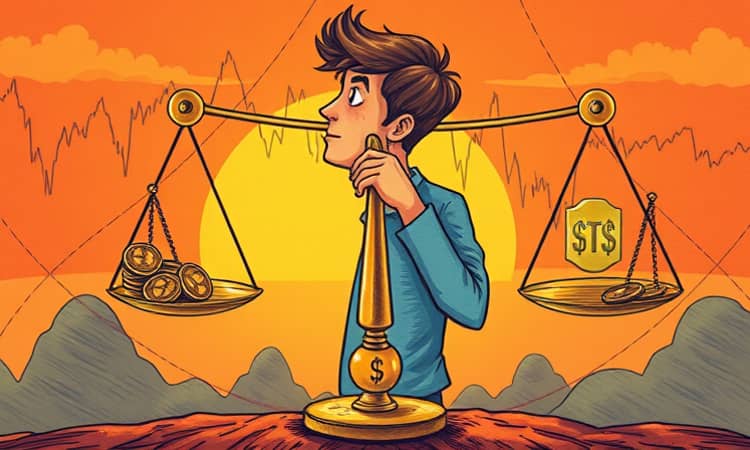
Personal loans are increasingly popular financial instruments that can unlock new possibilities or create lasting burdens. To make this strategic decision wisely, borrowers and lenders alike must understand the macro landscape, assess individual needs, and implement robust risk controls. This in-depth guide offers data-driven insights, practical tools, and expert perspectives to ensure that every loan works safely.
The Macro Context: How Big and Risky Is the Personal-Loan Market?
Unsecured personal-loan balances in the United States have surged to record-breaking levels in recent quarters. By late 2023, balances reached all-time high personal-loan balances of approximately $241–$245 billion. Roughly 23.5 million Americans, or about 7% of the population, held these loans, spread across 28.1 million individual accounts. As balances climbed 10–11% year-over-year for the 11th consecutive quarter, both opportunities and risks have multiplied.
- Average debt per borrower: $11,550–$11,775, up around 6% annually.
- 60+ days past-due delinquency rate: 3.75–3.9%, slightly down from 4.1% a year earlier.
- Fintech lenders now hold nearly 47% of market share, growing three times faster than traditional banks.
Credit quality remains a critical factor. Nearly 48% of borrowers score above 700, while subprime applicants (FICO below 620) represent a smaller but higher-risk segment. Consumers with FICO under 600 make up 20% of applications but only 8% of originations. Investors and lenders are closely watching these trends, targeting lower-risk profiles to manage future delinquency pressures.
Interest-rate dynamics add another layer of complexity. In early 2024, a 24-month personal loan averaged 12.35% APR, while a 36-month loan averaged 11.4%. Rates vary sharply between credit segments: prime borrowers with scores above 720 enjoy rates near 11.3–11.5%, whereas those in the 580–669 range face around 22%, and bad-credit borrowers often pay upwards of 31.5–35%.
Regulatory caps and structural constraints shape pricing. Many states limit personal-loan APRs to 36%, federal credit unions cap rates at 18%, and fixed-rate loans dominate the market at 98% of originations. Fees, penalties, and fraud risks—identity-theft attempts rose 22% in 2023—underscore the need for vigilance.
Household vulnerability compounds risks. Over half of Americans report insufficient emergency savings buffer, making unexpected expenses a gateway to higher delinquencies. Without adequate reserves, a single shock—job loss or medical emergency—can cascade into missed payments and credit damage.
Strategic Framing: When Does Taking a Loan Make Sense?
Loans are tools, not solutions. Making them work safely requires aligning purpose, capacity, and risk. Borrowers should ask strategic questions before signing on the dotted line to ensure they wield credit responsibly.
- Purpose: Is this for a one-time essential need or ongoing lifestyle spending?
- Affordability: How will this affect my debt-to-income ratio including housing and savings buffer?
- Alternatives: Can I delay the expense or tap cheaper forms of credit like promotional offers or home equity lines?
- Structure: What is the APR, term, and total interest cost? Are fees or prepayment penalties involved?
- Credit Impact: Will timely payments build my history, or will missed payments harm my score?
Potentially positive uses of personal loans include debt consolidation into a single fixed-rate instrument, where rolling multiple high-interest balances can simplify payments and reduce interest costs when executed correctly. Major essential expenses—such as urgent medical bills, critical car repairs, or home improvements—can be financed without depleting emergency savings, preserving financial flexibility.
Educational or skill-upgrade financing may yield returns that exceed borrowing costs, and small business start-up or expansion loans can fuel growth when projected cash flows cover payments. In each case, the decision hinges on realistic projections and disciplined repayment planning.
Conversely, borrowing for vacations, luxury purchases, or ongoing lifestyle inflation often leads to deeper financial strain. Repeated debt consolidation without behavior change can escalate total debt, transforming a useful tool into a risky cycle.
Micro Level: How Individual Borrowers Make Loans Work Safely
Once the decision to borrow aligns with strategic goals, borrowers must integrate new debt seamlessly into their financial framework. A robust playbook includes rigorous budgeting, smart repayment strategies, and active risk management.
- Create a simple budget with trackable categories that records all income and spending, highlighting discretionary cuts like dining out or streaming subscriptions.
- Treat loan payments as non-negotiable monthly obligations, similar to rent or utilities.
- Maintain or build an emergency fund—aim for at least three months of essential expenses to cushion shocks and avoid reliance on new debt.
- Leverage tools you will actually use—envelopes, spreadsheets, or mobile apps; consistency matters more than sophistication.
Repayment strategies can maximize efficiency and reduce costs. Biweekly payments instead of monthly can shave months off the term and lower total interest. Automated withdrawals ensure punctuality and protect your credit history. Additional principal prepayments, even small ones, accelerate amortization and minimize interest expenses when no prepayment penalties apply.
For example, imagine Jane, who consolidated $8,000 in credit-card debt at 20% APR into a 36-month personal loan at 11.4%. By automating biweekly payments and adding occasional $50 principal prepayments, she reduced her payoff timeline by six months and saved over $600 in interest.
Periodic reviews of your budget and outstanding debt help you adapt to life changes—income shifts, new expenses, or evolving market rates. Celebrating milestones, such as reaching 50% payoff, reinforces positive behavior and maintains motivation.
Aligning Lender Practices and Systemic Safeguards
Lenders and the broader financial system share responsibility for safeguarding stability and consumer welfare. Rigorous underwriting standards—minimum credit scores near 660, debt-to-income ratios under 40%, and thorough income verification—help prevent overextension and defaults.
Risk-based pricing aligns rates with borrower profiles, while regulatory APR caps—36% in many states and 18% at federal credit unions—anchor consumer protections. Technological advances, including AI-driven credit assessments and fraud detection algorithms, enhance accuracy and efficiency, yet transparency remains essential. Clear disclosure of terms, fees, and penalties equips consumers to compare offers effectively.
Coordinated efforts among regulators, lenders, and consumer advocates can monitor delinquency trends, which hovered just under 4% for 60+ days past due in late 2023. Stress-testing loan portfolios and refining underwriting algorithms mitigate systemic risk, while financial education initiatives empower borrowers to make informed choices.
Conclusion: Embracing Loans as Strategic Assets
In a world of dynamic interest rates, evolving credit landscapes, and diverse borrower profiles, loans are neither inherently good nor bad. They are powerful tools that, when used judiciously, can unlock opportunities, smooth financial challenges, and accelerate personal and business goals. By combining data-driven analysis, strategic framing, disciplined budgeting, and systemic safeguards, both borrowers and lenders can ensure that personal loans work safely and effectively.
Every borrowing decision starts with clear purpose, thorough planning, and ongoing review. Adopt a mindset of continuous improvement, track progress diligently, and seek expert guidance when needed. With the right approach, a well-structured personal loan becomes more than a debt obligation—it becomes a catalyst for financial resilience and sustainable growth.