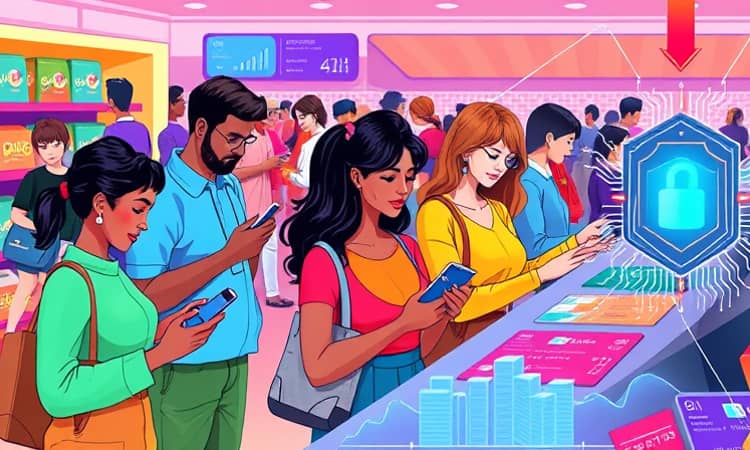
Credit cards are no longer just a plastic convenience—they are the lifeblood of ecommerce, powering transactions, driving innovation, and reshaping consumer habits. In the United States alone, accounts soared from 424.35 million in 2015 to 631.39 million in 2025, illustrating an unwavering trust in credit-powered purchases.
As digital commerce accelerated after 2020, credit cards captured a 35% payment share in 2024, nearly doubling their stake since 2016. This article delves into the remarkable journey of credit cards in online shopping, their security guardrails, consumer trends, and the exciting road ahead.
Historical Growth and Adoption
The rise of credit cards reflects broader shifts in technology and consumer expectations. From early magnetic stripes to sophisticated digital wallets, cards have evolved into powerful tools for seamless payments.
Between 2015 and 2025, total accounts climbed by nearly 50%, underscoring how households and businesses embraced revolving credit for daily expenses, travel, and online purchases.
Ecommerce Impact and Consumer Behavior
The pandemic pivoted millions toward online shopping, and credit cards emerged as the premier payment method. With a 35% share in 2024, they outpaced debit cards, cash, and mobile transfers, thanks to enhanced protections and loyalty incentives.
Buy now, pay later (BNPL) services, often funded by credit lines, topped $133 billion in 2024 and are expected to reach $206 billion by 2029. This trend underscores how shoppers crave flexible options without sacrificing speed or security.
Digital wallets and contactless features further streamlined checkouts. Apple Pay boasted nearly 240 million users, while Google Pay and other token-based services encrypted card details with one-time virtual account numbers, minimizing data exposure.
Online retailers harness credit data to tailor experiences—from personalized offers that boost conversion rates to enhanced consumer spending insights that inform marketing strategies. As 34% of US online shoppers make weekly purchases, understanding behavior is key.
Security: Protection and Best Practices
Credit cards shine in security. Federal law limits liability to $50 if a card is reported lost or stolen within 60 days, compared with unlimited risk on some debit accounts. Tokenization, encryption, and multi-factor authentication lock down transactions.
Leading networks deploy advanced tools: Visa’s Advanced Authorization uses real-time transaction monitoring systems, Mastercard embeds unique cryptographic transaction codes in every EMV chip purchase, and Discover’s ProtectBuy filters risks with dynamic authentication challenges.
- Use private devices and secure connections
- Enable passwords and two-factor authentication
- Set up real-time transaction alerts
- Regularly update software and apps
- Review monthly statements for unauthorized charges
Balancing Benefits and Risks
Credit cards deliver clear advantages: convenience, rewards, and robust consumer safeguards that make them ideal for online purchases. However, misuse can lead to mounting debt—US store credit balances surpassed $63 billion in 2024.
- Pros: Convenience across devices, generous rewards programs, zero-liability federal fraud protection, seamless BNPL integration
- Cons: Potential for overspending, interest charges on revolving balances, vulnerability on public Wi-Fi
Looking Ahead: Future Trends
The trajectory of credit cards points toward deeper integration with AI, blockchain, and biometric authentication. Virtual cards issued on demand will enhance security, while predictive analytics will offer real-time budgeting advice at checkout.
Contactless payments and digital wallets will continue to erode cash usage, with younger consumers driving adoption. By 2029, BNPL’s share of ecommerce is projected to surpass 10%, reflecting a demand for customized payment journeys.
Merchants will leverage tokenization and advanced AI risk analysis engines to pre-validate transactions, reduce friction, and elevate trust. This fusion of technology and finance promises a new era of personalized checkout experience that is both secure and intuitive.
Ultimately, credit cards are more than a payment method—they are catalysts for innovation that empower consumers and businesses alike. By embracing best practices and harnessing emerging technologies, we can navigate the digital marketplace with confidence and unlock the full potential of online commerce.