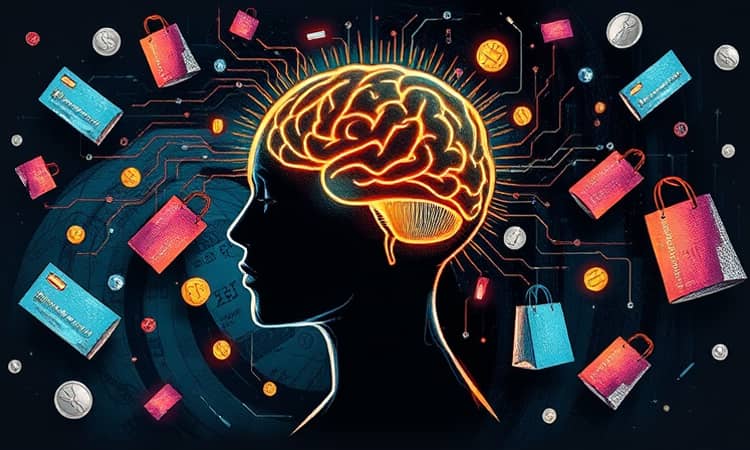
Credit cards have become ubiquitous in our daily lives, offering convenience and rewards with every swipe. Yet beneath the surface of their sleek plastic lies a complex web of psychological triggers that can drive us to spend far beyond our means. By understanding these hidden mechanisms, we can reclaim control over our finances and make more mindful choices.
In this article, we explore the core neural processes, behavioral biases, emotional triggers, and concrete strategies that shape our credit card habits. We’ll reveal how banks and issuers tap into our brain’s reward circuitry—and how you can resist the pull of impulsive purchases.
Core Neurological Mechanisms Driving Overspending
When you swipe a credit card, your brain doesn’t just process a transaction—it lights up its pleasure center. Neuroimaging studies show that credit card use triggers dopaminergic reward center activation in the striatum, the same circuit involved when we anticipate a delicious meal or a winning gamble. This surge of dopamine creates an anticipated pleasurable reward loops that makes spending feel inherently gratifying.
At the same time, credit cards introduce what psychologists call payment decoupling: the separation between the joy of acquisition and the pain of paying. By decoupling spending from immediate cost, cards mute the emotional sting we feel when parting with physical cash. That delayed pain paves the way for a buy now, pay later mentality—we focus on the instant delight of new purchases and postpone the discomfort of bill payment.
Over time, repeated exposure to this cycle conditions users through repeated swiping-pleasure reinforcement loops. Each swipe becomes a mini reward, reinforcing the behavior and encouraging more frequent—and higher—spending.
Behavioral Effects and Cognitive Biases
Beyond neural responses, credit cards reshape our decision-making. By minimizing the emotional cost of spending, they weaken our natural caution and loss aversion. When paying with cash, we tend to choose safe, middle-of-the-road options to avoid regret. With cards, that compromise effect fades, pushing us toward the extremes of luxury splurges or bargain hunting—even if we can’t truly afford them.
- Impulse buying enabled by cards: Instant gratification surges as we add items to our digital cart with a single click, often late at night when self-control is low.
- Reduced compromise effect: Cards blunt the sense of loss, leading to riskier or more extravagant choices than we would make with cash.
- Simplified digital payments: Storing card data removes even the minor friction of manual entry, further lowering our guard.
Emotional and Motivational Triggers
Our emotions play a critical role in spending habits. Credit cards often serve as emotional crutches, offering a quick escape from stress, boredom, or sadness. That fleeting high can create a vicious cycle of temporary relief followed by guilt—what researchers call a debt “hangover.”
- Stress relief and anxiety coping: Swiping offers a momentary mood boost but deepens financial strain later.
- Rewards gamification and FOMO: Points, cash back, and tiered status levels turn purchases into a game with elusive wins.
- Status and belonging: Premium cards and exclusive benefits signal prestige, intensifying the urge to maintain appearances.
When we chase these emotional highs, we often overlook the accumulating interest and hidden fees. The thrill of unlocking rewards can justify annual fees and debt, even when the cost far outweighs the benefit.
Spending Trends and Statistical Insights
Decades of research confirm that plastic spending leads to higher bills. Studies show cardholders spend up to 20% more than cash payers, tipping over 4% extra when a card logo is visible. As household debt climbs, consumers report greater anxiety, particularly those who rely on cards for everyday purchases.
Functional MRI scans reveal that each transaction with a card amplifies reward anticipation at the moment of purchase. Over time, this creates a habit loop: swipe, reward, repeat—each cycle deepening our attachment to easy credit.
Practical Strategies for Responsible Spending
Credit cards aren’t inherently bad—they offer security, convenience, and genuine perks when used wisely. The key is awareness. By recognizing the psychological triggers at play, you can implement simple habits to curb overspending and protect your financial health.
- Use cash for major purchases: Feeling the actual money leave your wallet restores the pain of payment.
- Track expenses daily: A quick review each evening keeps habits in check.
- Set realistic budgets: Allocate spending categories and stick to them.
- Limit stored card information: Require manual entry to add friction to impulse buys.
- Reward yourself within limits: Enjoy small treats but avoid emotional splurges.
Additionally, consider paying your balance in full every month to sidestep interest charges. If you carry a balance, aim to pay more than the minimum to reduce the debt cycle and break the reinforcement of habitual swiping.
Conclusion
The psychology of credit card spending is a powerful blend of neural rewards, cognitive biases, and emotional influences. Issuers design products that tap directly into our brain’s wiring, creating convenience at the cost of heightened risk. By shedding light on these hidden forces, you gain the insight needed to make empowered financial decisions.
Armed with practical strategies—ranging from cash-only purchases to mindful budgeting—you can enjoy the benefits of credit cards without falling prey to their pitfalls. Embrace awareness, set clear boundaries, and let reason guide your spending, ensuring that every swipe supports your long-term goals rather than derailing them.