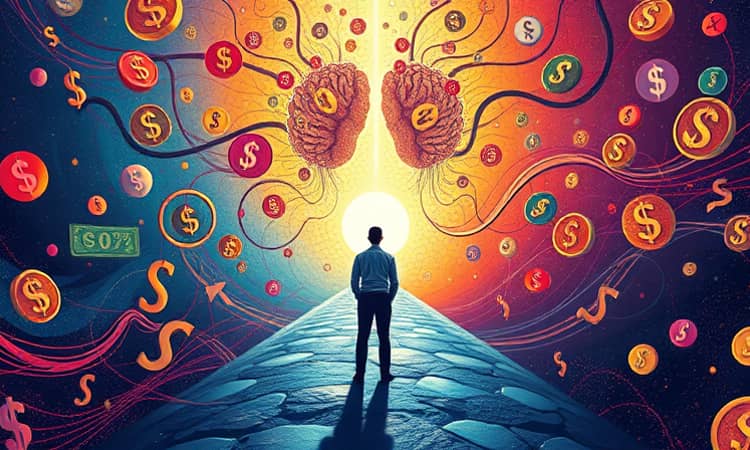
Debt is more than numbers on a balance sheet; it embodies emotions, beliefs, and deeply rooted habits. Understanding the psychological forces at play can empower you to break free from cycles of overspending, stress, and regret.
Emotional Drivers and Triggers of Debt
At the heart of many financial struggles lies instant gratification and impulsivity. The brain’s reward centers drive purchases that offer immediate pleasure, often overshadowing long-term consequences.
Fear of missing out and the urge to match peers’ lifestyles propel overspending. Whether it’s the latest gadget or an upscale social event, the pressure to keep up can lead to mounting balances.
- Emotional spending as coping: Shopping to relieve stress or loneliness triggers a cycle of guilt and regret.
- Childhood trauma and dysregulation can manifest in impulsive purchases as a way to soothe unresolved emotions.
Recognizing these triggers is the first step toward regaining control over your finances and emotions.
Impact of Debt on Mental Health and Well-Being
Debt’s toll extends beyond wallets. Studies show that debt-related anxiety and depression can erode self-esteem and increase social isolation. The American Psychological Association reported that 60% of adults view money as a major stressor.
Ongoing financial strain undermines mastery and coping capacity, making even small problems feel insurmountable. Scarcity triggers in the brain alter goal-directed decision-making, reinforcing avoidance behaviors and amplifying fear.
Money Mindsets and Beliefs
Your relationship with money is shaped by a tapestry of beliefs—some formed in childhood, others shaped by culture and experience. These money scripts operate subconsciously, influencing every spending decision.
By identifying your dominant mindset, you can question its origin and reframe unhelpful beliefs into constructive ones.
Personality Traits and Cognitive Biases Linked to Debt
Debt addiction often mirrors other addictions, driven by impulsivity and reward-seeking. Key traits and biases include:
- Impulsivity and present bias: Prioritizing immediate pleasure over future security.
- Neuroticism: Spending to cope with anxiety increases the debt cycle.
- Willful ignorance: Avoiding balance checks deepens financial stress.
- Lifestyle inflation: Maintaining upscale habits as income rises, often through additional borrowing.
Understanding these patterns helps you recognize when emotions or distorted thinking drive your financial choices.
Strategies for Mastering Your Money Mindset
Transforming your relationship with money requires patience, self-awareness, and deliberate practice. Begin by identifying your triggers—ask yourself, “Where did this belief originate? Does it still serve me?” Journaling thoughts and emotions around spending can uncover powerful insights.
Building financial literacy and confidence reduces anxiety. Learning about interest rates, budgeting tools, and investment basics equips you with a sense of control.
Mindfulness and cognitive restructuring techniques allow you to intercept negative self-talk and replace it with affirmations like, “I am making progress every day.” Over time, these new thought patterns rewire your response to scarcity triggers.
Shift from reactive spending to goal-aligned choices by setting clear objectives. Visualize milestones—debt freedom, emergency funds, investments—and break them into manageable steps.
Professional support can be invaluable. Credit counseling, financial coaching, or therapy address both the practical and emotional aspects of money management.
Finally, cultivate healthy financial habits:
- Create a realistic budget and review it weekly.
- Automate savings and debt repayments to avoid decision fatigue.
- Celebrate small victories to reinforce positive behavior.
By combining awareness, education, and consistent action, you can break free from debt cycles and embrace a mindset of abundance.
Your journey toward financial freedom is a transformative process that reshapes not only your bank balance but your sense of self. As you challenge old scripts and build new habits, you reclaim agency over your future, unlocking opportunities for growth, security, and genuine well-being.