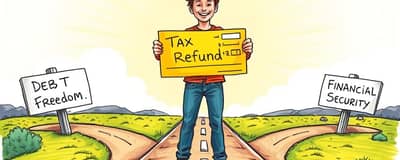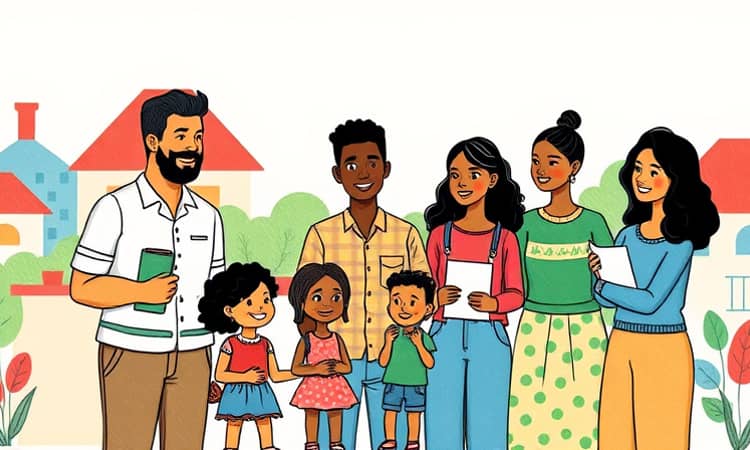
At a time when economic uncertainty touches millions of households, a new wave of pilot programs is lighting a path toward financial stability and freedom. Known collectively as Prosperity Pilots, these initiatives combine cash assistance with coaching and community support to help families transition off public assistance and build a stronger foundation.
From Boston to Saint Paul, and from Philadelphia to the Bay Area, these pilots share a common goal: to address the “benefits cliff” that traps low-income workers between welfare and a living wage. By offering direct cash bridge payments during critical transition periods, participants can focus on long-term planning without the paralyzing stress of monthly shortfalls.
Understanding the Prosperity Pilots
The concept of a guaranteed income is not new, but recent pilots have refined their approach to include more than just deposits in bank accounts. Programs like Massachusetts’ Bridge to Prosperity and Saint Paul’s People’s Prosperity Pilot marry cash payments with financial coaching and wraparound services, ensuring that dollars are matched with guidance and resources.
In Springfield, Worcester, and Boston, the Bridge to Prosperity program offers monthly payments of $300, $500, or $700 depending on income changes, culminating in a $10,000 savings bonus after two years. Meanwhile, in Minnesota, 150 families received $500 per month, with children benefitting from college savings deposits to foster educational dreams.
In Philadelphia, Xiente’s pilot focuses on Latine women-led families in Norris Square, pairing checks with bilingual case management and support. And in the Bay Area, SparkPoint centers in Oakland, Fremont, and Chabot College open enrollment to all residents over 18, regardless of income or citizenship, fostering inclusive opportunities.
Navigating the Benefits Cliff
The benefits cliff arises when a small increase in income leads to a net loss of support, leaving families financially worse off. This unfair threshold punishes upward mobility and discourages workers from taking higher-paying jobs that barely cover living expenses.
Prosperity Pilots tackle this issue head-on by offering transitional financial support during income increases. Participants never see benefits dip suddenly—cash bridges fill gaps so problems become progress rather than pitfalls.
- direct cash bridge payments smooth out fluctuations
- career pathway support for participants reinforces lasting change
- increased hope and sense of mattering fuels motivation
Building Financial Resilience: Success Stories
For many participants, the extra income meant more than just bills paid. One mother in Springfield used her funds to clear medical debt, saying that she finally felt like her family could breathe. Another resident in Saint Paul invested in a computer for remote work, opening doors to more stable employment.
Families in Philadelphia reported reduced stress and a newfound sense of security when juggling rent and childcare. In the Bay Area, recipients described improved sleep and relationships after bridging gaps in their budgets, demonstrating how financial wellness ripples through every facet of life.
The Power of Wraparound Services
Guaranteed income works best when paired with personalized guidance. Across programs, participants have access to job training, credit-building workshops, and individualized support roles known as Economic Mobility Concierges. These professionals help families create budgets, repair credit scores, and navigate housing challenges.
In Philadelphia, concierges connect families with the Philly Builds Credit program, while in Massachusetts, workforce agencies partner with employers to map career pathways and retention supports. Over 70% of participants in several pilots engaged in at least one coaching session per quarter, translating to enhanced capacity for long-term financial planning that persisted beyond the cash transfers.
Well-Being Beyond the Balance Sheet
Financial distress often manifests as anxiety, depression, and social isolation. Prosperity Pilot evaluations consistently report significant reductions in stress and mental distress. In Saint Paul, participants noted that monthly deposits gave them the freedom to reconnect with friends and invest in community activities, strengthening social bonds and support networks.
Several studies found that while some metrics dipped six months after cash stops, the improved sense of self and hope remained resilient. The ripple effects extend to children, who benefit from a calmer home environment and greater educational stability when parents are less consumed by financial worry.
Practical Steps to Steer Clear of Debt
Inspired by the lessons of these pilots, individuals can adopt simple actions to build financial momentum. Even without guaranteed income, you can create a personal prosperity pilot within your own community and household.
- Create a realistic budget and track expenses daily
- Build an emergency fund with small, regular deposits
- Seek affordable financial counseling locally or online
- Prioritize high-interest debt for early payoff
In addition, consider joining local support networks or community credit-building programs. Many cities offer free or sliding-scale financial coaching. The key is to pair cash flow management with knowledgeable guidance, ensuring that every dollar you receive works harder for long-term stability.
Policy Implications and Next Steps
These pilots are generating rigorous evidence that can inform federal and state policy. Researchers measure outcomes across employment, income volatility, debt levels, and mental health, creating a data-driven case for expanding guaranteed income models. Cities like Austin, Seattle, and Columbus are monitoring these successes to design their own pilots, exploring long-term funding avenues through municipal budgets, social impact bonds, and community philanthropy.
Ultimately, aligning public and private investment around proven models can catalyze systemic change. By reframing the safety net as a tool for upward mobility rather than a temporary handout, policymakers can reduce poverty rates, increase workforce participation, and build community resilience in the face of economic shocks.
True prosperity extends beyond a single check or coaching session. It arises from restoring autonomy and dignity to individuals and families, offering them the tools to chart their own course. When communities invest in people’s potential rather than penalizing progress, they unlock a brighter, shared future.
The journey to financial freedom may seem daunting, but the promise of Prosperity Pilots shows that with the right support, hurdles can become milestones. You can start today by applying small, consistent practices, advocating for local programs, or simply sharing knowledge with neighbors. Together, we can pilot our way out of debt and into a sustainable life of possibility.