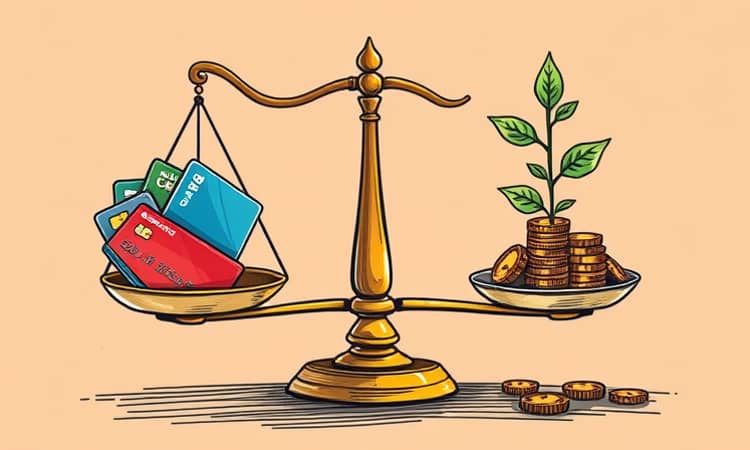
Credit cards often stand at the center of modern personal finance debates. On one hand, they offer convenience, protection, and rewards. On the other, rising balances and high interest rates can trap consumers in mounting debt. By understanding both sides of the equation, anyone can wield plastic as a tool for progress rather than a source of stress.
In this article, we explore the surprising paradox of credit card use, dissect three core benefits of responsible habits, and share actionable guidance to harness lasting financial advantages.
The Paradox of Credit Cards
Americans now hold a staggering $1.277 trillion in total credit card debt, the highest level since tracking began in 1999. That figure reflects a 66% increase since Q1 2021 and sits $350 billion above the pre-pandemic record. Yet, despite record balances, credit cards remain one of the most powerful engines for convenience and wealth building.
How can an instrument so entwined with debt generate meaningful gains? The answer lies in disciplined habits and an understanding of fundamental financial mechanics. Rather than demonize credit cards, we must learn to respect their potential and manage their risks.
Benefit #1: Building Strong Credit History
One of the most tangible outcomes of build a strong credit history is easier access to loans, mortgages, and favorable interest rates on future borrowing. A robust credit profile lowers costs over a lifetime, saving thousands of dollars on major purchases.
- Pay balances in full each month to demonstrate reliability.
- Keep credit utilization under 30% of available limits.
- Avoid closing longstanding accounts in good standing.
By following these simple steps, credit cardholders can elevate scores and unlock financial products that better suit long-term goals.
Benefit #2: Built-In Purchase Protection
Unlike debit transactions, many cards include purchase protection and dispute options that shield consumers from defective goods, fraudulent charges, or unauthorized use. This layer of security reduces stress in everyday spending and online shopping.
To maximize protection, register major purchases with your issuer, keep records of receipts, and promptly report any discrepancies. These precautions can save both time and money when resolving disputes or filing claims.
Benefit #3: Earning Financial Rewards
Reward cards now account for more than 90% of general-purpose credit card spending. Whether you prefer cash back, travel points, or statement credits, the right card can deliver substantial value on routine expenses.
- Match cards to spending habits: groceries, fuel, travel, and dining.
- Use your card for everyday bills and pay off the balance in full.
- Monitor bonus categories and enroll in rotating offers.
Since 2019, 60% of new card applications have been for rewards-focused products. When combined with full-balance payments, these perks transform routine purchases into ongoing benefits.
Economic Pressures and the Cost of Debt
High inflation and rising interest rates have stretched household budgets, driving a 18% uptick in credit card use for daily expenses among middle-income earners. The average APR now sits at 22.8%, meaning unpaid balances can escalate rapidly.
Moreover, 61% of cardholders with debt have carried balances for at least a year; 31% for three years or more. This extended duration highlights the importance of preventing recurring interest charges by paying in full whenever possible.
Key Statistics at a Glance
Transforming Habits: Practical Steps for Responsibility
The core principle is simple: never carry a balance. By paying in full each billing cycle, you sidestep costly interest and preserve all benefits. Achieving this outcome may require a few tactical adjustments:
- Create a budget that earmarks card payments alongside essential expenses.
- Set up automatic payments for minimum due plus extra to reduce temptation.
- Reserve credit cards for planned expenses instead of impulsive buys.
Adopting these routines turns credit cards into transparent tools for managing cash flow, rather than hidden traps.
State-by-State Realities: Why Location Matters
Geographic variation in debt underscores diverse economic conditions across the U.S. Connecticut tops the list with $9,778 average card debt, while Mississippi lags at $4,887. Washington state experienced the fastest growth—11.8% year-over-year—highlighting how regional factors like cost of living and wage levels influence borrowing.
Understanding your state’s trends can inform smarter card usage and debt management strategies tailored to local realities.
Overcoming Psychological Triggers
Psychological studies reveal consumers spend up to 12% more with plastic than cash. The frictionless swipe can desensitize us to actual costs. To combat overspending, consider these tactics:
- Visualize each purchase as real money leaving your bank account.
- Limit the number of active cards to reduce temptation.
- Periodic “no-spend” challenges to reset habits and priorities.
Conclusion: Turning Credit Cards into Tools for Growth
Credit cards are neither inherently good nor bad. Their impact depends on how we choose to wield them. With discipline, knowledge, and a clear plan, any consumer can transform plastic into a lever for financial advancement.
By focusing on responsible credit card use, carrying zero balances, and leveraging built-in protections and rewards, you can navigate economic pressures with confidence. The power to shape your financial future lies not in avoiding credit, but in mastering its use.
Embrace these principles, and watch credit cards become reliable partners on your journey toward lasting prosperity.