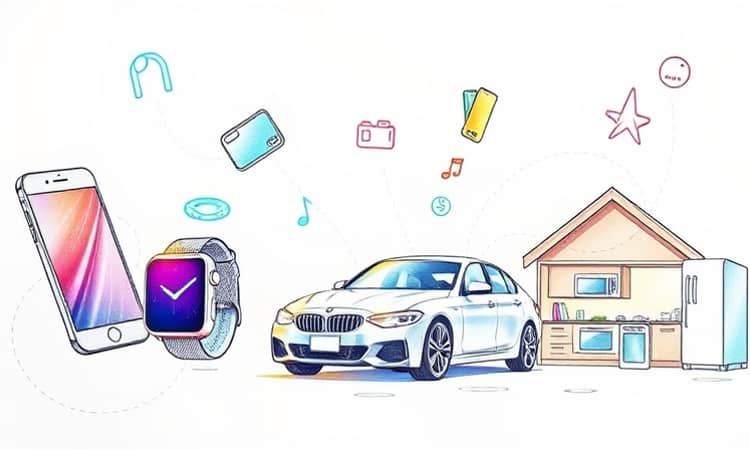
Payments are on the cusp of a radical transformation. What once required a conscious interaction—pulling out a card, tapping a phone, entering a PIN—will dissolve into the digital fabric of our lives. The act of paying will become nearly imperceptible, woven into every screen, device, and experience.
As consumers, we will no longer navigate to a checkout or confirm a transaction. Instead, value exchanges will unfold seamlessly, powered by sophisticated infrastructure, smart devices, and artificial intelligence. The next wave of payments moves from a visible task to an automated symphony playing in the background of our connected world.
The Evolution from Visible to Invisible
For centuries, commerce was synonymous with cash changing hands. The 20th century ushered in magnetic stripe and chip cards, requiring physical insertion or swiping. Mobile wallets and contactless taps accelerated the process, reducing friction at the point of sale.
Now, we stand at the threshold of embedded finance: the moment when paying is no longer a discrete step. Instead of seeking out a checkout screen or terminal, the checkout will find you—within apps, vehicles, appliances, and immersive environments. Soon, there will be no checkout at all.
Building Blocks: From Contactless to IoT
The foundation for invisible payments lies in mature, widespread technologies that normalize frictionless interactions. Contactless terminals, tokenized mobile wallets, and low-barrier tap-on-phone solutions form the on-ramp to a truly hands-free future.
- Contactless (NFC and MST) enabling quick, secure taps without PIN entry.
- Tap-on-phone turning smartphones and tablets into full payment terminals.
- Digital wallets storing tokenized credentials for instant verification.
- Bluetooth Low Energy and QR codes creating ambient triggers for automatic checkout.
These innovations cultivate payment becomes a background process, paving the way for deeper integration across every environment and interface.
Why Invisible Payments Matter
Three converging forces are driving the shift beyond traditional checkout experiences:
- Embeddable payments infrastructure widely available through developer-friendly APIs and PayFac models.
- Recognition of payments as a revenue and engagement hub rather than just a processing cost.
- Advanced automation and AI agents orchestrating payment flows for optimized routing and execution.
Coupled with soaring consumer expectations for speed and convenience, these developments accelerate the rollout of embedded solutions across retail, mobility, healthcare, and beyond.
Real-World Manifestations
Invisible and integrated payments are already emerging in pioneering use cases, hinting at a future where transactions proceed without user intervention.
These examples demonstrate how embedded into everyday digital experiences will redefine the act of paying in cars, homes, and virtual realms.
The Strategic Imperative for Businesses
In the coming years, payment functionality will shift from a bolt-on utility to a core strategic asset. Businesses that ignore this trend risk falling behind competitors who embed and optimize transactions within their products.
By 2026, industry leaders will treat payments as a strategic data asset, analyzing transaction metadata to personalize offers, detect churn, and refine user journeys. Programmable payment layers will dynamically choose the best network, fee structure, and authentication method in real time.
Integrating frictionless pay into the customer journey not only reduces abandonment but also opens new avenues for loyalty and revenue, transforming each transaction into a meaningful engagement point.
The Future: AI, Personalization, and Agency
The intelligence layer atop integrated payments will usher in truly autonomous commerce. AI models will continuously monitor transaction signals for fraud, adapt risk parameters on the fly, and automate retries and routing for optimal outcomes.
Simultaneously, identity-linked data and behavioral analytics will enable faster, smarter, and more personalized journeys. AI-driven assistants will learn purchase patterns, curate products, and execute payments seamlessly. In this agentic commerce paradigm, consumers delegate routine orders—groceries, subscriptions, service renewals—to trusted digital agents, making payment imperceptible.
As technologies like edge computing and 5G proliferate, real-time orchestration across devices and channels will become the norm, eliminating latency and making every interaction feel natural.
Embracing the Invisible Future
The era of visible checkout is giving way to an ecosystem where payments are hidden by design. For consumers, this means no more interruptions—shopping, traveling, and interacting will flow uninterrupted.
For enterprises, the mandate is clear: build payment experiences that are invisible yet intensely powerful. By embedding payment deeply, leveraging transaction intelligence, and employing AI to automate decisions, businesses will deliver seamless, frictionless, and invisible transactions that delight customers and drive growth.
As we step into this new wave, every device, platform, and environment becomes a canvas for innovation. The future of payments is not a single moment but an ongoing evolution—one where the best experiences are those you never notice but always appreciate.