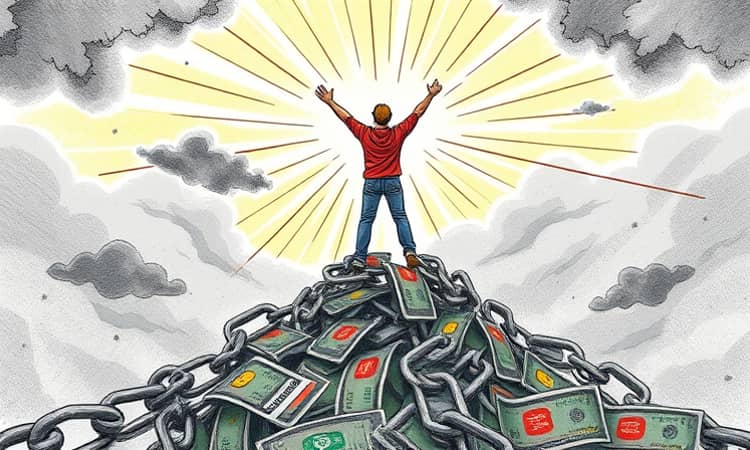
Credit card debt is more than just numbers on a statement; it shapes the trajectory of our financial lives and personal well-being. As outstanding balances climb toward record highs, understanding the deep consequences of carrying revolving debt has never been more urgent.
In this article, we explore the latest data, uncover the drivers behind rising obligations, and outline proven methods to break free from the cycle of ever-growing interest. We’ll also offer actionable tips to reclaim control and build a resilient financial future.
Understanding the Debt Landscape
By mid-2025, total U.S. credit card debt soared to $1.21 trillion, up 6.14% year-over-year. In early 2026, balances reached $1.23 trillion, adding over $460 billion since the 2021 low of $770 billion.
More than 81% of U.S. adults hold at least one card, and nearly half of them carry a balance month to month. For many, minimum payments barely cover interest, leading to a debt spiral that compounds with each billing cycle.
Interest rates have climbed alongside balances. From an average APR of 14.65% in 2021 to over 24% by January 2025, it now costs roughly $1,200 a year in interest to carry a $5,000 balance. High rates make payoff feel impossible and stretch repayment timelines into the years—or even decades.
Key Drivers of Rising and Persistent Debt
Why has credit card debt become such a persistent burden? Several factors have converged:
- Wage stagnation amid inflation: As prices for essentials rise, many turn to cards to fill the gap.
- Economic shocks and medical bills: Unexpected expenses push consumers to borrow, creating longer repayment horizons.
- Behavioral inertia: Revolving users maintain high utilization, seeing cards as a buffer rather than a tool.
- Youth borrowing habits: Younger generations lack emergency savings and lean on cards for daily costs.
Long-Term Financial Consequences
Maintaining a credit card balance carries risks that extend far beyond the monthly statement. Consider these lasting effects:
Each of these impacts can cost tens of thousands of dollars over a lifetime. Worse still, the cycle often lasts for years: 61% of debtors carry balances longer than a year, and one in five has carried debt for over five years.
Health and Psychological Toll
Beyond the numbers, credit card debt takes a profound emotional and physical toll. Research links persistent financial stress to anxiety, depression, and even chronic health issues. Many delay medical care due to costs, worsening both health outcomes and financial strain.
The weight of monthly payments and mounting interest can erode self-confidence, strain relationships, and reduce productivity at work. Breaking this cycle is not just about money—it’s about reclaiming your peace of mind.
Strategies to Regain Financial Freedom
Escaping the clutches of credit card debt requires focus, discipline, and the right approach. Here are practical steps to get started:
- Create an emergency fund: Even $500 set aside reduces reliance on cards when unexpected costs arise.
- Prioritize high-interest balances: Use the avalanche method to tackle the most costly debt first and minimize interest paid.
- Automate payments: Schedule more than the minimum to ensure regular progress and avoid late fees.
- Consider balance transfers: A 0% introductory offer can provide breathing room, but plan to pay off before rates spike.
- Boost income: Side gigs or selling unused items can accelerate debt reduction and build savings.
Tracking every dollar and celebrating small wins—like paying off a card—builds momentum. Surround yourself with supportive peers, or consult a nonprofit credit counselor for personalized guidance.
Insights Across Generations
While all age groups have seen rising balances, Gen X carries the highest average debt, followed by millennials close behind. Younger consumers face steeper APRs due to limited credit history, and 6% are already behind on payments. Targeted financial education early on can prevent lifelong burdens.
Looking Ahead: Policy and Projections
Experts predict that if the Fed cuts rates, credit card APRs may ease, potentially slowing the debt surge. However, without structural changes—wage growth, inflation control, and consumer education—many will remain trapped.
Policy measures like income-driven repayment programs or incentives for low-interest consolidation could help, but personal accountability and informed choices are essential.
Conclusion: Turning the Tide
Credit card decisions echo across decades, affecting every aspect of life from health to homeownership. Yet, the path to freedom is clear: informed strategies, consistent action, and a supportive community can dismantle the chains of high-interest debt.
Remember, progress is measured one payment at a time. By understanding the depth of the challenge and embracing a structured plan, you can transform a cycle of revolving debt into a journey of financial empowerment. Start today, and give yourself the gift of long-term stability and peace of mind.