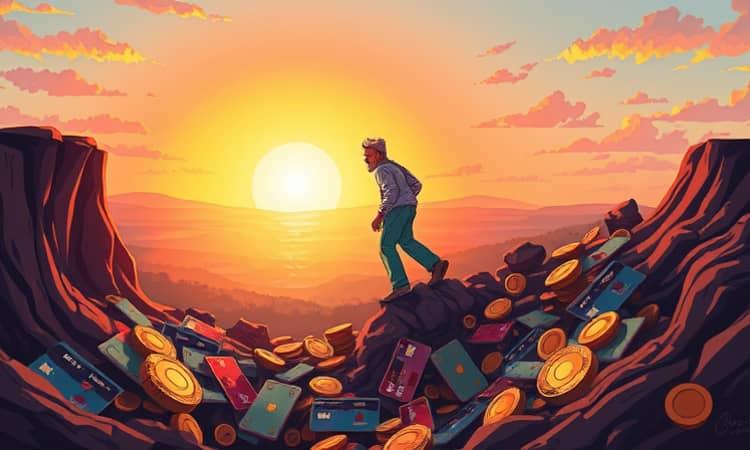
In a world where financial obligations weigh heavily on both nations and individuals, debt has become a silent crisis.
Global debt reaching $346 trillion in 2025 signals an era of unprecedented economic strain.
This burden touches every aspect of life, from government budgets to household finances.
Yet, amidst this daunting landscape, there is a path to liberation.
Breaking free from debt is not just about numbers it is about reclaiming peace and opportunity.
The Alarming Reality of Global Debt
The scale of global debt today is staggering and cannot be ignored.
Public debt alone hit $111 trillion in 2025, showing a rapid increase from previous years.
This surge is driven by various factors, including government borrowing and fiscal policies.
In percentage terms, debt stands at 235% of world GDP, placing immense pressure on future generations.
The trajectory suggests that without intervention, debt levels could spiral further.
Understanding this context is the first step toward personal and collective resilience.
How Debt Impacts Your Daily Life
Beyond the macroeconomic data, debt has a profound effect on personal well-being.
Consumer delinquencies at multi-year highs reveal widespread struggles with repayment.
Household debt, while declining globally, remains a source of anxiety for many families.
Surveys indicate that reducing debt is a top priority for nearly half of Americans.
This stress can affect mental health, relationships, and overall quality of life.
Recognizing these challenges empowers you to take control and seek solutions.
Debt Composition: A Breakdown of the Burden
Global debt is composed of several key sectors, each with its own trends.
- Government debt rose to 93% of GDP, with the U.S. at 121% and China at 88%.
- Corporate debt reached $35 trillion, driven by investments in AI and clean energy.
- Household debt shows high delinquencies, particularly in credit cards and student loans.
This diversity means that strategies must be tailored to specific debt types.
For individuals, focusing on household and personal debt is often the most urgent.
The Crisis in Developing Nations
The debt situation is especially critical in low- and middle-income countries.
Developing nations owe $8.9 trillion externally, creating economic vulnerabilities.
Record interest payments threaten essential services like healthcare and education.
This global inequity highlights the need for compassionate policies and support.
As individuals, we can draw inspiration from their resilience in facing financial challenges.
Key Drivers Behind the Debt Surge
Identifying what fuels debt growth helps in formulating effective responses.
- Government borrowing as primary driver in 2026, with stimulus packages adding to burdens.
- Rising interest costs on existing debt exacerbate financial pressures.
- Crowding-out effects limit credit availability for the private sector.
Other factors include corporate mergers and high rates in emerging markets.
Awareness of these drivers can inform both personal and policy decisions.
Practical Strategies for Personal Debt Freedom
Escaping debt requires a clear, actionable plan that you can stick to.
Start by assessing your financial situation honestly and setting realistic goals.
Budget with the 50-30-20 rule to allocate income wisely between needs, wants, and savings.
This method provides a structured approach to managing expenses and debt repayment.
Tracking your spending diligently can reveal opportunities to cut costs and save more.
Effective Debt Repayment Methods
Choosing the right strategy can accelerate your journey to debt freedom.
- Debt snowball method: Pay off smallest debts first for quick motivational wins.
- Debt avalanche method: Tackle highest interest debts to save money over time.
Each approach has its merits, depending on your personality and financial priorities.
Consistency in payments is key, regardless of the method you select.
Reducing High-Interest Debt
High-interest debts, such as credit card balances, can be particularly crippling.
Focus on credit card balances first to minimize the interest that accumulates.
Consider negotiating with creditors for lower rates based on your repayment history.
Making more than the minimum payment each month helps reduce debt faster.
This proactive approach can significantly shorten your repayment timeline.
Debt Consolidation and Balance Transfers
Simplifying your debt can make it easier to manage and pay off.
- Balance transfers move debt to lower-rate cards, reducing interest costs.
- Debt consolidation combines multiple debts into one loan with a lower rate.
Options include personal loans or home equity loans, depending on your circumstances.
This strategy can streamline payments and lower overall financial stress.
Professional Support and Resources
You do not have to face debt alone; help is available.
Credit counseling services offer guidance and can negotiate with creditors on your behalf.
They help develop personalized repayment plans and provide financial education.
Seeking professional advice early can prevent debt from spiraling out of control.
This support empowers you to make informed decisions and stay on track.
Comparison of Debt Repayment Strategies
Understanding different methods can help you choose the best fit for your situation.
This table provides a clear overview to aid in your decision-making process.
Global Risks and Stability Concerns
The high debt levels pose risks to economic stability worldwide.
- Potential for global fiscal instability due to debt and moderate growth.
- Private debt surges in emerging markets like Brazil and India.
- Crowding-out effects in low-income countries threaten private investment.
These factors underscore the interconnectedness of personal and global finances.
By managing your debt, you contribute to a more stable economic environment.
Policy Recommendations for Sustainable Debt Management
Governments play a crucial role in addressing the debt crisis through responsible policies.
- Prioritize gradual fiscal adjustments within credible medium-term plans.
- Foster economic growth to ease debt burdens and encourage investment.
- Avoid crowding-out private borrowing through excessive public debt.
These measures can help create a foundation for long-term financial health.
As citizens, advocating for such policies can drive positive change.
Your Journey to Financial Liberation
Breaking free from debt is a transformative journey that requires patience and perseverance.
Set small, achievable milestones and celebrate each success along the way.
Professional support from credit counselors can provide valuable insights and encouragement.
Remember, every step you take reduces stress and opens doors to new opportunities.
Embrace this path with hope, knowing that financial freedom is within reach.