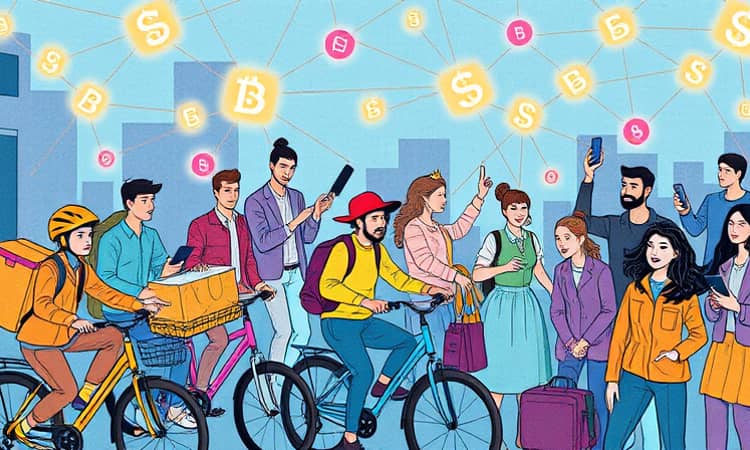
The gig economy is more than a trend; it's a rapidly expanding economic segment reshaping work worldwide. Millions of professionals now pursue flexible, project-based opportunities across diverse sectors. Yet this shift poses unique financial challenges, from irregular income to benefits access. FinTech emerges as a catalyst, providing the tools and infrastructure to support these independent workers and amplify their potential.
As traditional employment gives way to freelance and contract roles, the need for agile financial services has never been greater. Platforms are integrating payment systems, credit options, and insurance into seamless experiences. By leveraging digital data and advanced analytics, FinTech can deliver tailored solutions that address cash flow volatility, build credit profiles, and unlock new sources of capital for those operating on the periphery of formal finance.
Market Overview
Valued at US$436.4 billion in 2025, the gig economy is expected to reach US$497.9 billion by 2032, growing at a CAGR of 1.9%. Alternative projections suggest even more aggressive growth, forecasting US$2.15 trillion by 2033 at 16.18% annual expansion. In the U.S. alone, freelancers contributed US$1.27 trillion in earnings during 2023, accounting for roughly 5% of GDP.
- Global gig revenue: US$3.8 trillion in 2022.
- Projected freelancing workforce: 86.5 million by 2027 in the U.S.
- Annual growth: 2.1 million new gig workers in 2020, 3.1 million in 2021.
Workforce Evolution
Independent work now represents 38% of the U.S. labor pool, equating to 64 million professionals. More than half of American workers could be freelancing by 2027, a trend mirrored globally as gig roles account for up to 12% of the worldwide labor force. Demographics are diverse, with adults under 30 and those in lower-income brackets most likely to participate.
Participation is driven by multiple factors: schedule flexibility, diversified income streams, and autonomy over project selection. Yet many gig workers face income instability, irregular cash flow, and lack of job security. These challenges highlight the critical role FinTech can play in smoothing income fluctuations and providing benefits traditionally tied to full-time employment.
Platform Ecosystem
Service-based platforms dominate the sector, connecting consumers with independent workers for home repairs, cleaning, and personal services. Delivery and logistics platforms continue to expand alongside booming food delivery and e-commerce. Major players include Uber, Airbnb, Upwork, Fiverr, DoorDash, Lyft, and Instacart, each leveraging digital tools to streamline onboarding, scheduling, and payments.
Skills and Income Trends
The gig economy is shifting toward skilled work—software development, design, financial consulting, and legal support. High-value specialties command premium rates, with AI experts earning US$115 per hour and blockchain architects earning US$87 per hour. Robotics, ethical hacking, and cryptocurrency fields also offer substantial opportunities.
Adoption of generative AI tools is skyrocketing: 61% of Gen Z freelancers and 70% year-over-year growth in AI projects on Upwork. Freelancers leverage technology to boost productivity, secure more clients, and stand out in competitive markets.
Financial Inclusion Gap and FinTech Solutions
Despite growth, many gig workers lack access to health insurance, retirement plans, and affordable credit. Earnings can be unpredictable, making budgeting and long-term planning daunting. FinTech solutions are designed to bridge these gaps through innovative digital offerings and risk assessment models.
- Innovative digital payment solutions: Instant payouts, digital wallets, and low-fee transfers.
- Underwriting using work data: Leveraging gig platform metrics for credit scoring.
- Embedded insurance: On-demand healthcare and income protection products.
- Automated savings and expense tracking: Tools that smooth cash flow cycles.
By integrating financial services directly into gig apps, providers can reduce acquisition costs and secure repayments seamlessly during platform payouts. This creates a sustainable ecosystem benefiting both workers and service providers.
Geographic Opportunities
Emerging markets in Asia-Pacific, Sub-Saharan Africa, and Latin America represent fertile ground for growth. Smartphone penetration, urbanization, and a young workforce drive demand for digital income opportunities. In Sub-Saharan Africa, job postings on digital platforms grew by 130%, far outpacing North America.
Governments in these regions are promoting digital entrepreneurship and inclusive economic participation. FinTech platforms that offer credit, payments, and insurance can become a scalable tool for economic empowerment, enabling youths and rural communities to overcome traditional employment barriers and participate in the global economy.
Empowering the Gig Workforce
Successful gig workers blend technical proficiency with strong soft skills—communication, time management, and adaptability. Financial literacy is equally vital: budgeting tools, credit-building services, and retirement planning resources help freelancers achieve stability and resilience.
Platforms and FinTech providers can further empower this workforce by:
- Offering microloans based on real-time earnings data.
- Providing low-cost health and income protection insurance.
- Facilitating tax management and compliance tools.
These initiatives not only improve financial security but also enhance productivity, retention, and overall well-being. As independent work continues to expand, aligning service offerings with worker needs will be crucial to long-term sector vitality.
FinTech stands as the financial backbone of the gig economy, bridging the gap between flexibility and stability. By harnessing digital innovation, data-driven underwriting, and seamless service integration, providers can unlock new pathways for economic inclusion. Gig workers, empowered with the right tools, can navigate income volatility, access essential benefits, and build sustainable careers in the evolving world of work.