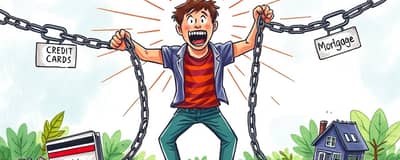
Becoming your own fiscal architect means more than wishing to escape debt; it requires a clear plan, disciplined execution, and the right tools. This guide unpacks the three phases—mindset and diagnosis, designing the plan, and building the structure—to help you lay the groundwork for a truly debt-free destiny.
The Architect’s Mindset: Foundation and Diagnosis
Every building begins with a blueprint. Similarly, your personal finances demand a written financial blueprint that articulates what “debt-free” means for you. Whether you define it as eliminating consumer debt only or clearing a mortgage as well, clarity shapes every decision that follows.
First, undertake a comprehensive inventory of all obligations. List each credit card, student loan, auto loan, medical bill, personal loan, buy-now-pay-later balance, and any tax arrears. Record balance, APR, minimum payment, due date, and any promotional terms. This exercise creates a real-time inventory of all debt, akin to a corporate treasury’s record of its debt facilities.
Next, conduct a cash-flow assessment. Calculate total net income after taxes, then map fixed expenses (rent, utilities, insurance) and variable costs (groceries, subscriptions, dining out). Frameworks like the 50/30/20 budget or a zero-sum budget ensure every dollar has a purpose, revealing surplus cash that can be channeled into accelerated repayments.
Finally, articulate your design requirements. Your criteria might include a three to six month emergency savings fund, reducing debt payments to below 10% of income, or achieving positive net worth. Treat these goals as load-bearing walls in your fiscal architecture, supporting all future growth.
Designing Your Debt-Free Blueprint
With diagnosis complete, it’s time to select your construction methods. Each technique represents an engineering choice in cost, complexity, and psychological impact.
- Pay More Than the Minimum
- Debt Snowball Method
- Debt Avalanche Method
- Debt Consolidation
- Negotiation & Restructuring
- Behavioral Strategies for Extra Cash Flow
Paying extra reduces principal immediately, saving interest and shortening timelines. For example, adding just $50 monthly to a $5,000 balance at 18% APR can shave years off repayment.
The engineer’s choice is often the avalanche method, targeting the highest-rate debt first to minimize total interest. Yet the snowball method, which focuses on the smallest balances, delivers rapid wins that reinforce motivation.
Consolidation reconfigures load paths by merging multiple debts into a single, lower-rate loan or a 0% balance transfer card. While simplifying payments, this approach demands strict discipline to avoid new charges and to repay aggressively before promotional periods expire.
For those facing hardship, negotiating interest rate reductions or payment plans can remodel unfavorable terms. Debt settlement—offering a lump sum for less than the full balance—is a last resort given its credit-score impact and potential tax liabilities.
Building and Safeguarding Your Structure
Once your blueprint is approved, construction begins. Establish systems that ensure ongoing stability and prevent future overextension.
- Automate Payments and Tracking
- Create Monthly Budget Reviews
- Channel Windfalls to Principal
Automation acts as scaffolding, guaranteeing on-time payments that protect your credit and prevent late fees. Regular budget reviews function as structural stress tests, revealing vulnerabilities when income shifts or unexpected expenses arise.
Redirect every bonus, tax refund, or gift toward debt reduction. Even modest contributions—such as trimming a $5 coffee habit or negotiating insurance premiums—serve as micro-savings that reinforce your financial framework over time.
Finally, install long-term safeguards. Once non-mortgage debt is eliminated, shift that payment amount automatically into savings or investment accounts. Maintain an emergency fund with three to six months of living expenses. Review your budget and debt balances quarterly to ensure compliance with your original design.
By treating your finances as an architectural project, you fuse creativity, precision, and resilience. Each phase—mindset and diagnosis, blueprint design, and structural building—leverages techniques borrowed from public debt management and treasury principles. The result is a personalized, transparent, and sustainable plan that withstands economic stress and paves the way to a true debt-free destiny.