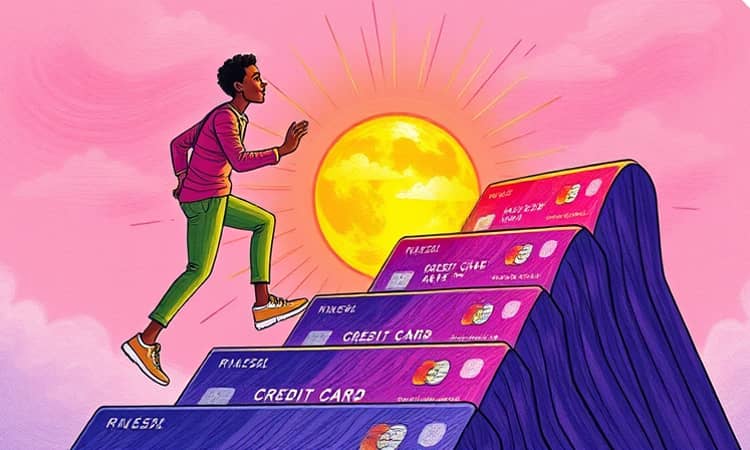
In a world where consumers juggle rising costs and complex financial products, credit cards stand at a crossroads between empowerment and entrapment. When used wisely, they unlock convenience, rewards, and credit-building opportunities. Yet, when mismanaged, they can spiral into burdensome debt, stress, and lasting financial scars. This article explores the ethics of credit card use by offering both inspiration and practical guidance to help you chart a sustainable path.
By examining national trends, core principles, psychological factors, and ethical considerations, you will gain the tools to foster financial resilience, maintain transparency, and uphold personal integrity. Whether you carry a balance or pay in full each month, adopting a responsible approach benefits you individually and contributes to a more equitable financial ecosystem.
Understanding the Current Landscape
As of Q4 2025, Americans collectively owe $1.277 trillion in credit card debt, the highest balance since records began. That figure represents a 66% surge from the pandemic low of $770 billion in Q1 2021 and stands $350 billion above the previous pre-pandemic record set in Q4 2019. With balances projected to approach $1.18 trillion by the end of 2026, the stakes for individual and societal well-being could not be higher.
Nearly half of all cardholders carry unpaid balances each month, averaging $7,886 per person. Alarmingly, about one in five debtors doubts they will ever clear their cards. Delinquency rates have remained above pre-pandemic levels, signaling widespread financial strain even amid economic recovery efforts. These numbers reveal not only economic challenges but also the ethical responsibility we bear in managing credit thoughtfully.
Geographic disparities further illustrate the social dimension of debt. Northeastern states report average balances near $10,000, while several southern states fall below $5,000. Washington State saw the fastest growth at 11.8% year-over-year, contrasted with a 10.3% decrease in New Mexico. This uneven landscape underscores the interplay between local economies, lending practices, and consumer behavior.
This snapshot reminds us that credit card debt is more than a number on a statement—it is a reflection of consumer behavior, systemic pressures, and the ethical decisions we make in pursuit of short-term convenience versus long-term financial freedom.
Core Principles of Responsible Use
Embedding responsibility into every swipe begins with a clear set of guiding principles. These core tenets serve as ethical guardrails, ensuring your credit cards work for you rather than against you.
- On-time payments are the foundation: Establish autopay or calendar reminders to ensure you cover at least the minimum due amount by each statement date, protecting your credit history and avoiding costly late fees.
- Keep balances below 30% of their credit limit: Maintaining utilization in this range can bolster your score and reduce interest burdens. Paying the full statement balance each month eliminates finance charges entirely and builds financial discipline.
- Tracking spending in real-time through banking apps: Review transactions regularly to identify unnecessary expenses, refine your budget, and stay within ethical spending boundaries.
- Never sharing card numbers or PINs: Protect your account by keeping credentials private. Report lost or stolen cards immediately to mitigate the risk of fraud and unauthorized activity.
- Regular statement review helps identify errors: Scrutinize each charge monthly to catch billing mistakes, dormant subscriptions, or unauthorized transactions before they compound.
- Earning cash back or points can be beneficial: Use rewards wisely only for planned purchases. Remember that interest costs often outweigh incentive values when balances carry over, making restraint an ethical imperative.
Behavioral and Psychological Dimensions
Understanding human behavior is essential to cultivating healthy credit habits. Many consumers sign card agreements without reading them, unaware of key terms. Yet understanding fees, interest rates, and billing cycles is crucial to making informed choices and avoiding unwelcome surprises.
Instant gratification often drives impulsive swipes, fueled by flashy marketing and reward incentives. To counteract this impulse, frame credit cards as tools rather than extensions of income. Building positive habits starts with using cards for small, predictable expenses—groceries, gas, or utility bills—followed by immediate payment. This technique not only reinforces discipline but also demonstrates creditworthiness to lenders.
Conversely, continuously purchasing beyond affordability creates debt cycles where compounding interest and fees erode both finances and confidence. Recognizing the psychological pull of “buy now, pay later,” and setting firm spending boundaries, is as much an ethical choice as a financial one.
Practical Tools for Implementation
Modern technology equips you with an arsenal of resources to execute these principles. Integrating a few simple tools into your routine can transform abstract advice into actionable habits and nurture a sense of accountability.
- Account alerts via email or text: Enable notifications for every transaction to monitor activity, detect unauthorized charges, and reinforce spending awareness in real time.
- eStatements enrollment for expense tracking: Opt for electronic statements to centralize your records, reduce paper clutter, and simplify monthly expense reviews.
- Mobile banking apps for real-time updates: Use your card issuer’s app or a trusted third-party tool to categorize spending and receive instant balance warnings before limits are exceeded.
- Money management app integration for visibility: Link credit accounts to budgeting platforms that provide a holistic view of income, outflows, and net worth, helping you visualize progress.
- Credit score monitoring tools for progress: Track your FICO or VantageScore regularly to see how disciplined behaviors translate into higher creditworthiness and access to better lending terms.
Ethical Reflections and Broader Context
Responsible credit use extends beyond personal finance into broader ethical terrain. Sky-high interest rates, aggressive marketing toward vulnerable consumers, and opaque fee structures can exploit those least able to absorb shocks. Financial institutions have a duty to offer transparent terms and clear disclosures, while consumers bear the responsibility of reading agreements and advocating for fair practices.
Regional debt disparities highlight socioeconomic inequities: lower-income communities may lack access to financial literacy resources, leading to higher delinquency rates and negative health outcomes. By championing community education, transparent disclosures, and accessible support programs, we can shift from cycles of indebtedness toward empowerment and shared prosperity.
Conclusion: Embracing Ethical Credit Habits
Credit cards, when wielded responsibly, can serve as catalysts for opportunity—providing convenience, safety, rewards, and pathways to financial growth. Yet they demand ongoing vigilance, self-discipline, and ethical reflection. By adhering to core principles, leveraging modern tools, and acknowledging the broader impact of our choices, we can transform credit from a potential pitfall into a sustainable instrument of progress.
Begin today by selecting one actionable step—set a new payment reminder, review last month’s charges in detail, or reduce your utilization rate. Each deliberate choice strengthens your financial sovereignty and contributes to a fairer credit system for all. In doing so, you not only honor your own well-being but also reaffirm the trust and integrity upon which responsible lending rests.