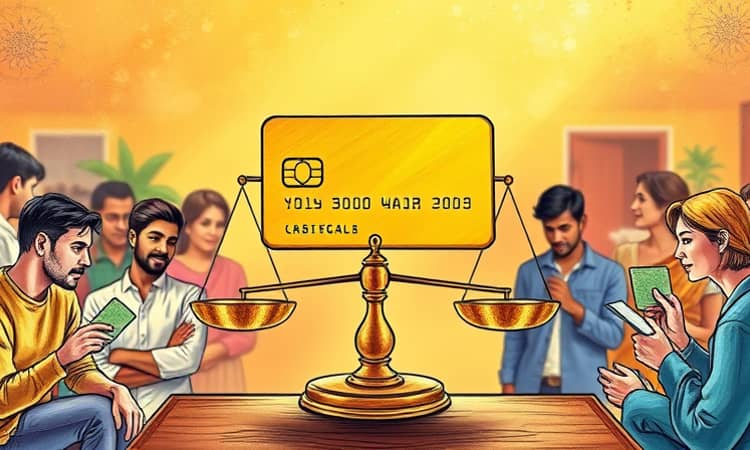
In a world where plastic reigns supreme, understanding the moral compass behind every swipe is essential. By weaving together individual responsibility, business transparency, and robust security, we can transform credit card use into a force for good.
Understanding Ethical Foundations in Credit Card Usage
At its core, credit card ethics is about financial integrity and treating every transaction as a reflection of one’s character. Whether you are a consumer tracking household expenses or a merchant processing payments, aligning actions with ethical principles fosters trust and long-term stability.
These guidelines extend beyond mere compliance. They demand informed consent, clear communication, and a commitment to risk mitigation for debt and fraud. When we honor these tenets, we protect both personal finances and the broader economic system.
Consumer Responsibility: Navigating Debt with Integrity
Credit cards can be powerful tools, but without caution, they can lead to spiraling debt. Recent data shows total U.S. credit card balances reached $1.277 trillion in Q4 2025, the highest since tracking began in 1999.
Average unpaid balances climbed to $7,886 per cardholder, with states like Connecticut and New Jersey topping the lists. These figures highlight the importance of sound budgeting and prudent spending habits.
By adopting the following practices, consumers uphold their ethical obligations:
- Review statements monthly to detect unauthorized charges.
- Maintain a budget that prioritizes debt repayment over new purchases.
- Use advanced notice and consent for recurring payments to avoid surprises.
- Consider alternative payment methods when interest rates become burdensome.
Business Practices: Transparent and Fair Merchant Policies
Merchants and service providers wield significant influence over customer trust. Ethical operations require transparent fee structures, responsible handling of chargebacks, and respect for client funds.
Law firms, for example, must use separate trust accounts to hold retainers until services are rendered and the chargeback window closes. This practice protects both the client’s money and the firm’s reputation.
Surcharges and processing fees must be clearly disclosed at the time of sale. Hiding these costs can breach principles of transparency and undermine customer confidence. Businesses should:
- Disclose any extra fees before finalizing a transaction.
- Offer surcharge-free payment alternatives.
- Provide clear opt-out procedures for recurring charges.
Industry Standards and Codes of Conduct
Major networks and issuers have codified ethical expectations. The Visa Code of Business Conduct and Mastercard rules emphasize compliance with laws, sound operations, and professional integrity. Similarly, Canada’s Code of Conduct for Credit and Debit Card Schemes ensures merchants understand their costs and retain the freedom to choose accepted payment methods.
Adhering to these standards not only satisfies regulatory demands but also elevates industry reputation. Organizations that champion ethical codes foster a culture of accountability and mutual respect.
Data Security and Cardholder Privacy
Protecting customer data is both a legal necessity and an ethical imperative. The Payment Card Industry Data Security Standard outlines five key requirements:
- Build and maintain a secure network.
- Protect cardholder data at all stages.
- Implement vulnerability management programs.
- Enforce strong access control measures.
- Maintain an overarching information security policy.
Beyond these technical controls, companies should honor principles of data ownership and transparent privacy practices, giving individuals clear insights into how their information is used.
Principles to Live By: Building Trust and Accountability
To navigate the ethical landscape of credit cards, consider these guiding principles:
- Honesty in Disclosure: Always present fees and policies clearly.
- Fairness in Treatment: Offer equitable options to all customers.
- Responsibility in Debt: Encourage sustainable spending behaviors.
- Protection of Data: Treat personal information with utmost care.
By embedding these values into daily operations, both individuals and businesses can create a more trustworthy financial ecosystem.
Looking Ahead: The Future of Ethical Credit Practices
As we approach 2026, projections indicate U.S. credit card balances could exceed $1.18 trillion, driven by affluent users and fintech innovations. While growth offers opportunities, rising delinquencies and economic pressures pose significant risks.
Organizations that proactively address these challenges—through robust risk mitigation, transparent communication, and continuous adherence to ethical standards—will thrive. Consumers equipped with financial education and disciplined habits will enjoy greater fiscal well-being.
Conclusion
The ethics of credit card use span personal habits, merchant practices, industry codes, and data protection. By embracing informed consent, financial integrity, and transparent operations, we can harness the power of credit responsibly. Together, we can build a future where every transaction strengthens trust, security, and collective prosperity.