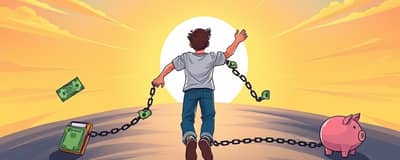
Debt can feel like an insurmountable mountain, casting a shadow over your financial dreams and daily life.
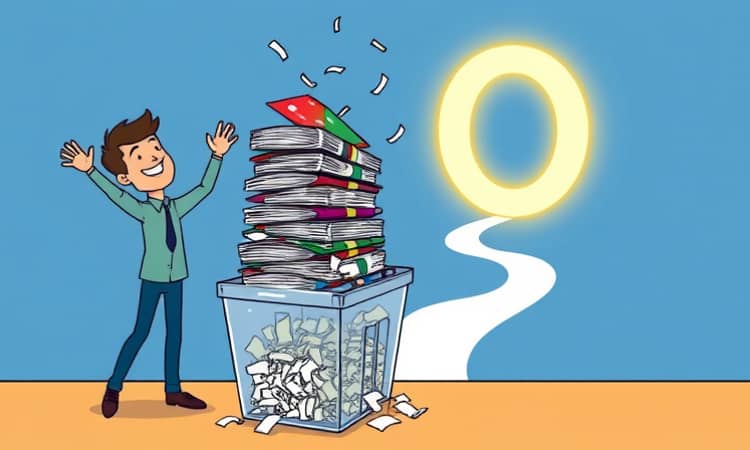
But imagine turning that burden into a powerful shredder, one that accelerates you toward zero with unstoppable force.
In today's economy, especially with potential Federal Reserve rate cuts in 2026, the timing is perfect to take control.
This guide will walk you through practical, inspiring strategies to build momentum, minimize costs, and achieve a debt-free future.
Whether you're a general consumer or a retiree with fixed income, the path to zero is within reach.
Psychological Acceleration: Building Momentum with the Snowball Method
The debt snowball method focuses on quick wins to fuel your motivation.
By paying off the smallest balances first, you create a visible and accelerating progress that keeps you committed.
This approach is like rolling a snowball downhill—it gains speed and size as you go.
Here are the steps to implement the snowball method effectively:
- List all your debts from smallest to largest balance, ignoring interest rates initially.
- Make minimum payments on all debts, but allocate any extra funds to the smallest balance.
- Once the smallest debt is paid off, roll that payment amount into the next smallest debt.
- Repeat this process until all debts are eliminated, building momentum with each victory.
This method offers significant psychological benefits, but it's not without drawbacks.
The pros include quick wins that boost confidence and make the journey feel manageable.
The cons involve potentially higher total interest paid over time, which can slow overall progress.
It's best suited for individuals who thrive on early progress and visible achievements to stay motivated.
Mathematical Shredding: Minimizing Interest with the Avalanche Method
If saving money is your top priority, the debt avalanche method is your go-to strategy.
This approach targets the highest interest rates first, ensuring you slash interest costs dramatically over the long term.
Like an avalanche gaining mass, it builds efficiency with each payment.
Follow these steps to harness the avalanche method:
- List all your debts from highest to lowest interest rate, regardless of balance size.
- Continue making minimum payments on all debts, but direct extra payments to the highest-interest debt.
- Once that debt is cleared, move the payment to the next highest-interest debt.
- Repeat until all debts are paid off, maximizing savings and accelerating payoff.
The pros of this method are clear: it saves the most on interest and can lead to a faster overall debt elimination.
However, the cons include slower initial wins, which might demotivate some people.
It's ideal for those who are self-motivated and efficiency-focused, prioritizing long-term financial health.
Choosing Your Weapon: Snowball vs. Avalanche Comparison
To help you decide which method aligns with your personality and goals, here's a detailed comparison table.
Both methods have their strengths, so choose based on what keeps you committed.
Remember, consistency is the key to success, regardless of the path you take.
Holistic Reset: Budgeting and Negotiation Tactics
A comprehensive approach to debt payoff involves more than just payment strategies.
It requires a holistic reset of your finances, starting with a rigorous budget audit.
Implement the 50/30/20 rule to structure your spending: 50% on needs, 30% on wants, and 20% on savings or debt payoff.
To accelerate your progress, focus on cutting unnecessary expenses.
- Audit your monthly budget to identify areas where you can reduce spending.
- Consider downsizing your car or home, or adding a roommate for extra income.
- Eliminate non-essential costs like excessive life insurance or premium subscriptions.
- Use technology tools to automate payments and track your progress effortlessly.
Negotiation is another powerful tool in your arsenal.
Call service providers for bills like cell phones, insurance, or cable to request reductions.
For retirees, escalate to a supervisor for better rates, leveraging your fixed income situation.
By lowering minimum payments through consolidation or negotiation, you free up cash for principal reduction.
2026 Action Plan: Leveraging Economic Shifts
With potential Federal Reserve rate cuts on the horizon, 2026 offers unique opportunities to accelerate debt payoff.
Start with a thorough debt audit: list all totals, minimums, and due dates, and pull free credit reports.
Choose your payoff method—snowball or avalanche for DIY, or consolidation for heavier loads.
Here are the key steps to capitalize on the 2026 context:
- Avoid accumulating new debt by halting new charges and accounts immediately.
- Leverage potential rate cuts to negotiate better terms with creditors or seek 0% APR balance transfers.
- Use balance transfer cards with intro periods up to 21 months if you have good credit.
- Consider debt consolidation loans for a single, lower-rate payment that simplifies tracking.
- Explore debt management plans through nonprofits for structured, reduced-rate payoffs over 3-5 years.
Building momentum early on will fuel your long-term commitment to becoming debt-free.
Beyond DIY: Consolidation and Relief Options
For those with debt exceeding 36% of income, DIY methods might not suffice.
Debt consolidation can provide a streamlined path to zero by combining multiple debts into one.
This approach offers several benefits, such as freed cash for principal reduction and fewer due dates to manage.
However, be cautious to avoid re-accumulating debt once consolidated.
Here are the main consolidation options to consider:
- Balance Transfer Cards: Ideal for high-interest credit cards, offering 0% APR for promotional periods.
- Debt Consolidation Loans: Provide a single payment with a potentially lower interest rate.
- Debt Management Plans: Negotiated by nonprofit agencies, offering reduced rates and a fixed payoff timeline.
Each option has its pros and cons, so evaluate based on your credit score and financial stability.
Remember, the goal is to accelerate your path to zero without compromising future financial health.
With dedication and the right strategies, you can shred debt and embrace a brighter, debt-free future in 2026 and beyond.