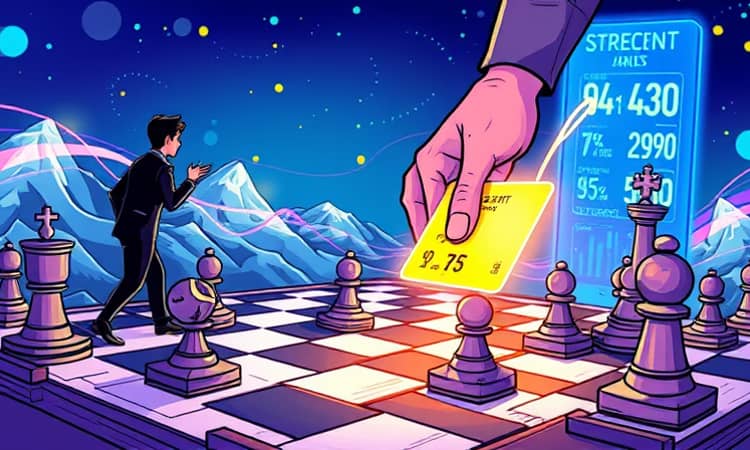
In the intricate world of personal finance, your credit score acts as a crucial scorecard.
It determines your access to loans, credit cards, and favorable interest rates.
This three-digit number ranges from 300 to 850, predicting your credit behavior with precision.
Credit cards, often misunderstood, are key players in this game, influencing your score in profound ways.
By understanding their role, you can transform them from potential pitfalls into powerful assets for growth.
Demystifying Your Credit Score
A credit score is a risk assessment tool used by lenders and insurers.
It is calculated from data in your credit reports, which track borrowing and repayment history.
This score helps businesses decide whether to extend credit and on what terms.
Knowing how it works empowers you to take control of your financial future.
The Five Pillars of Your FICO Score
The FICO Score, widely used by lenders, breaks down into five weighted components.
Each component plays a distinct role in shaping your overall number.
- Payment History (35%): This is the most critical factor, reflecting your bill-paying track record.
- Amounts Owed (30%): Also known as credit utilization, it measures your used credit versus available limits.
- Length of Credit History (15%): This considers how long you have managed credit accounts.
- New Credit (10%): Accounts for recent credit applications and hard inquiries.
- Credit Mix (10%): Reflects your experience with different types of credit accounts.
Mastering these elements is essential for improving your score over time.
Payment history alone can make or break your credit standing.
Even a single late payment can cause a significant drop, so consistency is key.
Credit utilization should ideally stay below 30% to avoid negative impacts.
Those with excellent scores often keep it under 10%, demonstrating restraint.
The length of your credit history shows lenders your long-term reliability.
New credit applications temporarily lower scores, but the effect fades quickly.
A diverse credit mix signals to lenders that you can handle various debts responsibly.
How Credit Cards Specifically Impact Your Score
Credit cards can be double-edged swords in the credit score game.
On the negative side, they introduce certain challenges if mismanaged.
- Hard inquiries from applications cause temporary score drops of a few points.
- Opening new cards reduces your average account age, impacting credit history.
- Closing accounts hurts by cutting available credit and reducing credit mix diversity.
However, when used wisely, credit cards offer substantial benefits.
- Regular on-time payments build a positive payment history over time.
- Keeping low balances improves credit utilization ratios significantly.
- They enhance credit mix if you lack other revolving credit accounts.
- Responsible use demonstrates debt management skills to potential lenders.
Simply using a credit card does not harm your score.
In fact, moderate purchases paid off in full each month generate positive data.
This practice promotes score improvement and financial discipline.
Understanding Credit Mix in Depth
Credit mix refers to your portfolio of different credit account types.
Lenders view this favorably as it shows your ability to manage various debts.
While it accounts for only 10% of your FICO Score, it can be a tiebreaker.
Having both revolving and installment accounts is ideal for a healthy mix.
- Revolving accounts include credit cards, retail cards, and home equity lines.
- Installment accounts cover mortgages, auto loans, and student loans.
Diversifying your credit types can boost your score over the long term.
It signals creditworthiness and reduces perceived risk for lenders.
Navigating Credit Score Ranges
Credit scores fall into specific ranges that define your financial standing.
Understanding these can help you set realistic goals and track progress.
Aim for the excellent credit range to unlock superior financial opportunities.
Scores in the high 700s or 800s are often required for the best loan terms.
Even small improvements within a range can lead to better offers from lenders.
Strategic Moves to Win the Game
Improving your credit score requires deliberate actions and consistent effort.
Here are practical tips to enhance your standing and master the game.
- Always pay bills on time to strengthen payment history and avoid penalties.
- Keep credit card balances low, ideally below 10% of your available credit.
- Avoid closing old accounts to maintain a longer average credit history.
- Limit new credit applications to minimize the impact of hard inquiries.
- Diversify your credit mix by responsibly managing different account types.
Additionally, monitor your credit reports regularly for errors.
Dispute any inaccuracies promptly to ensure your score reflects true behavior.
Use credit cards for small, regular purchases and pay them off in full.
This habit builds positive data without accruing high-interest debt.
Busting Common Credit Myths
Many misconceptions surround credit scores, leading to unnecessary stress.
Clarifying these myths can help you make informed financial decisions.
- Credit scores do not include factors like age, employment status, assets, or income.
- Each person has multiple scores from different credit bureaus, such as Equifax and Experian.
- The impact of a single event, like a late payment, varies based on your overall profile.
- Using credit cards regularly, if managed well, helps rather than hurts your score.
Another myth is that checking your own score lowers it.
In reality, soft inquiries from personal checks do not affect your score.
Understanding these truths empowers you to navigate the credit landscape confidently.
Consumer Rights and Additional Insights
Under laws like the Dodd-Frank Act, you have rights regarding credit scores.
If denied credit based on your score, you are entitled to a free credit score report.
This transparency allows you to address issues and improve your standing.
Lenders may also consider factors beyond the score, such as income or down payments.
However, the credit score remains a primary tool in their decision-making process.
Staying informed about your rights ensures you can advocate for yourself effectively.
Conclusion: Mastering the Credit Score Game
Your credit score is a dynamic part of your financial life, heavily influenced by how you handle credit cards.
By understanding the factors at play and adopting strategic habits, you can turn the game in your favor.
Remember, it is not about perfection but consistent, responsible behavior over time.
Start implementing these tips today, and watch your score climb.
This journey opens doors to better loans, lower rates, and a brighter financial future.
Embrace the game with knowledge and confidence, and you will emerge victorious.