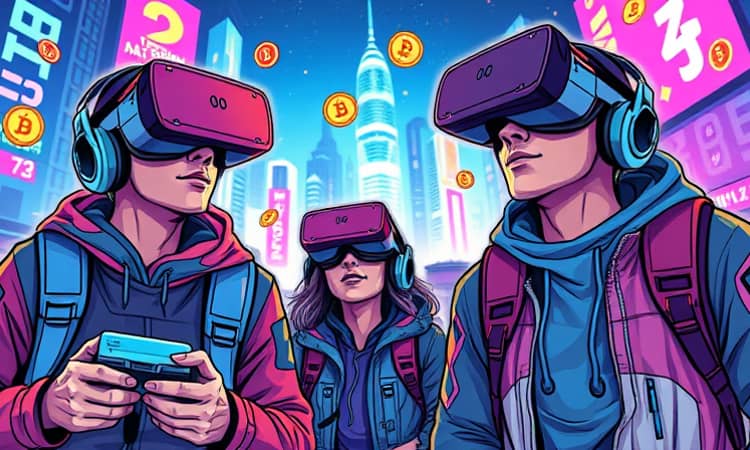
In a world where digital experiences shape our daily lives, a powerful transformation is underway at the crossroads of gaming and finance. The rise of play-to-earn (P2E) ecosystems is rewriting the rules of interactive entertainment, empowering players to turn their passion into meaningful economic opportunity. This new paradigm transcends traditional leisure and introduces a compelling vision: when worlds collide, everyone can win.
Play-to-earn gaming leverages blockchain technology to enable real-world income through in-game activities. By granting true ownership of digital assets, P2E models foster a vibrant economy where players, creators, and investors collaborate in a dynamic, transparent marketplace. As this trend gathers momentum, it promises to redefine how communities engage, earn, and thrive.
Understanding the P2E Revolution
At the heart of play-to-earn ecosystems lie four essential components that differentiate them from traditional gaming:
- Unique in-game items represented as tradable tokens (NFT Assets)
- Game-specific cryptocurrency functioning as the internal currency (Native Tokens)
- Decentralized platforms where players buy and sell digital assets (Marketplaces)
- Reward mechanisms that distribute earnings based on achievements (Reward Systems)
These elements combine to create an open environment where digital assets gain genuine economic value and players wield unprecedented control over their virtual possessions.
The Circular Economy That Empowers Players
Play-to-earn models operate within a self-sustaining economic cycle that continuously fuels growth. Players engage in gameplay, earn rewards, trade assets in marketplaces, and reinvest in the ecosystem. As more participants join, asset value appreciates, further incentivizing community expansion.
This cyclical structure ensures that contributions at every level— from casual players to professional builders— are rewarded. It fosters a sense of collective ownership, where each transaction and achievement strengthens the foundations of a thriving digital economy.
Four Pillars of P2E Systems
To visualize the interplay of core components, consider the table below:
Designing Sustainable Tokenomics
The longevity of a play-to-earn ecosystem hinges on carefully designed token economics systems that balance reward incentives with asset scarcity. Key variables include:
- Pay-to-play versus free-to-play structures
- Hourly earning potential and reward caps
- Inflation control through deflationary mechanics
- Entry barriers and accessibility for new participants
- Revenue sharing models between developers and players
- Governance power allocated to token holders
- Fair play mechanics to prevent pay-to-win dominance
By fine-tuning these factors, developers can foster a balanced ecosystem that sustains growth without sacrificing value or engagement.
Real Benefits and Global Impact
Play-to-earn gaming offers players permanent ownership rights independent of centralized platforms. This shift from rented digital goods to true asset ownership transforms casual gamers into stakeholders. In regions with limited employment alternatives, P2E titles serve as alternative income sources in developing economies, empowering individuals to support themselves and their families.
Furthermore, anyone with an internet connection can join these ecosystems, breaking down geographical barriers and creating a truly metaverse integration and virtual interactions across borders. Decentralized autonomous organizations (DAOs) enable players to vote on game updates, ensuring that community voices drive future innovations.
- Players earn rewards and shape gameplay dynamics.
- Builders create digital land, assets, and interactive experiences.
- Investors provide capital, nurturing early-stage projects and infrastructure.
Challenges and Risks Ahead
Despite its promise, the play-to-earn model faces hurdles that require careful navigation. Market volatility can lead to unpredictable earnings, while managing asset scarcity demands robust deflationary measures. Ensuring sustainable long-term productivity growth means striking a balance between reward issuance and value retention.
Additionally, developers must guard against speculative bubbles by implementing transparent governance and providing clear roadmaps. Only through diligent oversight can P2E ecosystems maintain credibility and foster trust among participants.
The Future: Metaverse, AI, and Beyond
The convergence of gaming and finance is poised to expand into immersive metaverse platforms, where social interaction, commerce, and entertainment merge seamlessly. Integrating artificial intelligence and virtual reality will deepen user immersion, creating new avenues for monetization and community building.
As blockchain infrastructure matures, we can anticipate cross-platform interoperability, allowing digital assets to flow freely between games, virtual worlds, and decentralized applications. This evolution will cement play-to-earn gaming as a cornerstone of the emerging digital economy.
Embracing the Play-to-Earn Opportunity
Play-to-earn economies represent more than a passing trend— they embody a fundamental shift in how we value time, creativity, and collaboration. By bridging the gap between gaming and finance, these ecosystems offer a pathway to financial inclusion, digital entrepreneurship, and community-driven innovation.
Whether you’re a casual player looking to earn rewards, a creator eager to build virtual worlds, or an investor seeking new frontiers, the play-to-earn revolution welcomes you. Embrace the convergence of entertainment and economics, and discover how your next gaming adventure could redefine your future.