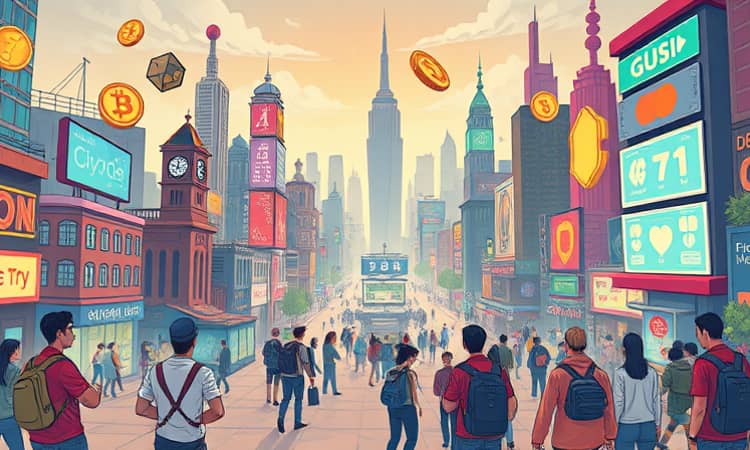
In recent years, the world of video gaming has undergone a profound transformation. Play-to-Earn (P2E) titles now allow participants to generate real economic value through immersive gameplay, recorded on public blockchains as tokens and NFTs.
As these ecosystems expand, they create mini-economies with hundreds of millions in Total Value Locked (TVL), blurring the lines between leisure and livelihood. Understanding this shift is essential for anyone seeking to benefit from—and help shape—the next frontier of interactive entertainment.
Understanding Play-to-Earn Economics
At the heart of every P2E game lies a carefully balanced economic framework built on three pillars: mechanism design, market design, and token design. Together, they fuel sustainable growth and long-term engagement.
- Mechanism design: Gameplay loops, incentive structures, and scope that reward skill and time investment.
- Market design: Multi-sided marketplaces, user-generated content incentives, and value sinks to maintain equilibrium.
- Token design: Supply controls, inflation management, governance roles, and real utility for in-game assets.
Researchers analyzed a dozen leading P2E titles to uncover how these pillars interact, targeting personas ranging from dedicated players to passive investors and NFT collectors.
Risks and Responsible Engagement
While P2E unlocks new earning possibilities, it shares features with traditional pay-to-win models that can resemble gambling behaviors. Recurring micro-transactions, progress-driven spending, and high-frequency engagement may lead to unhealthy patterns for some users.
Recognizing these dangers early can help you enjoy P2E gaming without overcommitment.
- Over-involvement: Excessive time or money spent chasing in-game rewards.
- Inflationary pressure: Token oversupply can erode asset value.
- Gambling spillover: High P2E spenders often show increased gambling activity.
Balance thrill with responsible strategies to ensure your gaming remains both fun and sustainable.
Strategies for Sustainable Play-to-Earn Participation
To thrive in P2E ecosystems, adopt thoughtful practices that protect your resources while maximizing upside potential.
- Research tokenomics: Understand supply curves, emission rates, and burn mechanisms.
- Set clear budgets: Allocate a fixed portion of your funds for in-game spending.
- Diversify across titles: Spread risk by engaging with multiple games and ecosystems.
- Engage with communities: Join developer forums and stakeholder groups to stay informed.
Research token supply and inflation before committing to any in-game economy, and adjust your strategy as projects evolve.
The Future of Gaming Finance Convergence
As metaverse initiatives accelerate, P2E models will interweave with broader decentralized infrastructures. Cross-world interoperability, token-based governance, and real-world value capture promise to reshape how we socialize, work, and earn online.
Developers are exploring mechanisms that grant players voting rights over game updates, reward long-term contributors, and integrate digital assets across virtual realms. This democratization can foster a sense of ownership and collective growth unmatched by traditional platforms.
Decentralized governance in virtual worlds will empower users to steer development, align incentives, and share in the rewards of community-driven success.
Ultimately, the convergence of gaming and finance invites us to reimagine our hobbies as potential income streams and communal ventures. By embracing innovation responsibly, you can help forge a sustainable, inclusive, and exciting digital economy.
Step forward into this dynamic landscape, armed with knowledge and vision. Together, we can empower your digital journey and unlock the full potential of Play-to-Earn and beyond.