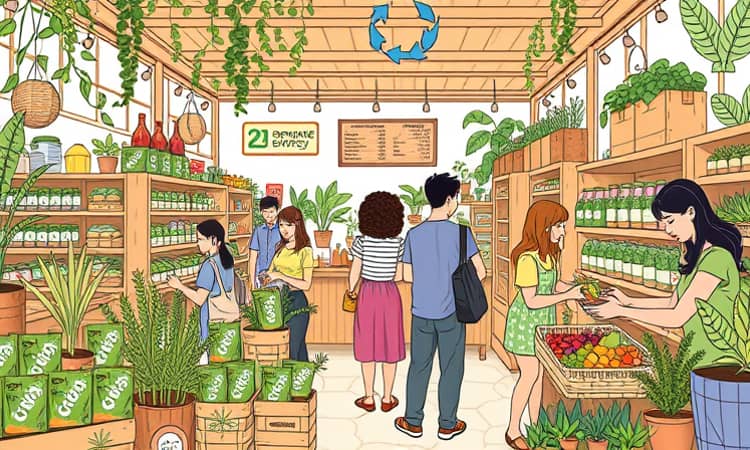
In the evolving retail landscape of 2026, shoppers are redefining value by aligning purchases with personal beliefs. Inflation, tariffs, and economic uncertainty no longer dictate every decision. Instead, individuals are choosing products that resonate with their ethics, health goals, and community aspirations.
This article explores how purpose-driven spending shapes markets and offers practical guidance for consumers and brands alike to thrive in this era of purposeful purchasing.
Embracing Value-Conscious Shopping
Today’s consumers practice an intentional recalibration of spending habits to balance budgets and values. Rather than indiscriminate consumption, they allocate more resources to saving, wellness, and meaningful experiences. At the same time, discretionary subscriptions, impulse buys, and non-essential items take a back seat.
Data confirms this shift: U.S. spending on eco-friendly retail reached eco-friendly and ethical products $230 billion in 2025 and is projected to soar to $544 billion by 2032—growing 173% faster than conventional retail. This momentum reflects a consumer base that expects sustainability as a baseline, not a luxury.
Trends Shaping Conscious Consumerism
Several forces converge to define the 2026 marketplace:
- Affordability remains a top priority, with 60% of purchase decisions driven by price considerations.
- Yet more than 80% of shoppers will pay up to a 5% premium for transparency, sustainability, inclusivity, and community credentials.
- Online social commerce accelerates, representing 17% of all e-commerce transactions, fueled by AI-driven recommendations and community feedback.
Consumers also display less brand loyalty, opting instead for one-off purchases that align with their current values. The result is a fragmented but optimistic market—optimism about personal finances outweighs broader economic skepticism.
Understanding Consumer Motivations
Behind each conscious purchase lies an emotional driver. For many, confidence in personal financial stability sparks readiness to invest in high-quality, durable goods. For others, the desire to reduce waste, lower carbon footprints, or support animal welfare fuels decisions.
Key motivations include:
- Reducing environmental impact: 72% of U.S. shoppers consider eco-friendliness essential.
- Supporting local and ethical sourcing: 44% are willing to pay more for transparent supply chains.
- Prioritizing health: durable, non-toxic products and wellness services gain share even amid inflation.
These drivers create opportunities for businesses to build lasting relationships by meeting authentic needs and offering proof of positive impact.
Data-Driven Growth Insights
Quantitative trends underscore the cultural shift towards responsibility:
These figures translate to a marketplace where nearly one in four purchases is eco-friendly today, climbing to one in three within a decade. Brands that ignore this tectonic shift risk obsolescence.
Practical Strategies for Purposeful Spending
Consumers seeking impact without overspending can take concrete steps:
- Bundle purchases: combine durable goods and warranties to maximize long-term value.
- Leverage community buying: join co-ops or group orders to access bulk discounts on sustainable items.
- Audit regular expenses: cancel unused subscriptions, redirect funds to wellness or charitable causes.
By reallocating just 10% of impulse spending, individuals free up hundreds of dollars annually for investments that strengthen health, environment, and local communities.
Adapting Brand and Retail Strategies
For businesses, alignment with consumer values is now a core competency. Leading companies adopt AI-driven personalization and social commerce tools to showcase how products support health, community, and planetary well-being.
Key actions include:
- Publishing full supply-chain transparency reports to earn trust.
- Integrating post-consumer recyclables and ethical labor standards into product lines.
- Offering loyalty bundles that reward sustainable behavior and healthy lifestyles.
Brands that invest in authenticity and accountability will capture share from the growing cohort of uncommitted, selective shoppers.
The Road Ahead: Balancing Passion and Prudence
Looking forward, the conscious consumer movement will continue to evolve. As sustainability expectations become universal, differentiation will hinge on community engagement, wellness integration, and technological innovation.
Consumers and brands both benefit by focusing on well-being, security, and personal growth—an ethos that transcends mere transactions. By consciously choosing where every dollar goes, individuals wield collective power to reshape industries and safeguard the future.
In 2026 and beyond, purposeful spending is more than a trend: it’s a declaration that value is measured not just in price tags, but in positive change for ourselves and the planet.