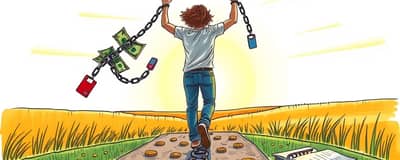
In an era of rising costs and mounting national obligations, personal debt can feel overwhelming. This guide offers balanced debt reduction and emergency savings strategies to reclaim control and cultivate lasting financial serenity.
National Debt Crisis: A Mirror for Personal Struggles
As of January 2026, the U.S. gross national debt has soared to $38.43 trillion, escalating by $2.25 trillion year‐over‐year. Projections now anticipate a staggering $64 trillion by 2036, with interest costs exceeding $1 trillion annually. This unsustainable fiscal trajectory endangers stability at both the public and household levels.
When the federal government allocates more resources to interest payments, essential services compete for shrinking budgets. Households, too, face a similar bind as credit card APRs linger above 22% despite rate cuts. In this context, personal financial health becomes inseparable from broader economic trends.
Personal Debt: Statistics and Pressures
Household balance sheets are under pressure. Approximately 70% of adults excluding mortgages carry an average $21,500 in personal debt, with credit card balances averaging $6,730—a rise of $820 since 2022. Delinquencies are emerging earlier as fixed costs outpace income growth, deepening stress and limiting options.
Retirement expectations intensify the squeeze: many believe they need $1.26 million to retire comfortably. Meanwhile, an example settlement reduces a $20,000 balance to $10,000, cutting monthly obligations by hundreds of dollars. Yet, for many, the gap between balances and income feels insurmountable without a clear plan.
Beyond numbers, the emotional toll is real: sleepless nights, strained relationships, and deferred dreams. Recognizing the problem is the first step toward relief.
Practical Debt Payoff Strategies
- Debt Snowball Method: Pay smaller balances first to build momentum and motivation.
- Debt Avalanche Method: Target highest‐interest obligations to minimize total interest paid over time.
- Consolidation: Transfer high‐interest balances to lower‐rate cards or loans if credit qualifies.
- Credit Counseling: Negotiate with creditors through nonprofit management plans.
- Forgiveness and Settlement: Explore negotiations to reduce principal on balances above 22% APR.
Each approach has its merits. Choose the one that aligns with your credit profile, personality, and timeline. Consistency and commitment are the keys to progress.
Budgeting and Financial Health Tips
- Begin with a comprehensive assessment of income, expenses, and debts.
- Automate savings contributions every month to build a 3–6 month emergency fund alongside debt payments.
- Prioritize high-interest debt first while maintaining essential living costs.
- Review insurance policies for potential savings and avoid unexpected expenses.
Revamping a budget can feel daunting, but even small shifts—cutting one discretionary expense or boosting income by side gigs—add up. The goal is to create a sustainable plan that protects you from future shocks.
2026 Collections Changes and Consumer Advice
- Digital-first communication boosts engagement between creditors and borrowers, making self-service portals the norm.
- Flexible payment plans can prevent accounts from entering formal collections if acted upon early.
- Federal enforcement pressures, including wage garnishments, underscore the importance of addressing unsecured debt promptly.
Proactive dialogue with creditors—using online tools or reputable agencies—often yields more favorable arrangements than ignoring statements or relying solely on phone calls.
Pathways to Financial Peace
Conquering debt is not merely a numerical challenge; it is a journey toward psychological freedom. By reducing balances, you create breathing room in monthly budgets and redirect funds toward savings, investments, or personal goals.
Implementing a dual strategy of repayment and saving transforms hardships into opportunities. A modest emergency fund guards against unexpected expenses, preventing reliance on high‐cost credit in future crises.
Ultimately, financial peace stems from consistent action, accountability, and a vision beyond present strains. As balances shrink and buffers grow, the outlook brightens, proving that avoid escalation to wage garnishments and gain control is within reach.
Embark on this path today: assess your situation, choose the payoff method that resonates, and commit to small, daily steps. The macro debt crisis may loom large, but personal resilience and disciplined planning can chart a course toward lasting stability.