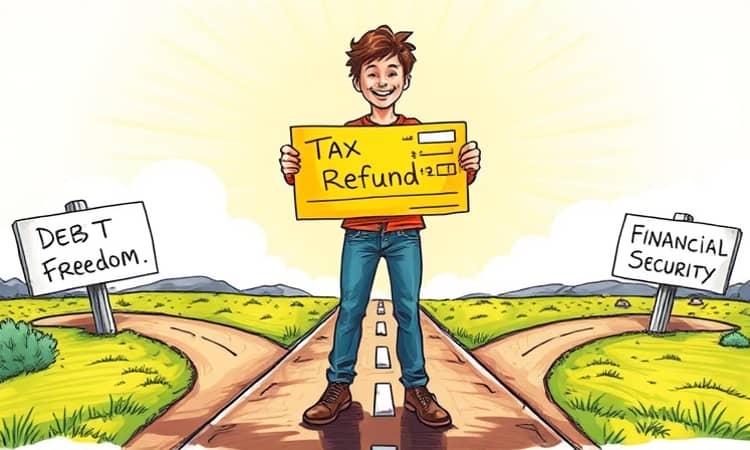
Every spring, millions of Americans eagerly await their tax refunds as a financial lifeline. In 2026, thanks to the Working Families Tax Cuts Act—often called the “OBBB” law—refunds are poised to be significantly higher refunds than ever. This article will guide you through leveraging that windfall to conquer your debt and build lasting financial health.
Understanding 2026 Tax Refund Trends
After average refunds of $2,939 in 2025, projections for 2026 indicate a surge to roughly $3,800–$4,000 per filer, driven by about $91 billion in retroactive relief. Combined refunds could hit $370 billion, a 26% jump year-over-year and 18% above 2025.
These enhanced refunds reflect multiple provisions of the OBBB law, from an expanded standard deduction to newly refundable credits, ensuring families across income levels receive reliable and meaningful financial relief.
Key Provisions Fueling Larger Refunds
The OBBB legislation contains several measures designed to boost taxpayer refunds:
- Larger standard deduction savings up to $555 for couples
- New tips deduction yielding an average $1,400 tax cut
- Auto loan interest deduction and refundable adoption credit
- Expanded SALT deduction changes benefiting middle-income filers
Together, these changes deliver roughly $135–$140 billion in targeted stimulus, elevating the potential refund for millions.
Strategies for Maximizing Your Refund
While the OBBB boosts the starting refund amount, you can take steps to optimize even further:
First, review your W-4 allowances after filing. Adjusting withholdings can help avoid underpayment penalties while ensuring you keep more cash throughout the year.
Second, claim all available credits, including the Earned Income Tax Credit, Saver’s Credit for retirement contributions, and energy-efficient home improvement credits. Contributing to an IRA by the filing deadline also reduces taxable income and may increase your refund.
Turning Windfalls into Freedom: Debt Reduction
For many, a lump-sum refund represents a rare opportunity to make a dent in lingering debts. Psychologists note that receiving a sizable check can provide the motivation to break debt cycles more effectively than monthly adjustments to paychecks.
Choosing the right payoff method can maximize both savings and momentum:
Actionable Steps to Allocate Your Refund Wisely
Rather than spending your refund instantly, follow these steps to ensure it catalyzes real progress:
- Create a detailed budget that lists all monthly expenses and debt obligations.
- Build or bolster an emergency fund—aim for at least $1,000 initially.
- Consider balance transfers to 0% introductory APR cards if high-interest balances remain.
- Negotiate lump-sum settlements, rate reductions, or fee waivers on older debts.
- Set up automatic payments and track milestones to celebrate progress.
- Explore debt consolidation loans or a credit counseling Debt Management Plan.
Tailoring Your Approach to Specific Debts
Not all debts are created equal. Customize your strategy based on your highest-impact opportunities:
Credit cards often carry the steepest interest rates, so prioritizing them with an avalanche approach can yield the greatest savings. Student loans may benefit from income-driven repayment plans or forgiveness programs; check whether refinancing or consolidating reduces your rate.
For mortgage debt, consider extra principal payments only after eliminating higher-interest obligations. And if you owe back taxes, an Offer in Compromise might allow you to settle for less than the full amount due.
Looking Beyond the Refund: Building Lasting Financial Health
A large tax refund is a gift, but sustainable wealth-building comes from consistent habits. After deploying this windfall toward debt, focus on:
- Maintaining an emergency fund that covers 3–6 months’ expenses
- Adopting automatic retirement contributions to grow long-term savings
- Reviewing your withholdings annually to avoid overpayment
By transforming a one-time refund into a springboard for enduring discipline, you’ll move steadily toward financial freedom.
In 2026, the stage is set for unprecedented tax refunds. Use this moment as a powerful lever—take control of your money story and chart a course toward a debt-free future.