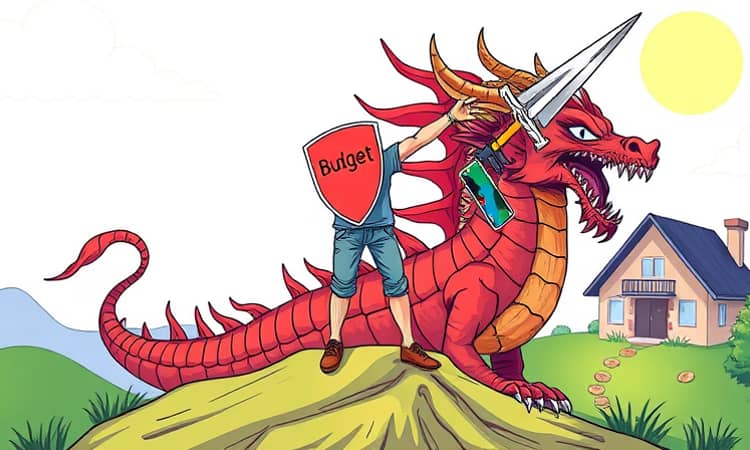
Debt can feel like a relentless dragon, breathing fire on your financial dreams and peace of mind.
But with the right strategies, you can slay this beast and reclaim your freedom.
In the US, household debt has reached staggering levels, but countless individuals have proven that victory is possible through discipline and smart planning.
This article will guide you through proven methods to conquer your debt, inspired by real success stories and backed by data.
Let's embark on a journey to transform your financial life and achieve lasting peace.
The Alarming Reality of US Household Debt
Understanding the scale of the problem is the first step toward solving it.
Total US household debt hit $18.4 trillion in Q2 2025, with credit card balances alone exceeding $1.21 trillion.
This immense burden affects millions, as 70% of Americans hold personal debt outside mortgages, averaging $21,500 per person.
Delinquency rates are at their highest since 2012, with 4.4% of all debt in some stage of late payment.
These statistics highlight the urgent need for effective debt management in today's economy.
Many people feel overwhelmed, but as we'll see, there is hope and a clear path forward.
Key Strategies to Conquer Your Debt
Overcoming debt requires a mix of practical tactics and mental resilience.
Start by building a realistic budget that aligns with your financial goals.
- Use the 50/30/20 rule: allocate 50% to essentials, 30% to discretionary spending, and 20% to debt repayment and savings.
- Track your income and expenses meticulously to avoid falling behind and identify areas for improvement.
Next, focus on high-interest debts first to minimize long-term costs.
- List all debts by interest rate and prioritize extra payments on the highest ones, such as credit cards.
- This approach, known as the avalanche method, can save you thousands in interest over time.
Consider consolidation options to simplify your payments and reduce stress.
- Debt consolidation combines multiple debts into one lower-interest loan, potentially cutting monthly payments significantly.
- For example, some have reduced payments from $3,700 to $1,600, making repayment more manageable.
Leverage digital tools and early intervention to stay on track.
- Automate payments to ensure consistency and avoid late fees, embracing the pay yourself first principle for savings.
- Engage with creditors early if you face hardships, as many offer temporary relief programs or payment plans.
Balance transfers to 0% intro APR cards can provide breathing room, but use them wisely to avoid new debt.
Remember, the goal is to create a sustainable plan that fits your lifestyle and prevents future setbacks.
Inspiration from Real-Life Debt Warriors
Hearing from those who have conquered debt can fuel your motivation and provide practical insights.
Below is a table of individuals and couples who turned their financial struggles into success stories.
These examples show that with determination and the right strategies, anyone can achieve financial freedom.
Notice how many used debt management plans and proactive steps to regain control.
The Psychological Freedom of Being Debt-Free
Slaying debt isn't just about numbers; it's about reclaiming your mental and emotional well-being.
Reducing debt lowers stress and restores a sense of control over your life.
- It protects your credit score, opening doors to future opportunities like homeownership or travel.
- Many report a huge relief and newfound confidence after paying off their balances.
This transformation goes beyond finances, fostering discipline and financial savvy that last a lifetime.
As Mel and Murph Stewart shared, it's an emotional journey that helps move past hurt and pain.
Ultimately, being debt-free enables you to focus on what truly matters, such as family, charity, or personal dreams.
Navigating 2026: Trends to Watch
As we look ahead, staying informed about financial trends can enhance your debt-slaying efforts.
In 2026, mindful spending is on the rise, with 59% of people planning to cut small daily purchases.
- This shift from impulse spending to a balanced mindset is key for long-term success.
- Proactive, digital-first approaches are becoming essential, using analytics for better recovery.
Lenders expect slower loan growth until credit improves, emphasizing the importance of early engagement.
For those nearing retirement, clearing debt frees up funds for savings and legacy goals, like funding education.
Embrace these trends by integrating digital tools and maintaining a forward-thinking attitude in your financial plan.
Your Path to Financial Victory
Now that you have the strategies and inspiration, it's time to take action.
Start by assessing your current debt situation honestly and without judgment.
- Create a detailed list of all debts, including balances, interest rates, and minimum payments.
- Set realistic goals, such as paying off a specific amount within a year, and celebrate small wins along the way.
Implement the 50/30/20 budget or a similar framework that works for you.
Explore consolidation options if they align with your needs, but avoid taking on new debt.
Stay consistent with automated payments and regular check-ins to monitor progress.
Remember, slaying your debt dragons is a journey that requires patience and perseverance.
With each step, you'll move closer to a life of financial freedom and endless possibilities.