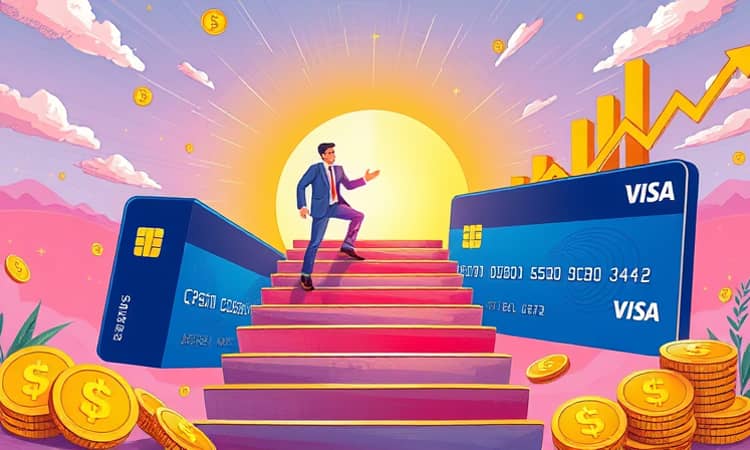
As credit card balances in the United States soar beyond record highs, individuals and families face mounting pressure to stay afloat in a sea of rising interest rates and growing debt. According to the latest data, total U.S. credit card debt reached $1.277 trillion in Q4 2025, marking the highest total since tracking began in 1999 and representing a 66% increase over four years.
In this environment, adopting consistent, intelligent credit card habits is not just a recommendation—it is a necessity. By understanding the landscape and applying proven strategies, you can transform credit cards from potential pitfalls into tools for financial empowerment.
Understanding the Credit Card Debt Landscape
The national average debt among cardholders with unpaid balances climbed to $7,886 per household in Q3 2025, up 2.8% from earlier in the year. This trend spans the nation: the Northeast and West lead with state averages near $9,750, while Southern states such as Mississippi and Arkansas carry averages below $5,300. Washington state experienced an 11.8% year-over-year increase, even as New Mexico saw a 10.3% decline.
Whether you live in a high-balance metropolitan region or a lower-cost rural area, understanding these broader patterns can inform your approach to credit management and inspire confidence in your ability to adapt.
Demographic and Behavioral Patterns
Research consistently shows that education and household characteristics strongly influence payment behavior. Individuals with a university degree are 13% more likely to pay off balances and 19% less likely to skip or delay payments compared to those without a high school diploma. This highlights the impact of education significantly predicting repayment behavior.
Households facing greater challenges often include younger families or those led by single parents with limited financial buffers. In contrast, families with savings, investment portfolios, or open lines of credit demonstrate more stable repayment habits. Even paradoxically, those expecting financial hardship sometimes prioritize debt reduction, revealing a mindset of caution in uncertain times.
Core Smart Credit Card Habits
At the foundation of financial health is disciplined payment management. To build and maintain strong habits, endeavor to establish unwavering monthly payment routines that keep debt in check and interest costs to a minimum.
- Pay your balance in full each month to avoid high-interest charges entirely
- Resist the temptation to make only minimum payments, which prolong debt and increase total cost
- Set up automatic monthly payments that cover at least the full statement balance
- Review your statements promptly, verifying every charge for accuracy
Equally essential is controlling how much of your available credit you use. Maintaining a healthy utilization rate signals responsibility to lenders and supports higher credit scores. Strive to keep your utilization in check with thoughtful spending and timely payments.
- Limit credit utilization below thirty percent for optimal scoring
- Use credit cards primarily for planned purchases rather than impulsive buys
- Request periodic credit limit increases to lower utilization ratios
- Monitor your monthly spending trends and adjust as needed
Building Long-Term Financial Resilience
Beyond monthly cycles lies the broader goal of financial resilience—preparing for emergencies and life changes without falling back on high-cost borrowing.
- Build an emergency savings fund with three to six months of living expenses
- Maintain a mix of credit types, including lines of credit or personal loans at lower rates
- Monitor your credit report regularly for errors or signs of identity theft
- Review and adjust your credit card lineup annually to align with evolving goals
By combining a robust emergency fund with strategic credit diversification, you create a safety net that reduces reliance on credit cards as primary support during unexpected financial shocks.
Leveraging Consumer Protections
Credit cards provide fraud protection for unauthorized charges, shifting liability away from the cardholder in most cases and offering peace of mind when transactions go awry.
Extended warranties and purchase protection come standard on many premium cards, delivering added security for valuable acquisitions like electronics and appliances. These features can save you money on repairs or replacements.
When purchases fail to meet expectations, robust dispute resolution processes allow you to file claims smoothly, supported by comprehensive chargeback mechanisms that safeguard your interests.
The Role of Education and Regulation
Improving financial education is one of the most effective ways to reduce credit card burdens. Offering accessible resources on budgeting, interest management, and credit scoring can empower individuals to take control of their financial destinies.
Regulatory frameworks also play a critical role. Interest rate caps, transparency requirements, and restrictions on high-cost lending products can limit predatory practices, fostering a healthier credit ecosystem for consumers of all income levels.
Conclusion
In a world where credit card debt has reached record-high national levels, proactively shaping your borrowing habits is essential for sustained financial wellbeing. Begin by automating full-pay cycles and tracking utilization diligently. Harness the power of strategic credit use to maintain flexibility without succumbing to mounting interest.
Credit cards, when managed wisely, become more than payment tools—they become stepping stones toward broader financial goals. Cultivate these habits, stay informed about your rights and protections, and commit to ongoing learning. Over time, you will transform your relationship with credit, turning potential liabilities into assets that build enduring financial strength.