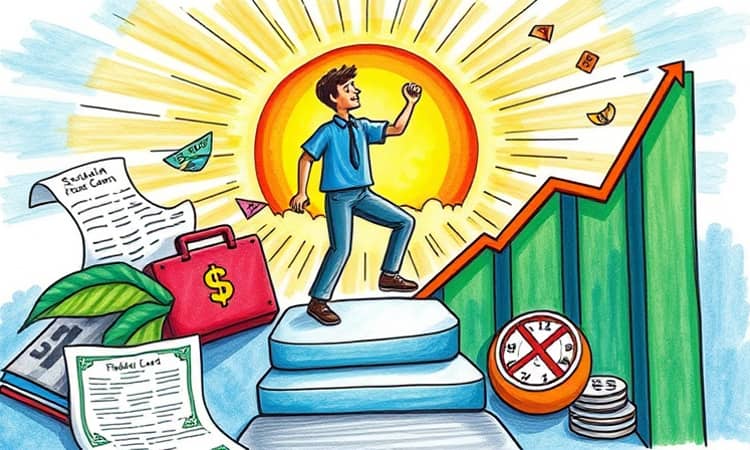
Entering 2026, millions of Americans are staring down the barrel of mounting balances and rising interest rates. With consumer debt riding high and federal obligations swelling alongside economic uncertainty, taking control of your financial future has never been more urgent. This guide lays out proven strategies to regain your financial freedom, blending data-driven insights with actionable steps that anyone can follow.
By understanding the landscape—where U.S. consumers hold an average total debt balance of $104,755 and credit card obligations average $6,735 per person—you’ll learn how to prioritize, plan, and ultimately overcome your personal debt mountain.
Understanding Your Debt Landscape
Before diving into repayment tactics, it’s essential to take a clear inventory of what you owe. Consumer credit card balances rose by 2.3% year-over-year in 2026 forecasts, even as student loan balances saw a modest decline of 1.98% YoY in late 2023. Yet the burden remains heavy: federal student loans total $1.64 trillion, with delinquency rates near 10.0%, while private loans hit 1.62%. On a macro scale, federal debt held by the public has reached 99% of GDP and may climb to 102% by 2026.
These statistics underline a dual reality: individual borrowers must act decisively, and strategic planning can slash the time, cost, and stress of repayment. With a solid grasp of your balances and rates, you’re ready to select the method that fits your personality, budget, and timeline.
Choosing Your Debt Reduction Method
There is no one-size-fits-all solution for debt repayment. Your choice hinges on your psychological drivers and financial goals. Two popular approaches dominate the field:
- Debt Avalanche Method: Prioritizes the debt with the highest interest rate first. By attacking the most expensive balances, you minimize interest costs over time and save the most money overall. This method demands discipline but rewards with maximum dollar savings.
- Debt Snowball Method: Focuses on the smallest balance first, delivering quick psychological wins. Paying off those tiny balances fuels motivation and builds momentum, though it may cost more in interest. If sticking to a plan is your biggest hurdle, this approach keeps you engaged.
Another powerful strategy is debt consolidation, which merges multiple debts into a single loan or 0% APR balance transfer card. Consolidation offers a fixed APR and single monthly payment, simplifying your workflow and potentially freezing interest accrual. However, watch out for transfer fees and introductory periods.
Leveraging Spreadsheet Tools for Clarity
Organizing your debts and forecasting payoff scenarios is easier when you harness the power of a well-designed spreadsheet. Two standout tools can transform your plan from abstract hope into concrete numbers:
By entering your balances, rates, and income details, you can instantly see which strategy—avalanche or snowball—saves you the most and how quickly you’ll emerge debt-free. Visual charts and dashboards provide the motivation you need to stay on track.
Budgeting to Accelerate Your Progress
To free up cash for extra debt payments, evaluate every dollar you spend. Start by distinguishing needs vs. wants—essentials like housing, utilities, and groceries versus streaming services, dining out, and impulse buys. Adopting the 50/30/20 rule helps frame your decisions:
- 50% of net income on essentials, including minimum debt payments
- 30% on discretionary spending, with room for occasional treats
- 20% to savings and additional debt repayments
Cancel underused subscriptions, shop sales, and cook at home to trim expenses. At the same time, explore side gigs or freelance work to boost your monthly income. Even a modest increase can shave months off your payoff timeline.
Always balance debt repayment with building an emergency fund. Having at least one month’s worth of expenses in reserve prevents a single setback from derailing your progress.
Additional Support and a Long-Term Mindset
Don’t hesitate to seek professional guidance. Credit counseling agencies can negotiate with creditors, structure repayment plans, and provide ongoing accountability. Just be cautious of debt relief scams that may carry hidden fees or tax liabilities.
For those grappling with student loans, federal forgiveness programs like PSLF can offer relief. With a 3.3% approval rate but billions forgiven, it’s worth exploring if you’re eligible under public service criteria. Similarly, Teacher Loan Forgiveness and income-driven repayment plans can substantially reduce your burden over time.
Staying motivated on a multi-year journey requires both celebration and reflection. Track your progress visually, delete paid-off creditors one by one, and reward yourself for milestones—small victories keep momentum alive.
Broader 2026 Context and Warnings
As the federal deficit nears $1.7 trillion (5.2% of GDP) and national debt climbs above 100% of GDP, individual action serves as a hedge against macroeconomic risk. Millions start the year shackled by debt, but each repayment empowers not just a personal outcome, but collective financial resilience.
Consider using debt reduction kits that simulate scenarios under different interest rates or budget adjustments. Combining inventory, method selection, consolidation, and disciplined budgeting creates a comprehensive roadmap to freedom.
Your financial future is in your hands. By taking inventory, selecting the right repayment strategy, leveraging powerful tools, and maintaining a long-term mindset, you can slash your debt, reduce stress, and reclaim control. Begin today, stay committed, and watch your efforts compound into genuine, lasting relief.