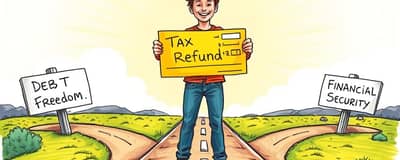
In today’s world, mounting bills and interest charges can feel like a heavy anchor dragging you under. Yet, every journey toward financial freedom begins with a single, deliberate step. By understanding the root causes of debt and deploying proven strategies, you can transform stress into momentum.
This article offers an inspiring roadmap, blending emotional encouragement with practical, actionable guidance. Whether you’re staring at high credit card balances or medical bills, you’ll discover how to reclaim control of your money and build a brighter future.
Before diving into solutions, it’s crucial to grasp the scale of the challenge facing millions of Americans. With credit card debt soaring and interest rates stubbornly high, smart planning has never been more important.
Understanding Your Debt Landscape
Nearly $1.2 trillion in credit card debt looms over households nationwide, with average balances climbing to $6,730 in late 2024. Meanwhile, the average consumer carries over $21,500 in personal debt outside mortgages. These figures aren’t just numbers—they represent sleepless nights and limited choices for millions.
Interest rates above 22% on revolving credit can turn a modest balance into a mountain. Even diligent minimum payments often barely chip away at the principal, prolonging stress and deferring freedom.
This snapshot underscores the urgency: high-interest debt and rising living costs—groceries up 25–30% since 2020—create a perfect storm. Yet knowledge is power. By mapping your obligations, you turn confusion into clarity.
Strategies to Tackle High-Interest Debt
When interest is your biggest obstacle, targeted action can yield dramatic results. Consider consolidating balances or negotiating directly with creditors. Each approach has strengths; the right choice depends on your unique circumstances.
Using debt snowball or debt avalanche methods gives you structure and momentum. Whether you focus on smallest balances first or highest rates, you’ll see progress that fuels continued action.
- Balance transfers: move high-rate cards to a 0% introductory APR card.
- Consolidation loans: combine multiple debts into one payment at a lower rate.
- Credit counseling: enlist nonprofit agencies to negotiate rates on your behalf.
For those facing steep medical bills, settlement may be an option. By negotiating a lump-sum payment, you could reduce owed amount through creditor negotiations by 30–50%, instantly easing monthly burdens.
Budget Management and Financial Planning
Debt reduction and budgeting go hand in hand. A realistic, flexible budget reveals hidden spending leaks and helps you direct resources where they matter most.
Start by tracking every dollar for a month. Record essentials—rent, utilities, groceries—and discretionary expenses. You’ll quickly spot subscriptions or impulse purchases draining your account.
- Revamp your budget: allocate fixed amounts for savings and debt payments.
- Automate savings: set up automatic transfers to an emergency fund.
- Increase income streams: consider side gigs or selling unused items.
By treating savings as a nonnegotiable expense, you build both security and discipline. This pairing of savings and debt reduction forms a sustainable, balanced financial approach that can weather unexpected storms.
Leveraging Digital Tools and Support
Modern technology offers unprecedented convenience for debt management. From mobile apps that send payment reminders to online portals enabling self-service, digital tools reduce friction and keep you on track.
Look for platforms that provide clear dashboards of your loan balances and payment schedules. When creditors offer flexible payment options—especially early in delinquency—you’ll find it easier to stick to your plan.
Engaging digitally also empowers you to quickly adjust budgets when life changes. With real-time updates on spending and upcoming bills, you maintain a clearer sense of control over your finances.
Building Lasting Financial Health
As balances shrink and savings grow, you’ll experience rising confidence. This momentum fuels further progress: good payment habits improve your credit score, unlocking lower rates in the future.
The average U.S. FICO score of 715 sits comfortably in the ‘good’ range. By maintaining timely payments and limiting new credit inquiries, you keep your score on an upward trajectory.
Long-term goals—retirement savings, a home down payment, or a child’s education fund—become attainable once debt is under control. Every dollar freed from interest is a dollar you can invest in your dreams.
Putting It All Together
Debt reduction is not a one-size-fits-all journey. It’s a mosaic of strategies—consolidation, settlement, budgeting, and digital engagement—woven together by consistent action. The path may have detours, but each step forward brings you closer to financial peace.
Remember, early-stage intervention produces higher recovery rates. The sooner you start, the more options you unlock and the less you’ll pay in long-term interest.
Now is the time to simplify your spending, confront debt head-on, and reclaim your future. With clear goals, practical tools, and unwavering commitment, you’ll transform worry into empowerment and build the life you deserve.