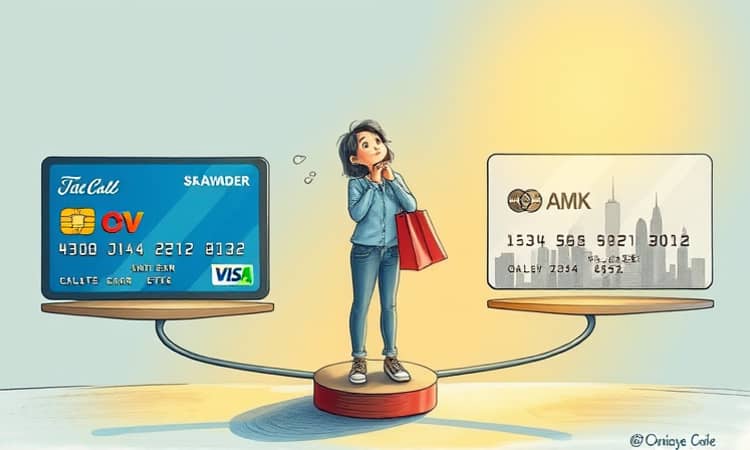
As consumers navigate a world awash in payment options, retail credit cards have surged in popularity, promising exclusive savings and instant benefits. More than ever, people wield cards instead of cash—comprising roughly 31% of all payment transactions in the United States. With retailers offering perks like instant discounts, special financing, and loyalty rewards, it’s tempting to apply for a new store card at checkout. But are these cards genuinely worth it, or do they carry hidden pitfalls?
In this comprehensive guide, we’ll unpack the essential facts about store credit cards, weigh their pros and cons, and offer practical advice to help you make an informed choice. By the end, you’ll understand when to embrace a retailer’s credit offer and when to seek alternatives.
What Are Store Credit Cards?
Store credit cards—often called retail cards—are revolving lines of credit issued directly by individual brands or co-branded with major networks like Visa and Mastercard. Unlike general-purpose cards, most store cards operate on a closed-loop network restricted to one retailer. You earn rewards, discounts, and promotional financing that can only be redeemed at the issuing store or its website.
New credit users find these cards appealing because issuers typically impose more lenient approval criteria than banks. Such accessibility helps boost credit mix and, when managed responsibly, can bolster your credit score through timely payments and maintained low balances.
The Benefits of Store Credit Cards
For frequent shoppers at a particular retailer, a store card can unlock valuable advantages—especially during seasonal sales and exclusive promotions.
- Immediate savings at checkout, often 5% or more off regular prices.
- Tiered rewards unlocked with increased spending, leading to deeper discounts.
- Special financing plans, such as interest-free periods on large purchases.
- Personalized offers and early access to sales events reserved for cardholders.
- Opportunities to build credit history through consistent, on-time payments.
When used strategically, these perks translate into real savings on furniture, electronics, apparel, and more—especially if you pay balances in full before any promotional period ends.
Risks and Drawbacks of Store Credit Cards
However, store cards carry notable risks that can outweigh their benefits for less disciplined shoppers.
- Higher interest rates than general cards, often exceeding 30% APR if you carry a balance.
- Deferred interest traps, where unpaid promotional balances accrue retroactive finance charges.
- Limited usability restricted to the issuing retailer, reducing redemption flexibility.
- Multiple applications lead to hard inquiries, potentially temporarily lowering your credit score.
If you miss a payment or fail to clear the balance by the end of an interest-free period, you could face steep costs that quickly offset any initial discounts.
Comparing Store Cards to General-Purpose Credit Cards
To see how store cards stack up against broader-use cards, consider the following comparison table:
Common Mistakes and How to Avoid Them
Even savvy shoppers can stumble when chasing discounts. Here are frequent pitfalls to watch out for:
Overspending to reach reward thresholds often backfires; save only when you genuinely need the items. Neglecting to redeem accumulated points wastes potential value and leaves rewards to expire. Most dangerously, carrying a balance after a promotional period can trigger massive retroactive interest charges, negating any discounts earned.
Alternatives to Store Credit Cards
If you’re seeking flexible rewards without retailer restrictions or high APRs, consider these options:
- General rewards cards offering bonus points on travel, dining, gas, and groceries.
- Flat-rate cash back cards providing consistent percentages on every purchase.
- Secured credit cards that help build or rebuild credit with a refundable deposit.
- Shopping apps and browser extensions delivering coupons, cash back, and price comparisons without credit inquiries.
Making an Informed Decision
Choosing whether to open a store credit card boils down to your shopping habits, financial discipline, and risk tolerance. Ask yourself:
- Do you shop regularly at the retailer and plan to pay balances in full?
- Are the exclusive discounts significant enough to outweigh potential interest costs?
- Can you manage multiple hard inquiries without hurting your credit score?
- Have you read all terms, fees, and fine print carefully before applying?
By weighing the tangible savings against potential finance charges and assessing your ability to pay on time, you can decide if a store card fits your financial strategy. Whether you opt for exclusive retail perks or broader rewards, the key is responsible use and clear-eyed planning. Armed with this knowledge, you’re ready to navigate the world of credit cards with confidence and purpose.