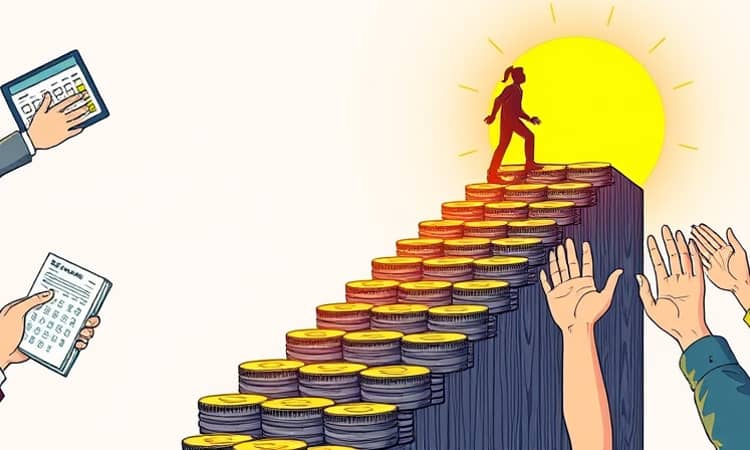
Households across the nation entered 2026 burdened by a record $18.6 trillion in total debt, pandemic savings depleted and costs soaring. With holiday overspending, rent hikes and medical bills pushing many to the brink, Americans need both inspiration and practical tools to navigate this challenge. Yet, within the pressure lies an opportunity: early tax refunds in Q1 offer a critical window for debt recovery. This article guides you through assessment, planning and sustainable habits to reclaim financial stability.
Understanding the Current Debt Landscape
By late 2025, 70% of renters reported moving due to rising housing costs, and over 40% of parents turned to debt to cover medical care. While the Federal Reserve cut interest rates to the mid-3% range, businesses still face refinancing at rates far above the 2010s. Even with corporate defaulted debt halved to $7.2 billion in January 2026, small business defaults remain a concern in major metros.
The federal deficit surged to $1.8 trillion in FY2025, with interest payments climbing $58 billion. Personal bankruptcies rose 10.6% year-over-year through September 2025, with a forecasted uptick in Chapter 7 filings. In this environment, strategic action is vital: without a clear plan, many will slip deeper into the cycle of borrowing.
Strategies for Personal Debt Recovery
Effective recovery combines honest assessment, prioritized budgeting and proactive negotiation. Start by listing every liability—credit cards, loans, medical bills—alongside income, expenses and assets. Identify your triggers: unexpected medical crises, job changes or overspending. From there, follow these eight core steps:
- Assess the damage honestly: Document every balance and expense; confront the root causes.
- Prioritize expenses and bills: Cover housing, food and utilities first; minimize nonessentials.
- Contact creditors early: Negotiate terms before accounts age or collections begin.
- Create a repayment plan: Choose a method that fits your goals and income.
- Build an emergency fund: Aim for three to six months of essentials.
- Increase income streams: Side gigs, asset sales or career moves.
- Set goals and monitor progress: Use budgeting tools and regular check-ins.
- Avoid new debt: Commit to living within your means during recovery.
Among these, selecting the right repayment structure can transform your outlook. The following table outlines popular methods, their mechanics and their long-term benefits.
Leveraging Early 2026 Tax Refunds
Changes in the tax code and withholding adjustments mean many households will see larger-than-normal tax refunds in March. This temporary boost can be used strategically: prioritize past-due accounts, negotiate settlements or make lump-sum payments on high-interest balances. Creditors are often more receptive when funds are available, leading to reduced pay off amounts and lower fees.
However, this liquidity is fleeting. Once rent and utilities claim the majority, your capacity to repay declines rapidly. To maximize impact, draft your repayment plan before the refunds arrive and allocate funds in line with your highest-priority debts.
Business Debt Recovery Insights
Businesses face parallel challenges. With tariffs pushing costs up by $80.3 billion year-over-year and refinancing still expensive, maintaining healthy cash flow is critical. Companies that outsource over 50% of invoices aging past 90 days achieve 3.8 times higher recovery rates. Early collections efforts and automated reminder systems can reduce aging and improve capital availability.
High-risk metros see continued defaults among small enterprises: 43.1% carry less than $5,000 in debt, and 25.1% of those seeking credit receive only partial approvals. A data-driven monitoring system that tracks accounts receivable aging and flags trouble spots can help align collection strategies with real-time insights.
Building a Secure Financial Future
Rebuilding extends beyond a single quarter. Sustainable stability demands new habits: consistent budgeting, vigilant account monitoring and periodic reassessment. Consider working with a credit counselor or financial coach to reinforce accountability. Over time, small wins—like paying off a credit card or growing your emergency savings—compound into lasting confidence.
For businesses, embedding automation into your 2026 playbook ensures early outreach and streamlined negotiations. For individuals, adopting the snowball or avalanche method can deliver both psychological momentum and tangible interest savings. Ultimately, the key lies in combining data-driven monitoring and timing with disciplined execution.
No matter the path you choose, remember that debt repayment is not a race but a journey. Each step forward is an investment in your future freedom. By assessing honestly, prioritizing strategically and leveraging every resource—especially the early 2026 tax refund window—you can transform a burden into a catalyst for growth. The roadmap is clear, the tools are at your disposal, and your regained financial health awaits.