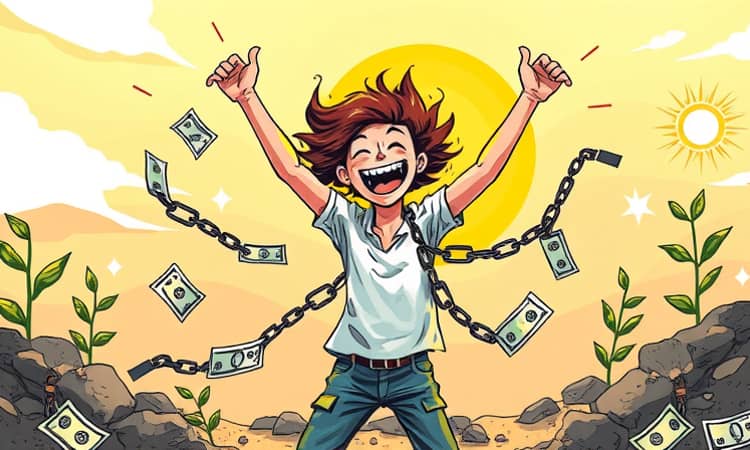
Debt has become a defining feature of modern life, affecting millions of people around the globe. Rather than seeing debt as a personal failing, we need to recognize it as part of a broader economic and cultural landscape. This article will guide you through an inspiring journey of introspection and practical action, so you can transform your financial reality and cultivate a healthier relationship with money.
A New Normal: Debt in Modern Life
The numbers are staggering: total U.S. consumer debt surpassed $18.1 trillion going into 2026, while credit card balances alone reached $1.23 trillion. Nearly half of American cardholders carry a balance month to month, and many have been stuck for years. Globally, governments and corporations are borrowing record amounts, making indebtedness a systemic norm rather than an individual aberration.
When debt feels inescapable, toxic shame can dominate your thoughts. Yet, the truth is that debt isn’t just an individual failing; it’s woven into policies, cultures, and market forces. Understanding this macro context helps reframe personal guilt and opens the door for collective compassion and self-forgiveness.
The Emotional Cost of Debt
Behind the numbers lies a human story of pain and resilience. Research shows that over 1.5 million people in England suffer from both problem debt and mental health issues, with 86% reporting that money troubles worsened their emotional well-being. Feelings of guilt, shame, and chronic stress become daily companions, while isolation grows as social activities feel unaffordable.
- Guilt for simple purchases, even essentials
- Shame after deviating from a budget
- Stress handling complex creditor communications
- Tiredness and feeling emotionally worn down
These emotions fuel a vicious cycle: poor mental health leads to avoidance or impulsive spending, which deepens debt and further erodes well-being. Recognizing debt as both a financial and emotional challenge is the first step toward deeper emotional understanding of debt and breaking this cycle.
Rewriting Your Money Story
Each of us carries a unique “money story” shaped by childhood messages, cultural norms, and past successes or failures. Limiting beliefs like “I’m just bad with money” or “I’ll never get ahead” often act as self-fulfilling prophecies, driving avoidance and impulsive behaviors.
- From “I’m chaotic with money” to “I’m building systems and structure”
- From “Debt proves I’m irresponsible” to “Debt is data, not worth”
- From “I can’t ask for help” to “Seeking support is strength”
Try writing your own money story: note early memories, recurring self-talk, and the beliefs that hold you back. Then craft an identity-level shift in money mindset by defining who you want to become—a financially empowered person who learns from every choice and actively shapes their future.
Building Financial Intimacy
Money secrets can erode trust in relationships, turning shared lives into lonely journeys. Financial intimacy—open, vulnerable conversations about money history, values, and mistakes—can deepen connections and align partners toward common goals.
Start by sharing your money story with empathy in mind, and invite your partner to do the same. Establish “yours, mine, and ours” accounts to balance autonomy and joint responsibility. This vulnerability and trust around money fosters equality and respect, replacing judgment with collaboration.
Practical Strategies to Tame Debt
Credit card APRs near 23% can make minimum payments feel like a never-ending treadmill. Recognizing when to bring in professionals is part of the mindshift. Structured debt management programs (DMPs) offer an alternative, often reducing rates to 8–10% and providing ongoing support.
For some, balance transfers or consolidation loans may suffice, while others with lower credit scores benefit more from DMPs. Crunch the numbers: paying 23% interest on a $10,000 balance for years versus settling at 9% can save thousands over time.
Core Mindset Shifts for a Healthier Relationship with Debt
- View debt as a temporary data point, not a life sentence
- Celebrate small victories to build financial resilience
- See seeking help as taking responsibility, not failure
- Embrace a learning mindset over perfectionism
Remember, the next chapter in your money story is waiting to be written. By reframing debt, honoring your emotions, rewriting limiting beliefs, fostering financial intimacy, and deploying practical tools, you can cultivate lasting change.
Your journey from burdened debtor to empowered steward of your finances begins with a single shift in perspective. Embrace this process with compassion, curiosity, and courage. Financial freedom is a series of choices, each one an opportunity to align your actions with your highest aspirations.