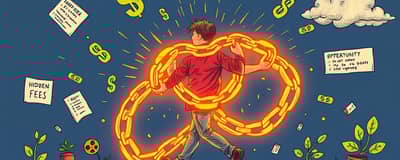
In early 2026, US households carry a staggering $18.04 trillion in total debt, with credit card balances alone surging by 14.7% year-over-year to $1.21 trillion. Mortgages have stabilized at $12.61 trillion, but student and auto loan pressures persist. Against this backdrop of rising delinquencies, shrinking GDP growth, and tighter credit conditions, you hold the power to reshape your financial destiny. This article will guide you through understanding your obligations, crafting a resilient budget, applying proven repayment methods, and navigating a fast-evolving collection landscape with confidence and clarity.
Understanding Your Debt Landscape
Before embarking on any payoff plan, perform a comprehensive audit of every liability on your balance sheet. Secured obligations—mortgages ($12.61 trillion) and auto loans ($1.66 trillion)—carry serious collateral risk, while unsecured debts—credit cards ($1.21 trillion) and student loans ($1.62 trillion)—are driving record delinquency rates as federal forbearance ends.
Consider macroeconomic forces: Deloitte projects US GDP growth slows to 1.4% in 2026, unemployment hovers at 4.5%, and asset appreciation outpaces productivity gains by more than double. Consumers are stretched thin: 75% ignore unknown calls from collectors, and hardship programs are more limited than ever.
Assess your secured and unsecured balances by listing each account, interest rate, minimum payment, and due date. Identify priority debts—mortgages first, then any federally backed loans—while noting which accounts pose the highest immediate risk to your credit and cash flow.
Budgeting Foundations
At the heart of sustainable debt control is a flexible yet disciplined budget. The classic 50/30/20 rule offers a solid framework: allocate 50% of take-home pay to necessities (including debt payments), 30% to discretionary spending, and 20% to savings or accelerated debt reduction.
- List all monthly obligations—mortgage or rent, utilities, minimum debt payments, groceries—then classify discretionary costs.
- Trim non-essentials: cancel unused subscriptions, cook at home, and avoid impulse purchases.
- Track daily expenses using apps like TD MySpend, YNAB, or a simple spreadsheet to visualize spending leaks.
- Automate transfers to savings or debt accounts to reinforce consistent repayment habits.
Simultaneously, build a small emergency fund of $1,000 to prevent new borrowing during unexpected events. This buffer reduces reliance on credit cards and safeguards the progress you’ve made.
Core Repayment Strategies
Choosing the right payoff strategy is both art and science. Here are three proven methods, each suited to different personalities and financial situations:
The Avalanche method is mathematically superior in interest savings, while the Snowball approach leverages psychological momentum. Consolidation can streamline your payoff but watch for balance-transfer fees and introductory rates that may expire.
Advanced Tactics
Once you’ve chosen a primary strategy, enhance your progress with these advanced techniques:
- Pay above the minimum regularly to chip away at principal and reduce interest charges over time.
- Allocate windfalls—tax refunds, work bonuses, gifts—to lump-sum debt payments rather than spending.
- Negotiate with creditors for hardship plans, rate reductions, or one-time settlement offers.
- Reinforce your emergency fund to cover three to six months of essentials, avoiding new credit usage.
- Boost income through side hustles or freelance gigs and direct all extra earnings toward debt.
By combining these tactics with your chosen method, you’ll accelerate your payoff schedule and unlock financial freedom sooner.
Navigating Collections in 2026
Today’s collection landscape is dominated by digital-first strategies. AI and analytics boost agent productivity by up to 30%, reduce non-performing loans by 20–25%, and drive 65% higher recovery rates in some implementations. Yet consumers often ignore unknown calls, forcing agencies to rely on text, email, and chat for early interventions.
- Respond promptly to all outreach, even if you can only commit to a small payment.
- Request flexible payment arrangements and document agreements in writing.
- Use ACH or digital wallet options to ensure timely transfers and avoid missed deadlines.
Early engagement preserves your negotiation power, reduces late fees, and helps you avoid escalations such as wage garnishments or lawsuits.
Long-Term Prevention
After you conquer your debt, commit to practices that keep you on solid ground. Aim to cap all credit payments at 20% of your monthly income. Maintain an emergency reserve equal to three to six months of living expenses. Schedule quarterly budget reviews and set alerts on your accounts to catch irregularities early.
Consider working with a certified credit counsellor or financial planner to craft customized roadmaps, optimize tax strategies, and explore wealth-building vehicles—all while safeguarding against future debt pitfalls.
Case for Action
The sheer weight of US household debt—now topping $18 trillion—underscores the urgency of taking control today. Each month you delay repaying high-interest balances, you surrender more to portfolio fees, compounding interest, and aggressive collections. Research shows that proactive consumers retain more options and pay significantly less in total costs.
Your journey toward debt mastery begins with awareness and is sustained through consistent action. By understanding your liability profile, crafting a realistic budget, deploying the right strategies, and engaging creditors proactively, you will not only eliminate current obligations but also build a foundation for future financial resilience. Every payment pushes you closer to a life unburdened by interest and anxiety—empower yourself to act now and secure the freedom you deserve.