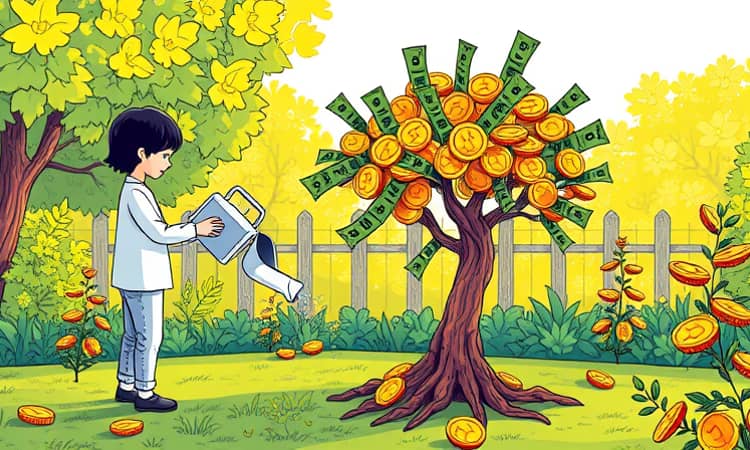
Adopting a lifestyle that consistently yields a surplus transforms your financial future and empowers personal choice.
In today’s fast-paced world, the habit of spending less than you earn can feel radical. Yet it lies at the heart of genuine independence.
Understanding the Core Concept
At its essence, living below your means means allocating income toward essentials first, then channeling the remainder into savings, investments, or debt reduction. This practice avoids the trap of consumer culture that encourages immediate gratification over long-term security.
Key principles include prioritizing needs over wants, cultivating intentional spending and mindfulness, and aligning daily decisions with future aspirations. It’s neither deprivation nor extreme frugality, but rather a conscious alignment of resources and goals.
Mathematics of Financial Independence
Financial freedom often hinges on building assets that produce passive income to cover expenses. A widely cited rule is the 4% safe withdrawal guideline: to sustain $50,000 in annual expenses, you need around $1.25 million invested.
By reducing your annual expenses to $40,000, your target portfolio can shrink to $1 million. This demonstrates how lifestyle choices accelerate or delay freedom.
Primary Benefits of Living Below Your Means
Embracing this habit unlocks multiple advantages that extend well beyond personal finance:
- Financial control and clarity: You track every dollar, eliminating the anxiety of “where did it go?”.
- Stress reduction and resilience: Building buffers allows weathering financial storms or downturns without panic.
- Debt elimination and credit improvement: Surplus cash accelerates loan repayment and reduces interest burdens.
- Wealth building through compound interest: Regular investments harness market growth over decades.
- Career flexibility and life options: Less desperation at work enables sabbaticals, entrepreneurship, or early retirement.
Real-World Illustrations
Consider two individuals, each earning $75,000 annually.
The first indulges in luxury, from expensive cars to lavish vacations. Despite the high income, they lack savings, accrue credit card debt, and experience constant financial anxiety.
The second adopts moderation: a reliable used car, modest rent, and intentional experiences. Within a few years, they accumulate six months of emergency funds and $200,000 in investments. Their peace of mind soars.
Overcoming Common Obstacles
Changing spending habits demands both strategy and mindset shifts. Here are frequent challenges and practical remedies:
- Lifestyle inflation creep: When income rises, spending often follows. Combat this by automating increased savings so you never see the extra funds.
- Habit formation: Tracking expenses for a month uncovers patterns. Focus on cutting major categories while preserving quality of life.
- Mindset resistance: Reframe budgeting as empowerment, not restriction. View each saved dollar as a brick in your foundation for long-term freedom.
Structuring Sustainable Systems
Intentions rarely endure without supportive frameworks. Implement these systems:
- Automate contributions to emergency and investment accounts.
- Set clear financial goals: a down payment, debt-free date, or target portfolio size.
- Review progress quarterly to adjust spending categories and celebrate milestones.
Integrating the Habit into Daily Life
Living below your means is more than a one-time overhaul; it evolves into a lifestyle. Follow these steps for lasting integration:
Begin by documenting all expenses. Identify non-essential costs that yield minimal joy, and redirect those dollars toward savings.
Maintain balance by allowing occasional treats. Sustainable habits flourish when they feel rewarding, not punitive.
Regularly visualize the life you aim to lead—debt-free, flexible, and unbound by financial stress. This practice sustains motivation during challenging months.
Long-Term Impact and Legacy
Consistent application of these principles creates a cascade of benefits:
Disciplined saving and investing over decades harness the power of compound interest, turning modest contributions into substantial portfolios.
Your relationship with money transforms from a cycle of earn-spend-repeat into an engine of intentional growth. You build hidden wealth while enjoying present comforts.
Finally, you gain the freedom to design each chapter of life, whether that means early retirement, philanthropy, or pursuing passions without financial constraint.
Conclusion
Living below your means is not about denying yourself the pleasures of today, but about ensuring tomorrow’s possibilities. By mastering this habit, you secure a path to lasting freedom, peace of mind, and the ability to craft a life on your own terms.
Start now: track expenses, automate savings, and watch your financial confidence bloom. Remember, the smallest consistent surplus builds the greatest future security.