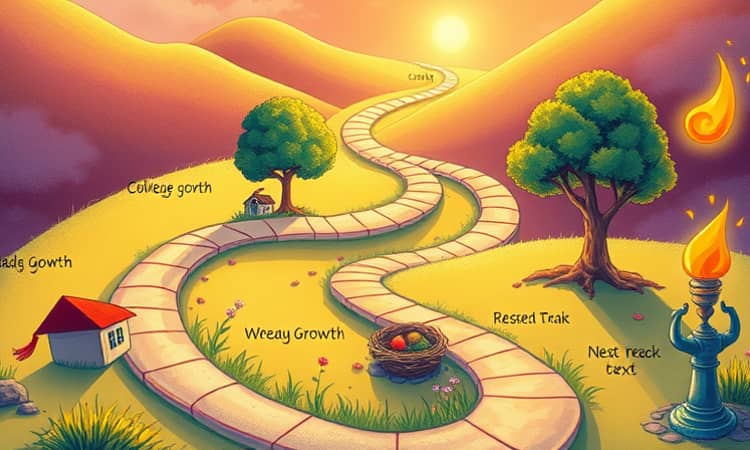
Every stage of life brings unique financial milestones and challenges. With a clear roadmap, you can navigate each decade with confidence.
From building your foundation in your 20s to leaving a legacy beyond your 70s, strategic planning empowers you to make informed decisions at every turn.
Building Foundations in Your 20s and 30s
In your early adulthood, the focus is on establishing healthy habits and eliminating burdens that can derail progress. By age 30, aim to be financially independent from parental support and debt-free or near debt-free.
- Pay off high-interest debt (10%+ APR)
- Save at least 15% of take-home pay
- Build an emergency fund covering three months of expenses
- Begin contributing to a retirement account
Securing health insurance once you lose dependent coverage, establishing good credit, and setting realistic budgets lay the groundwork for sustainable habits. Consider automating transfers into savings and retirement accounts so you prioritize long-term goals without relying on willpower alone.
As student loans or credit card balances diminish, redirect those freed-up dollars toward your emergency cushion and investment accounts. Early compounding growth can make a profound difference over decades.
Acceleration and Growth in Your 40s and 50s
Your 40s and 50s are often peak-earning years. With experience and expertise, you have the opportunity to significantly bolster your nest egg. By age 50, target six times your annual salary in retirement savings.
- Save at least 15% of gross income
- Increase emergency fund to cover 18 months of expenses
- Explore catch-up contributions to 401(k) and IRA accounts
- Maximize Health Savings Account (HSA) funding at age 55
During this phase, diversify your investment portfolio to balance risk and return. Real estate, dividend-paying stocks, bonds, and alternative assets can each play a role. If you have children, open dedicated college savings accounts to prevent student debt from delaying your retirement targets.
Professional growth and networking also contribute to financial resilience. Upskilling, certifications, or even a career pivot can accelerate income potential. At the same time, consider securing long-term care insurance and refining estate plans to protect your family.
Preparation and Transition in Your 60s
As retirement nears, the primary goal is consolidating gains and mitigating risks. By age 60, aim for eight times your annual salary saved and strive to eliminate all consumer debt.
- Pay off mortgage and outstanding loans
- Plan Social Security claiming strategy
- Review Medicare enrollment timelines
- Develop a withdrawal plan to minimize taxes
At age 59½, you become eligible to withdraw from IRAs without penalty. This opens avenues for tax-efficient strategies like Roth conversions or setting up a bucket withdrawal approach: short-term, medium-term, and long-term funds segmented by liquidity needs.
Evaluate downsizing or relocating if your current home’s equity can boost retirement security. Similarly, consider part-time consulting or volunteer opportunities to maintain engagement and supplement income during early retirement years.
Legacy and Distribution in Your 70s and Beyond
Once you reach your 70s, the focus shifts to sustaining your retirement lifestyle while planning for wealth transfer. Required minimum distributions (RMDs) begin at ages 73 or 75, depending on your birth year.
At age 70, you can make Qualified Charitable Distributions (QCDs) directly from your IRA to reduce taxable income. This strategy can fulfill philanthropic goals while managing tax brackets.
Effective wealth distribution requires updating beneficiary designations, drafting trusts if necessary, and aligning your will with current family dynamics. Discuss intentions with heirs to ensure clear expectations and emotional preparedness.
Throughout every stage, maintain flexibility. Life events such as caregiving for aging parents or unexpected health challenges may require adjustments. Regularly revisit your plan and leverage professional guidance when needed.
By breaking your journey into distinct phases—establishing foundations, accelerating growth, transitioning to retirement, and distributing legacy—you can celebrate each achievement and stay motivated by the next horizon.
Financial peace of mind is not a one-time event but a continual process of learning, adapting, and acting with purpose. Use the landmarks outlined here as checkpoints on your path to lasting security and the freedom to pursue what truly matters.