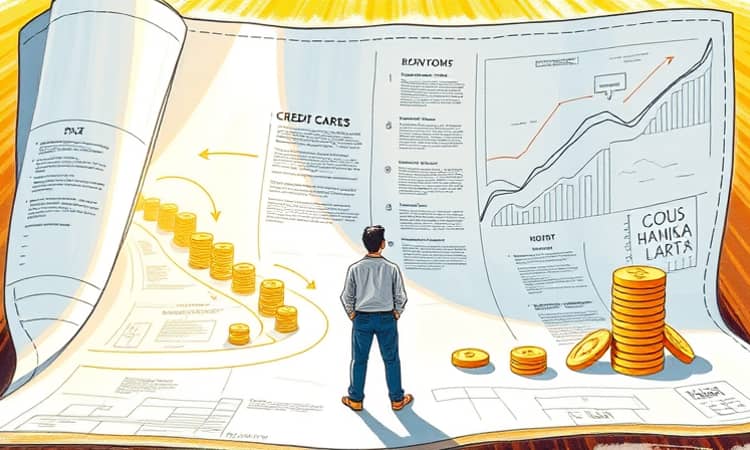
In an era where U.S. credit card balances have soared past $1.23 trillion, millions of consumers face the daunting reality of long-term debt. Nearly 61% of cardholders carry balances for over a year, and 22% fear they may never escape their obligations. But with a structured plan, rising balances can become a catalyst for transformation rather than despair.
This blueprint offers a comprehensive, step-by-step guide to reclaim control, reduce balances, and build toward financial stability in 2026 and beyond.
The Debt Crisis Today
The total U.S. credit card debt reached $1.233 trillion in Q3 2025, reflecting a 5% increase year-over-year. Despite a projected slowdown to $1.18 trillion by year’s end 2026, balances remain historically high. Delinquency rates tell a parallel story: 30+ days past due held at 2.98% in Q3 2025, just shy of pandemic peaks.
Consumers report financial stress driving these balances. Emergencies account for 41% of new debt—medical bills (12%), car repairs (8%), home repairs (8%)—while 33% arises from everyday expenses like groceries, childcare, and utilities. Nearly half of debtors lack a formal payoff plan, intensifying anxiety and prolonging cycles of reliance on high-interest credit.
A Mindset Shift
Before diving into numbers and tactics, it’s essential to transform your outlook. Recognize that debt is a challenge to overcome, not a lifetime sentence. With the right approach, you can transform despair into determined action and pave a path toward financial empowerment.
Embrace the belief that progress, however incremental, compounds into meaningful results. This mental reset fosters resilience, ensures consistency, and fuels motivation when balances seem insurmountable.
Step 1: Assess & Budget
The first step is gaining clarity on your financial landscape. Track every income source and expense category to reveal spending patterns and opportunities for savings. A transparent overview lays the foundation for an effective repayment plan.
Apply the 50/30/20 framework as a starting point: allocate 50% of income to necessities, 30% to discretionary spending, and 20% toward savings and debt reduction. Adjust those percentages in favor of debt payoff if balances are high.
- clear snapshot of income and expenses
- Identify non-essentials to trim
- Set targeted payoff milestones
Step 2: Choose Your Strategy
Selecting the right payoff approach balances speed, interest savings, and psychological momentum. Below is a comparison of core strategies to guide your decision.
Whichever path you choose, staying consistent with minimum payments on all accounts prevents penalties and credit score damage.
Step 3: Execute Tactics
With your strategy selected, implement practical tactics to maintain momentum. Small adjustments add up quickly when sustained over months.
- automate payments to avoid late fees
- Negotiate lower APRs with card issuers based on good payment history
- Redirect windfalls—tax refunds, bonuses, side-gig income—directly to debt
- Track progress monthly and adjust contributions as budgets evolve
Step 4: Prevent Recidivism
Eliminating debt is only half the battle; preventing future balances is equally critical. Cultivate habits that reinforce fiscal discipline and curb unnecessary spending.
Use cash or debit cards for daily purchases to avoid the emotional disconnect of plastic. Cancel or pause unused subscriptions. Create a modest emergency fund—target at least $500 initially—to reduce reliance on cards for unforeseen costs.
Over time, these measures help you embed sustainable habits to prevent relapse and secure long-term stability.
Advanced Solutions & Long-Term Recovery
For those needing extra support, consider professional credit counseling services. A non-profit counselor can review your situation, negotiate with creditors, and help structure a debt management plan at potentially lower interest rates.
Amid anticipated Federal Reserve rate cuts and projected APR declines to 23.79%, the economic environment is gradually easing. Savvy borrowers can leverage professional support for lasting recovery and benefit from lower borrowing costs.
Measuring Success & Staying Motivated
Track your journey with clear metrics: remaining balance percentages, number of accounts closed, and monthly interest savings. Celebrate milestones—like eliminating your first account or shaving 20% off total debt—to reinforce progress.
By setting regular check-ins and rewarding achievements, you track small victories and maintain momentum toward your ultimate goal: financial freedom.
With these tools—mindset, budgeting, strategy selection, disciplined execution, and ongoing vigilance—you can transform the weight of revolving debt into a structured path of empowerment. The blueprint is yours to follow; the journey from debt to dollars starts now.