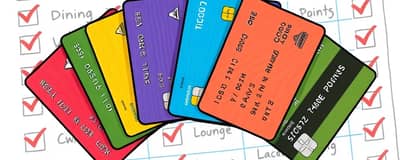
The thrill of discovering distant cultures can easily be dampened by unexpected and burdensome bank charges. When you look at your credit card statement and see those extra dollars tacked on, you realize that even small fees can accumulate quickly. With a clear understanding and strategic planning, you can transform international payments from daunting to effortless.
Whether you’re booking a charming hotel in Rome or making online purchases from overseas retailers, knowing how to handle charges is essential. This article will guide you through definitions, real-world impacts, and actionable tips so you can travel smarter and spend confidently abroad.
Defining Foreign Transaction Fees
Foreign transaction fees are surcharges imposed when you pay in a foreign currency or with international merchants. Issuers apply these fees to a variety of activities:
- Credit and debit card purchases abroad
- Online shopping from overseas retailers
- ATM withdrawals in foreign locations
- Some international money transfers
These charges encompass both currency conversion fees and cross-border surcharges. While networks like Visa or Mastercard often levy around 1%, banks may add another 1% to 2%, bringing total fees to 1% to 3% of the transaction.
Unpacking Fee Components
To truly grasp how fees add up, break them into key elements:
- network processing fees from card networks (Visa/Mastercard: ~1% per transaction)
- issuer surcharge applied by banks (typically 1–2%)
- currency exchange rate markup (up to 3%)
- ATM withdrawal fees and flat charges ($2–5 plus surcharges)
These layers can overlap, creating a complex picture. For example, a single ATM transaction might combine a $3 flat fee, a 1.5% conversion cost, and a local machine surcharge, turning a routine withdrawal into a pricey affair.
Comparing Issuer Fees
Not all cards are created equal. The table below highlights standard rates among major issuers:
This snapshot reveals that issuers like Capital One and Discover offer zero foreign fees, making them ideal for globetrotters. Premium travel cards from Chase and Bank of America also waive these charges as part of their perks.
Real-World Impact on Travelers
Picture yourself craving paella in Barcelona or indulging in sushi in Tokyo. Each swipe abroad carries unseen weight: a 3% fee on a $200 meal adds $6 to your bill. Over a ten-day trip with five transactions per day, that extra $300 can cover a special experience—until fees eat into it.
ATM users face similar frustrations. A traveler withdrawing cash might pay a $5 flat fee, another 2% conversion charge, and an extra local ATM surcharge. That $100 withdrawal can end up costing more than $10 in hidden costs.
Strategies to Avoid and Minimize Fees
Your passport may grant entry to lands far away, but smart card choices unlock savings. Here’s how to keep those extra percentages in your pocket:
- Use no foreign transaction fee credit cards like Capital One or Discover.
- Select local currency billing to sidestep dynamic conversion markups.
- Notify your bank before traveling to prevent fraud blocks.
- Seek partner ATMs that waive withdrawal fees.
- Compare prepaid travel cards before committing.
Emerging Trends and Global Variations
As digital banking evolves, new players like N26 offer zero-fee payments worldwide, with tiered ATM withdrawals depending on plans. European markets are seeing banks absorb network fees, passing savings to customers.
Beware of dynamic currency conversion: merchants abroad may offer to bill you in your home currency, but this often hides extra markups. Opt for local currency options on payment terminals to maintain control over conversion rates.
Mobile wallets and fintech solutions such as Revolut and Wise are gaining ground. They provide near-interbank exchange rates and minimal fees, appealing to tech-savvy travelers who value transparency and real-time tracking.
Global regulations vary: in Hong Kong, Mastercard applies about 1.95% while American Express charges 2%. Debit and prepaid cards echo credit fees, typically adding 1–3% to each transaction. In the U.S., issuers must clearly disclose charges under “Rates and Fees,” empowering consumers to make informed choices.
The rise of challenger banks and digital-first wallets has spurred competition. As traditional banks face pressure, many are reconsidering fee structures. Soon, travelers may see more zero-fee cards as the norm rather than the exception.
Empowering Your Global Adventures
International travel is about more than sightseeing; it’s about growth, connection, and discovery. Reducing transactional friction allows you to remain present in the moment rather than poring over bank statements. You can embrace spontaneity, indulge in local flavors, and forge memories without worrying about hidden costs.
The journey of financial savvy begins with awareness and culminates in action. Take a moment now to review your card's fee schedule, explore no-fee options, and align your payment methods with your travel ambitions.
For business travelers, remember that fees may be deductible as expenses. Consult your accountant to reclaim those costs and further enhance value.
As you chart new destinations, remember that every euro saved on fees is a souvenir you keep forever. Let your money fuel your wanderlust, not line someone else's pockets.
Safe travels and savvy spending await—navigate the world with confidence, knowing you hold the key to unlocking seamless, fee-free transactions across borders.