Just as you sculpt your body through disciplined workouts, you can reshape your financial life by tackling debt with equal vigor. Debt repayment is a marathon of consistency, strategy, and resilience. This guide will help you design a workout plan for your finances, build momentum, and cross the finish line feeling empowered.
Financial health demands strategic consistency and a clear vision. Let’s embark on the journey.
Assessing Your Financial Starting Point
Before launching an intense regimen, you need a baseline measurement. In fitness, you track weight, reps, and heart rate. In personal finance, inventory your debts, income, and expenses. Write down each loan’s balance, interest rate, and minimum payment. Document all sources of income and list fixed and variable costs.
This data becomes your workout log. By knowing exactly where you stand, you can craft a tailored routine to target weaknesses and maximize gains.
Choosing Your Debt Payoff Strategy
There are two primary methods to conquer debt. Each resembles a training philosophy: one optimizes efficiency, the other focuses on rapid wins to boost confidence.
Strength training for high-interest liabilities aligns with the Debt Avalanche Method. Follow these steps:
- Rank all debts by interest rate, highest to lowest.
- Pay minimums on every account except the highest-rate debt.
- Allocate extra funds to that top-rate debt each month.
- Once cleared, move to the next highest rate.
This approach minimizes total interest paid over time, making it the go-to for those seeking mathematical efficiency and long-term savings.
Alternatively, the Debt Snowball Method offers quick psychological wins. You:
1. Rank debts by balance size, smallest to largest.
2. Attack the smallest balance with all extra payment capacity.
3. Maintain minimums on remaining accounts.
4. Celebrate each payoff and build momentum.
This technique provides rapid psychological momentum boost, ideal for people who thrive on visible progress and regular achievements.
Strengthening Your Budget and Cutting Expenses
With a strategy in place, you need a financial diet to fuel the repayment plan. The popular 50/30/20 rule divides your income into three segments:
- 50%: Essential expenses, including housing, utilities, groceries, and debt minimums.
- 30%: Discretionary spending on entertainment, dining out, and hobbies.
- 20%: Savings and additional debt reduction funds.
Use this framework to spot areas for adjustment. Challenge yourself to reduce the discretionary slice and channel savings toward your fastest-growing debt.
Next, implement specific expense reduction tactics:
- Cancel unused subscriptions and streaming services.
- Eliminate gym memberships not being used.
- Cook at home instead of dining out.
- Resist impulse purchases with a 24-hour rule.
Additionally, list all income sources and fixed costs. Calculate your monthly surplus—this becomes the fuel for your repayment workouts. Review and adjust every month to stay on track.
Accelerating Payments and Consolidation Techniques
Once you’ve built baseline discipline, it’s time to intensify your regimen. Aim to pay more than the minimum whenever possible. Every extra dollar shaves interest and shortens your payoff timeline.
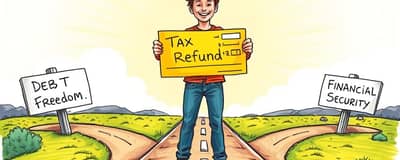
Apply windfalls—tax refunds, bonuses, gifts—directly to your highest-priority debt. This strategy reduces principal balance faster and compounds your progress.
For those juggling multiple accounts, consider consolidation:
Balance transfer credit cards with 0% APR introductory offers can freeze interest accrual, giving you a clear window to attack balances. Be mindful of transfer fees and expiration dates.
Alternatively, a debt consolidation loan rolls several debts into one monthly payment at a potentially lower rate. Simplifying payments reduces the risk of missed due dates and late fees.
Understanding the 2026 Economic Environment
The current financial climate presents unique challenges. Credit card APRs remain stubbornly above 22% even as Federal Reserve rates dip. Banks are not passing savings on to consumers, making debt reduction a priority for anyone carrying high-interest balances.
Household budgets are squeezed by skyrocketing costs:
- Groceries up 25–30% since 2020.
- Housing and rent prices outpacing wage growth.
- Car insurance climbing double digits.
- Healthcare premiums and out-of-pocket expenses on the rise.
Delinquencies are emerging earlier in the debt cycle, and consumers face tougher credit prioritization. Now is the moment to intervene and prevent financial backsliding.
Setting Goals and Staying Motivated
Effective goals are specific, measurable, and time-bound. Instead of “pay off my credit cards,” aim for “reduce credit card debt by $3,000 in 12 months.”
Track your progress weekly. Celebrate every milestone, from the first debt retirement to reaching 25% of your goal.
Building momentum through regular achievements makes the journey sustainable and rewarding.
Balance debt reduction with emergency savings and retirement contributions. Allocate windfalls strategically, and allow flexibility for unexpected expenses or interest rate changes.
Consider professional support if you hit a plateau. Nonprofit credit counseling, hardship programs, or creditor negotiations can provide tailored solutions and restore momentum when barriers arise.
Conclusion
Achieving financial fitness is a transformative journey.