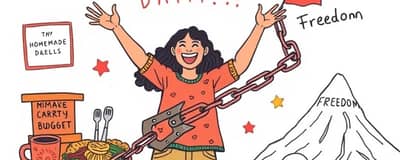
Today, millions feel overwhelmed by lingering balances, mounting interest, and the stress that comes with owing money. Yet debt, no matter how daunting, can be tackled with the right mindset and strategy. This article provides a comprehensive roadmap—packed with actionable advice, motivational insights, and real-world examples—to guide you from feeling powerless to fully empowered.
Introduction to Debt Empowerment
Debt is not a life sentence; it’s a temporary challenge that can be overcome through careful planning and persistence. Acknowledging that "any progress is better than none" is the first step toward regaining control. Whether you owe a small credit-card balance or thousands in various loans, starting sooner opens the door to quicker relief and compounding confidence.
Envision a future where your hard-earned income goes toward savings, investments, or meaningful experiences—rather than solely toward interest payments. That vision becomes attainable the moment you commit to an intentional plan.
Research shows that individuals who actively monitor their finances feel 50% less stress and anxiety and report higher confidence in spending decisions. Embrace the process of tracking and planning not as a chore but as a pathway to empowerment.
Assess Your Debt Situation
Before formulating a payoff strategy, you need clarity. Begin by listing every debt you carry: the issuer, outstanding balance, interest rate, and minimum monthly payment. Include credit cards, personal loans, student loans, auto loans, and any other obligations.
Next, calculate your debt-to-income ratio. Add up all monthly debt payments and divide by your gross monthly income. For example, if your debts total $1,500 per month and your pre-tax income is $5,000, your DTI is 30%. Aim to keep this figure below 36% to maintain financial flexibility.
Understanding these numbers not only reveals the scope of your challenge but also highlights where you can free up cash flow. A clear financial snapshot builds the confidence you need to act decisively.
Build Foundational Habits
Strong financial habits serve as the bedrock for debt elimination and long-term prosperity. Start by crafting a realistic budget. The 50/30/20 rule is a proven framework: allocate 50% of income to essentials and debt, 30% to discretionary spending, and 20% to savings or extra debt payments.
- Create a realistic monthly budget, using the 50/30/20 rule to allocate needs, wants, and savings.
- Build an emergency fund to cover three to six months of expenses, preventing new debt when unexpected costs arise.
- Track every dollar spent using a budgeting app or spreadsheet, revealing patterns you can adjust.
Consider leveraging technology: budgeting apps can categorize transactions automatically, set spending alerts, and project payoff timelines. These real-time insights keep you informed and accountable.
Debt Repayment Strategies
Selecting the right repayment method depends on your personality, financial situation, and what motivates you most. Below is a comparison of the five leading approaches, allowing you to weigh pros and cons carefully.
Implementing any of these strategies begins with covering minimum payments on time to avoid penalties. Then, channel additional funds according to your chosen method. Small extra contributions—even $20 to $200 monthly—compound into substantial savings over time.
For instance, if you owe $3,000 on a 22% APR credit card, applying an extra $50 monthly could shorten your payoff period by nearly a year and save hundreds in interest. Conversely, using a balance transfer to a 0% intro card can pause interest accumulation for 12–18 months, offering breathing room when used responsibly.
Advanced Tools and Techniques
Once you’ve mastered foundational strategies, these specialized tactics can accelerate progress or provide critical relief:
Balance transfers allow you to move high-interest balances onto cards with 0% introductory rates. Beware of transfer fees—usually 3%–5%—and ensure you can clear the balance before the promotional period ends.
Another powerful tool is direct negotiation. By contacting creditors and demonstrating on-time payments or hardship, some borrowers secure rate reductions or modified payment schedules.
When selecting a credit counseling agency, ensure it’s accredited by the National Foundation for Credit Counseling or a similar body. Beware of companies that charge exorbitant fees or guarantee immediate debt elimination—lasting change requires realistic timelines and consistent effort.
Engaging a reputable counselor can help you establish a comprehensive debt management plan, combining lower interest offers, payment structuring, and educational support to reinforce positive habits.
Sustain Long-Term Freedom
Eradicating debt marks a pivotal milestone, but maintaining financial health demands continuous attention. Embed the following into your lifestyle:
- Review and update your budget at least every six months to adapt to income changes.
- Avoid accumulating new debt by using cash or debit for purchases whenever possible.
- Keep your emergency fund fully stocked to deter impulse borrowing.
Maintain a credit utilization ratio below 30% after debt elimination to uphold or enhance your credit score. Check your credit report annually to dispute any errors that could harm your rating. A strong credit profile unlocks lower borrowing costs and better financial opportunities.
FAQs and Common Pitfalls
How can I stay motivated when payoff feels slow? Break your goal into smaller milestones—paying off one account at a time—and celebrate each victory. Tracking your progress visually can reinforce momentum.
Is paying only the minimum ever acceptable? Only as a temporary measure to avoid late fees. Long-term, minimum payments extend debt duration and drive up interest costs.
When should I seek professional help? If your debt exceeds half your income or you struggle to cover minimums, consult a nonprofit credit counselor or a certified financial planner for tailored guidance.
What budgeting mistakes should I avoid? Overly restrictive plans and failure to adjust for life changes. Build flexibility into your budget to account for celebrations, setbacks, and evolving goals.
Can I adjust my plan if life changes? Absolutely. Birth of a child, job change, or medical expenses may require budget revisions. Regularly revisit your strategy and stay flexible to stay on track.
Your journey to financial empowerment is a marathon, not a sprint. By assessing your current situation, establishing core habits, selecting the right repayment method, and leveraging advanced tools when needed, you can transform debt from a burden into a catalyst for positive change. Start today and take control of your financial destiny.