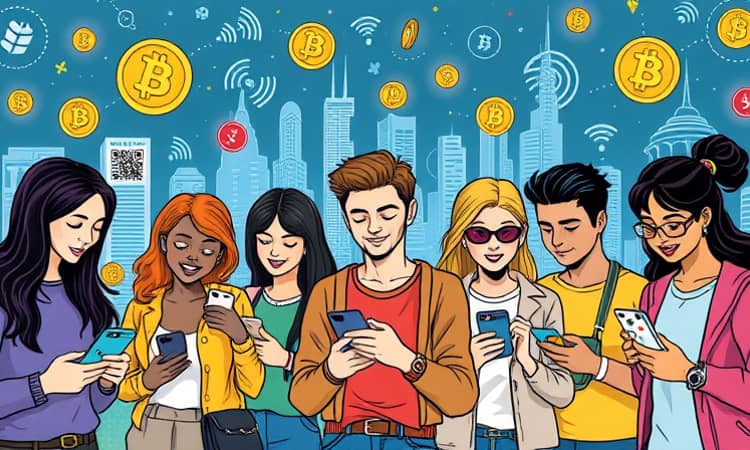
In an era defined by rapid technological advancement and evolving consumer expectations, digital wallets have emerged as a cornerstone of modern finance. From tap-and-go convenience to sophisticated mobile integrations, these tools shape the way we pay, save, and engage with money.
Understanding Digital Wallets
At its core, a digital wallet is an electronic device or software application that allows individuals to store, send, and receive payment information securely. These wallets can be hosted on smartphones, wearables, or cloud platforms, offering a blend of convenience and security.
Digital wallets differ from traditional payment methods in that they offer seamless secure digital payment revolution through features like tokenization, biometric authentication, and near-field communication (NFC). As consumer behavior shifts toward contactless interactions, these platforms deliver unparalleled financial flexibility for consumers.
Market Growth and Projections
The digital wallet market is experiencing explosive growth. Valued at USD 2,140.18 billion in 2023, it is projected to reach USD 7,857.70 billion by 2030, growing at a 20.58% CAGR between 2024 and 2030. Mobile wallets, a subset of the broader market, are set to expand from USD 12.85 billion in 2025 to USD 16.31 billion in 2026 at a 26.3% CAGR through 2034.
Globally, digital payments are expected to hit USD 19.89 trillion in transaction value by 2026 at a 24.4% CAGR, climbing to US$26.89 trillion by the same year. These figures underscore the transformative power of digital wallets within the payments landscape.
Rapid User Adoption Worldwide
Consumers are embracing digital wallets at unprecedented rates. In 2026, 5.2 billion users—over half the global population—are expected to transact via mobile or digital wallets. By 2030, that number could swell to 6.0 billion, representing 70% of the world’s population.
- 5.2 billion digital wallet users by 2026, up from 4.5 billion in 2025
- 69% of U.S. adults used digital wallets in the past 30 days (2026 data)
- India leads with 90.8% penetration, followed by Indonesia (89.8%) and Thailand (89.0%)
- Global spend via digital wallets reached $41.0 trillion in 2024, forecast to $55.9 trillion by 2029
This exponential user growth worldwide highlights the role of mobile-first strategies and consumer demand for fast, intuitive payment options.
Popular Wallets and Consumer Preferences
In markets like the United States, PayPal commands 42% usage, while Apple Pay holds a 38% share. Venmo, Cash App, and Google Wallet also feature prominently. Consumers value digital wallets for three core reasons:
- Speed: 80.6% cite rapid transactions as a top benefit
- Convenience: 76.9% appreciate easy access and management
- Security: Advanced encryption and tokenization build trust
As online purchases rise, digital wallets account for 53% of global e-commerce transactions, dwarfing credit cards at 20%. Point-of-sale digital wallet usage is also climbing, forecast to reach 45% of in-store purchases by 2030.
Key Drivers and Innovative Trends
Several forces drive this momentum. First, supportive regulations and standardization promote cross-border use. Second, technological breakthroughs—like blockchain-based wallets and biometric locks—enhance security.
Emerging trends include:
- Buy Now, Pay Later (BNPL) integration for flexible financing
- Virtual cards for one-time, secure transactions
- Gamification features to boost engagement
- Super-app models combining payments, banking, and lifestyle
Together, these innovations pave the way for a transformative payment ecosystem of the future, merging physical and digital experiences.
Challenges and Future Outlook
Despite robust growth, challenges remain. Regions like Europe face infrastructure costs for POS terminals, while Asia reduces cash reliance unevenly across markets. Real-time account-to-account (A2A) payments are gaining traction in the Americas, and open banking is reshaping MEA ecosystems.
Looking ahead, digital wallet providers and stakeholders must focus on:
- Expanding interoperability among platforms and borders
- Ensuring privacy through robust security measures and innovations
- Delivering inclusive solutions for underbanked populations
By addressing these areas, the industry can unlock new opportunities and enhance financial inclusion on a global scale.
Conclusion
Digital wallets are far more than a payment convenience; they represent a fundamental shift toward a cashless, interconnected world. With billions of users, trillions in transaction value, and a pipeline of innovative features, these platforms are redefining how we perceive and interact with money.
Embracing this evolution requires both consumers and businesses to stay informed, adapt to new security standards, and leverage emerging trends. Whether you’re a savvy shopper, an entrepreneur, or a financial professional, understanding digital wallets unlocks a realm of possibilities in modern money management.