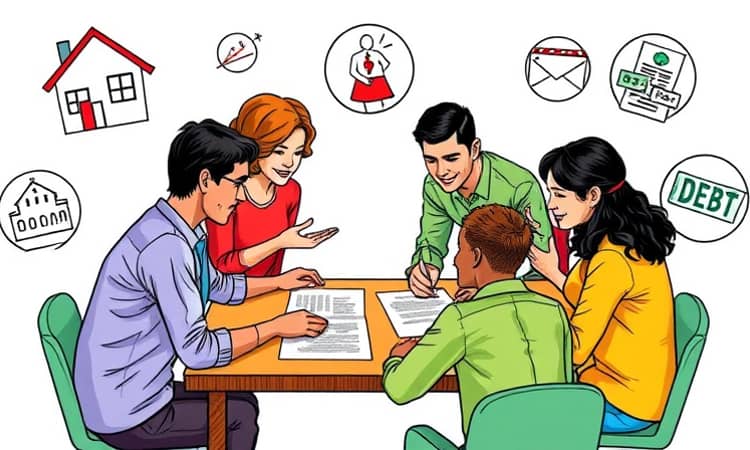
Whether you’re planning a renovation, managing unexpected bills, or consolidating credit card balances, personal loans can be a powerful tool. However, without guidance they may feel overwhelming.
In this comprehensive guide, we will break down the key loan options, highlight potential pitfalls, and provide estimate total borrowing cost before signing so you can move forward with confidence.
Understanding Personal Loans
Personal loans are installment loans where borrowers receive a lump sum and repay over time with regular fixed monthly obligations. They come in two main categories: secured loans backed by collateral such as savings, certificates of deposit, or vehicles, and unsecured loans that don’t require any assets. Each type offers different benefits and considerations, but both follow a basic structure where interest and principal are amortized into regular payments.
Because these loans offer flexible use for debt consolidation or emergencies, they can be tailor-made to a borrower’s needs. Secured options often feature lower rates but carry the risk of asset forfeiture on default, while unsecured products demand higher credit scores but eliminate collateral concerns. By prequalifying with a soft credit check, you can compare offers without impacting your credit.
Safe and Common Loan Types
Various personal loan products can meet different financial goals and credit profiles. Understanding each option helps you select the right tool without exposing yourself to excessive cost or risk.
- Unsecured personal loans: Ideal for borrowers with good credit, offering flexible use and predictable monthly payments without collateral.
- Secured personal loans: Backed by assets like CDs or vehicles, providing lower interest rates for secured borrowing but risking item forfeiture on default.
- Debt consolidation loans: Combine high-rate balances into a single loan and enjoy simplified budgeting and lower monthly interest obligations.
- Co-signed or joint loans: Partner with a trusted individual to qualify or secure better rates through shared repayment responsibility.
- Personal lines of credit: Revolving access to funds that charge interest only on the amount borrowed, granting flexible borrowing for ongoing expenses.
- Buy now, pay later plans: Split purchases into short-term installments, typically interest-free, but require timely payments within scheduled windows to avoid fees.
- Specialized purpose loans: Tailored products such as home improvement and credit-building loans designed for specific financial goals and life events.
High-Risk Loans to Avoid
Not all loan products are created equal. Certain options can impose triple-digit APRs and hidden fees, trapping borrowers in cycles of debt.
- Payday loans: Short-term advances typically due on your next paycheck, carrying extremely high interest rates over 300% and rollover penalties.
- Pawnshop loans: Asset-backed advances where failure to pay can result in loss of items without credit score benefit.
- Title loans: Use your vehicle as collateral and face severe short payback terms and steep interest or risk losing your car.
- Cash advance apps: Quick funds that often levy multiple fees and hidden subscription costs deducted from your payroll deposits.
- Credit card cash advances: Convenience with a cost, imposing high upfront fees plus ongoing high rates without any grace period.
- 401(k) loans: Borrow your retirement savings and risk tax penalties and loss of future growth if repayment obligations go unmet.
Comparing Fixed vs. Variable Rates
One of the most critical decisions is choosing between fixed and variable interest rates. Fixed rates remain constant for the loan term, enabling predictable budgeting without surprise increases. Variable rates can start lower but may rise over time, offering initial savings with future uncertainty risk.
Key Qualification and Comparison Factors
When evaluating lenders and loan products, look beyond the headline rate. Consider your personal profile and the loan terms to ensure long-term affordability.
- Eligibility Criteria: Credit score, income level, debt-to-income ratio, and employment stability.
- APR and Fees: Compare the annual percentage rate including origination and prepayment fees to gauge true cost.
- Loan Term: Shorter durations reduce total interest but increase monthly payments.
- Borrowing Amount: Confirm the minimum and maximum disbursal ranges meet your specific need.
- Funding Speed: Same-day funding may be available from some lenders for urgent expenses.
- Prequalification Options: Use soft credit check prequalification protects your score before committing to offers.
Pros, Cons, and Real Risks
Personal loans offer lower rates than credit cards when qualified, predictable amortization, and the chance to build credit when payments are reported. Fixed monthly schedules can simplify budgeting and reduce stress compared to revolving debt.
On the downside, borrowers with limited credit profiles may face elevated interest rates that erode benefits. Collateral-backed loans risk asset seizure, and variable rate products could lead to unexpected payment increases if market indexes climb.
A key risk is overborrowing: taking on a loan that stretches your budget can trigger late fees, credit damage, or even default. Always weigh the long-term impact of repayments against your overall financial health.
Strategies for Confident Borrowing
Approach the loan process with a clear plan. Use online calculators to estimate monthly payments and total interest so you know exactly what to expect. Create a written repayment schedule and safeguard it within your budgeting framework.
Before you finalize any agreement, compare APR and loan terms closely, read the fine print on fees, and request official Loan Estimates. If consolidation is your goal, ensure the new rate is meaningfully lower than your existing debts to produce actual savings.
Finally, adopt healthy credit habits: set up autopay to avoid late charges, monitor your statements for errors, and focus on building or rebuilding credit through timely repayments. With discipline and knowledge, personal loans can become a stepping stone to improved financial resilience.
Conclusion
By demystifying the variety of personal loan products—from safe unsecured options to high-risk predatory traps—you gain the power to make informed borrowing decisions. Armed with detailed comparisons and practical application tips, you can transform borrowing from a source of anxiety into a strategic financial tool. Remember that every loan decision should align with your long-term goals, budgetary constraints, and risk tolerance. With careful planning and diligent execution, personal loans can help you bridge gaps, seize opportunities, and build a stronger financial future without fear.