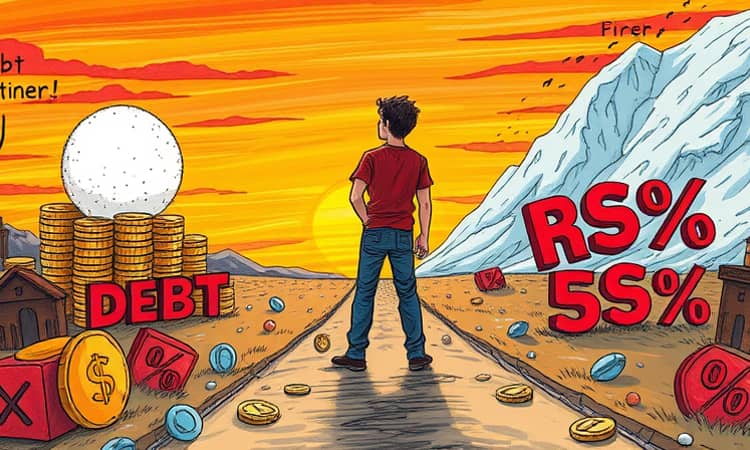
Embarking on the journey to debt freedom can feel like entering a grand battlefield. Each debt payoff method is a unique battle plans for financial victory, and choosing wisely can mean the difference between triumph and stagnation. This guide will equip you to survey your situation, select the right tactics, and press forward with confidence.
There is no one-size-fits-all champion. Instead, you’ll learn to match the right strategy to your situation, balancing mathematical efficiency, emotional resilience, and long-term credit health.
Know Your Battlefield
Before drawing your sword, you must understand the terrain. A thorough diagnostic reveals strengths, hazards, and hidden traps.
- Credit cards, personal loans, auto and student loans, medical bills, BNPL balances
- Balances, APRs, minimum payments, remaining terms
- measure your debt-to-income ratio against the 36% benchmark
If your non-mortgage debts exceed roughly 40–50% of gross income, more advanced tactics may be necessary. Key warning signs include regularly missing payments, relying on fresh credit to pay old balances, and accounts slipping into collections. Spotting trouble early lets you escalate before your credit score suffers irreparable harm.
DIY Repayment Strategies: Snowball vs Avalanche
Two popular “duels” dominate the DIY landscape. Each offers distinct advantages depending on your mindset, debt profile, and need for momentum.
Debt Snowball: Quick Wins as Your Weapon
The debt snowball tactic targets your smallest balance first, regardless of interest rate:
1. List debts from smallest to largest.
2. Pay minimums on all but channel extra funds to the smallest.
3. Roll that freed payment amount to the next smallest, and repeat.
Strengths:
- visible wins boost your motivation as each small debt disappears
- Ideal for those easily discouraged by slow progress
- Simpler tracking for non-numbers personalities
Weaknesses: This method ignores interest rates and often minimizes total interest paid over time less effectively than its rival. Expect slightly higher costs if high-APR balances linger until later rounds.
Debt Avalanche: Math-First Artillery
By contrast, the debt avalanche hones in on interest rates:
1. Rank debts from highest APR to lowest.
2. Maintain minimums on all, and flood extra cash toward the highest-rate balance.
3. Upon payoff, apply the freed amount to the next highest APR, and so forth.
Strengths:
- Saves more money by minimizes total interest paid over time
- Shortens overall payoff period under equal payments
- Aligns with an analytical, disciplined approach
Weaknesses: The lack of early, tangible victories can deflate morale, and this plan demands rigorous persistence.
Enhancing Your Arsenal
Beyond your core duel, these tactics amplify any chosen plan:
- Pay more than the minimum whenever possible to accelerate payoff and reduce interest load
- Automate payments—both minimums and extra contributions—to avoid late fees and keep momentum
- Optimize your budget: follow a 50/30/20 split, cutting variable expenses like dining or subscriptions
- Boost income through side gigs, overtime, or selling unused items
Every extra dollar, no matter how modest, chips away at balances and brings you closer to victory.
Consolidation Strategies: Changing the Terrain
Balance Transfer Cards
Moving high-APR credit card debt into a 0% introductory APR balance transfer window can slash interest costs—provided you wipe the balance before the promo expires. Expect balance transfer fees around 3–5% of the amount transferred and strict qualification based on credit score.
Debt Consolidation Loans
A fixed-rate personal loan converts multiple debts into fixed monthly payments and clear payoff date. Typical rates range from 7% to 36% over terms up to seven years. One payment simplifies management, but beware of origination fees and potential rate hikes if credit changes.
When to Escalate: Professional Tactics
If DIY and consolidation can’t tame your debt, consider formal programs. Options include:
- Nonprofit debt management plans with reduced interest negotiated by a certified agency
- Debt settlement as a last resort—negotiating reduced balances but risking credit harm
- Bankruptcy only when all other routes are exhausted, offering legal discharge at significant long-term credit cost
Consult a counselor or attorney to explore these paths. Sometimes professional guidance may be necessary in extreme scenarios to avoid deeper financial wounds.
Whatever battlefield you face, remember that the greatest weapon is informed action. Match your mood, resources, and tolerance for complexity to the right plan, and charge forward. With disciplined steps, you’ll conquer your debts and emerge victorious under your own terms.