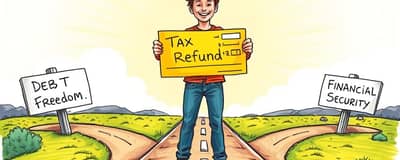
In an era dominated by towering national liabilities and rising borrowing costs, personal financial mastery has never been more urgent. By aligning global trends with individual action, you can transform overwhelming debt narratives into opportunities for lasting security and growth.
This comprehensive guide blends high-level context with hands-on tactics, equipping you to navigate uncertainty and reclaim control over your future.
Understanding the Global Debt Landscape
The scale of modern obligations is staggering. As of early 2026, global debt has reached record levels, exceeding $300 trillion and approaching 90 percent of total world GDP. By the third quarter of 2025, combined obligations had surged to nearly $346 trillion — a rise of $26 trillion in just nine months.
Major economies account for a large share of this burden. The United States alone hovers around 118 percent of GDP, with projections rising to 120 percent by 2035. Japan carries over 256 percent as governments in Europe, Asia, and the Americas contribute to a landscape defined by high interest rates and persistent deficits.
Non-government sectors mirror the strain. Household debt stands near $64 trillion — 57 percent of global GDP — while nonfinancial corporations owe almost $100 trillion. These figures underscore debt’s pervasive influence and highlight the imperative for macroeconomic backdrop for personal financial mastery.
Personal Financial Assessment Steps
Before deploying advanced strategies, establish a clear snapshot of your finances. This foundational review provides a solid base for every decision and prevents missteps born of incomplete information.
- Calculate income and expenses: Tally monthly take-home pay plus any side revenue. List fixed costs such as housing, utilities, and minimum debt payments. Account for discretionary outlays like dining, entertainment, and streaming services.
- Track spending for one month: Use an app or spreadsheet to log every purchase. Categorize each item and compare actuals against your estimates. Identify abandoned subscriptions or recurring fees you can eliminate.
- Adjust budget categories: Redirect savings from trimmed non-essentials toward critical targets like an emergency fund or debt repayment. Explore better service deals for insurance, utilities, and telecom.
- Choose a budgeting framework: Apply the 50/30/20 rule (needs, wants, savings/debt) or zero-based budgeting to assign every dollar a purpose. Monitor cash flow monthly to reinforce positive adjustments.
These steps establish the groundwork for sustainable progress, bridging macro-level risks with your personal risk tolerance and goals.
Debt Repayment and Management Strategies
Debt can derail even the best-laid plans, but strategic repayment restores control and reduces interest drag over time.
First, assemble a detailed liability roster: outstanding balances, interest rates, minimum payments, and due dates. Determine how much extra you can allocate each month after essential expenses.
You may also consider consolidation or balance-transfer offers to lower rates. Schedule extra payments as a recurring line item to ensure consistency. Remember, debt derails progress when left unchecked — high-interest balances compound against you, extending the payoff timeline.
Savings and Goal-Setting Tactics
Once liabilities are under control, systematically redirect resources toward meaningful objectives. Clear financial goals sharpen focus and fuel motivation.
- Define short- and long-term goals: List your top ten priorities, from a three-month emergency fund to a down payment on a home. Assign specific amounts and deadlines.
- Automate your savings: Treat transfers to savings or retirement accounts as non-negotiable monthly expenses. Use direct deposit splits or automated bank rules.
- Choose appropriate vehicles: Park short-term cash in high-yield savings accounts. For long-term objectives, allocate to diversified investment funds or tax-advantaged retirement plans.
Cost efficiency complements discipline. Routine habits can free significant cash each month.
- Meal planning and bulk cooking: Food prices have climbed over 22 percent in recent years. Buying in bulk, preparing weekly menus, and limiting dining out can cut expenses sharply.
- Trim unused subscriptions: Audit streaming services, software licenses, and club memberships. Cancel or negotiate lower rates for the ones you rarely use.
- Impulse-control strategies: Delay nonessential purchases by 48 hours. Often, the urge passes, preventing avoidable spending.
Building an emergency fund alongside debt repayment prevents new borrowing when unexpected costs arise, enabling you to weather challenges without derailing your trajectory.
Investment and Long-Term Planning
As your debt load lightens and savings grow, shift focus to wealth creation and legacy planning. Compound growth over decades can vastly outpace short-term market fluctuations.
Start by maximizing employer-sponsored retirement accounts such as 401(k)s, especially if matching contributions are offered. Next, explore individual retirement accounts and taxable brokerage accounts to diversify your holdings.
An effective long-term plan follows a phased approach:
- Establish a fully funded emergency cushion.
- Eliminate high-interest debt completely.
- Build retirement and education savings through automated contributions.
- Allocate remaining capital to diversified portfolios aligned with risk tolerance and time horizon.
Throughout, maintain periodic reviews to rebalance allocations and update goals. Use digital tools or work with a certified planner to stay on course.
Embracing this holistic five-step framework — inventory, prioritize, protect, grow, and adjust — transforms financial mastery from abstract aspiration into actionable reality.
By linking the sweeping narratives of national and corporate borrowing to your own balance sheet, you internalize both the risks and the levers at your disposal. With focused assessment, targeted repayment, disciplined savings, and strategic investing, you can rise above the din of record-breaking debt and chart a trajectory toward lasting freedom and opportunity.