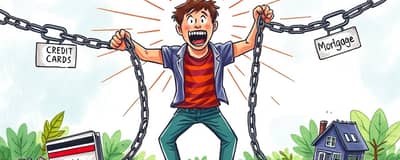
Debt can accumulate silently like toxins in the body, weighing down your spirit and eroding your confidence. The concept of debt detoxification invites you to go beyond mere repayment, engaging in a purposeful journey to uproot the behaviors and choices that fueled your financial imbalance. By adopting a mindset of renewal and committing to holistic lifestyle and behavioral transformations, you embark on a path toward freedom, empowerment, and long-term prosperity.
This article will guide you through the signs that signal it’s time for a financial cleanse, strategies to map your current situation, step-by-step repayment blueprints, and the essential mindset shifts needed to maintain momentum. With each section, you will feel inspired to take decisive action, transforming stress into clarity and doubt into financial momentum and empowerment.
When It’s Time for a Financial Detox
Recognizing that you have a toxic financial pattern is the first step toward healing. Left unchecked, bad habits like impulse buying and excessive credit use can spiral into mounting interest and unmanageable obligations. A debt detox becomes essential when you notice patterns undermining your peace and goals.
- Repeated cycles of paying off balances only to see them rebuild
- Chronic stress and anxiety linked to money worries
- Unconscious spending where funds vanish before month-end
- Expenses consistently exceeding income, fueled by impulse purchases
- Slow progress on savings, investment, or long-term objectives
Mapping Your Financial Landscape
Before you can cleanse anything, you must understand its composition. Conduct a thorough assessment by listing every debt, interest rate, minimum payment, and estimated payoff time. Track your income and spending to expose leaks, categorize recurring expenses, and highlight areas for immediate action. This diagnostic stage is akin to medical tests before a detox procedure—it exposes the critical indicators of health.
Once you have a panoramic view, you can identify high-priority targets and plot realistic timelines. Negotiating lower rates or consolidating balances can transform an overwhelming mountain of debt into manageable foothills. Remember, debt itself is not the villain—mismanagement is. By reframing your perspective, you begin to see each liability as a conquerable challenge.
Building Your Debt Repayment Blueprint
With your financial map and preferred strategy in place, it’s time to build a personalized repayment plan. This blueprint will serve as your daily guide, helping you resist temptation and stay on track. Automate payments where possible, set clear milestones, and celebrate each victory, no matter how small.
- Stop credit spending immediately (freeze or remove cards)
- Allocate extra cash to your top-priority debt
- Audit and trim unnecessary expenses to free up funds
- Use balance transfers or consolidation loans to lower interest
- Track progress weekly and adjust your plan as needed
As you progress, watch how smaller balances disappear and how your confidence builds. Each payoff transforms into fuel, accelerating your journey toward total debt elimination.
Cultivating a Prosperity Mindset
Long-term success depends not just on dollars and cents, but on embracing a shift from scarcity to abundance. Cultivating an abundance, prosperity, and wealth-building mindset means valuing growth over avoidance and seeing every challenge as an opportunity to learn. Start each day by reviewing your goals, visualizing financial freedom, and acknowledging the progress you’ve made.
Replace impulses with intention. Before any purchase, pause and ask, “Does this align with my financial vision?” By creating friction—whether through a waiting period or a stricter budget—you curb toxic impulses and promote deliberate spending. Over time, these small choices ripple outward, strengthening your resilience and reshaping your financial identity.
Maintaining Momentum and Transitioning to Wealth
Detoxification is not a one-time event but a transformative journey. As debts vanish, reallocate the resources you once dedicated to payments into savings, emergency funds, or investments. This reinvestment of cash not only secures your newfound stability but also propels you toward wealth accumulation.
- Establish a three- to six-month emergency fund
- Automate savings and investment contributions
- Upskill or explore side income opportunities
- Regularly review and refine your financial plan
By focusing on continuous improvement and staying vigilant against old habits, you embed sustainable practices that endure. Surround yourself with supportive communities, leverage financial tools and apps, and, if needed, seek professional guidance. This network of resources will keep you accountable and inspired.
Debt detoxification is more than a repayment plan—it’s a powerful invitation to reclaim control over your life. Embrace the process with patience, consistency, and self-compassion. Every small adjustment, every disciplined choice, and every victory brings you a step closer to lasting freedom and prosperity. It’s time to begin your financial cleanse and unveil the abundant life that awaits.