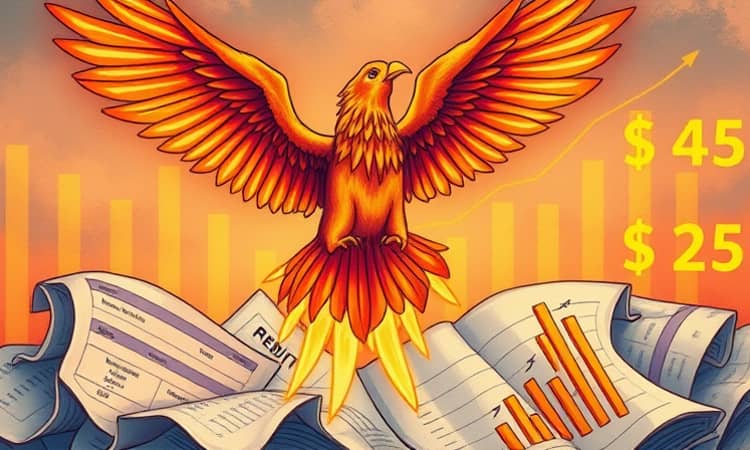
When debt problems leave your credit score in tatters, rebuilding may seem like an uphill battle. Yet, a structured approach and unwavering commitment can transform your financial outlook. This comprehensive guide will walk you through every stage of credit recovery, providing both inspiration and practical tips.
From understanding the factors that shape your FICO score to celebrating the milestones along the way, you'll gain clarity on how to regain control. Whether you're fresh out of a debt settlement or recovering from missed payments, these strategies will pave the path toward stronger credit and greater peace of mind.
Understanding the FICO Score Breakdown
Before you embark on repair efforts, it's crucial to know what drives your credit score. The FICO model weighs five elements differently, each contributing to how lenders perceive risk.
- Payment history (35%): This is the most critical component. Late payments remain on your report for up to seven years, so consistent punctuality is vital.
- Credit utilization (30%): How much of your available credit you use at any given time. Experts recommend staying below 30%, with the ideal target closer to 20–25%.
- Length of credit history (15%): The age of your oldest account and the average age across all accounts. Longer histories demonstrate established financial management.
- Credit mix (10%): Lenders like to see varied types of credit—credit cards, installment loans, mortgages—to ensure you can handle different obligations.
- New credit (10%): Opening several new accounts or having multiple hard inquiries in a short period can lower your score, signaling that you might be experiencing financial stress.
By focusing on the highest weighted factors first—payment history and utilization—you can achieve noticeable gains faster. Understanding the timeline of how updates occur also sets realistic expectations.
Common Pitfalls After Debt Struggles
Even after successfully negotiating settlements or paying off collections, your score may briefly dip. This counterintuitive drop often puzzles those who expect an immediate boost.
Several factors contribute to these declines:
• Credit mix shifts: Paying off installment loans or closing cards can temporarily lower your score by altering your account diversity or history length.
• Utilization reporting: Fully paying balances off-cycle may not appear until the next statement arrives, causing reported balances to fluctuate.
• New inquiries and accounts: Applying for debt relief or settlement programs can add multiple hard inquiries, which stay on your report for about two years and weigh down your score for the first year.
Recognizing these effects as short-term challenges helps you stay focused on long-term improvements. Patience and persistence during these initial months are essential.
Step-by-Step Rebuilding Strategies
Successful credit recovery relies on proven methods used by experts and endorsed by credit bureaus. Below are the foundational actions you can take immediately.
- Pay every bill on time: Use autopay and calendar reminders. Paying before your due date ensures a clean payment history, the most influential factor in your score.
- Reduce credit utilization ratio: Schedule multiple payments per month to keep statement balances low. If you carry a small balance, pay extra before the statement closing date.
- Open a secured credit card account: Secured cards require a deposit rather than a credit history, yet they report positive payment data to credit bureaus.
- Request goodwill adjustments from creditors: If you have a solid track record, some lenders may remove single late payments as a gesture of goodwill.
- Keep long-standing accounts open: Closing dormant cards can shrink your average account age and raise your utilization rate, both of which can harm your score.
- Consider rapid rescoring for mortgages: This service, offered by lenders, can update your score within days after paying down balances, improving loan eligibility.
Additional tips include refraining from unnecessary credit applications, avoiding high-interest payday loans, and diversifying your credit mix gradually through low-risk products.
Experts agree that steady disciplined effort outweighs quick fixes. Investing time in these habits builds a resilient credit profile that withstands future challenges.
Timeline to Recovery
Understanding when to expect changes can keep you motivated as your score rebounds. Credit bureaus typically update accounts once per billing cycle, but individual lender reporting can vary.
Small consistent actions can yield noticeable score uplifts within a single cycle. More significant negatives will require extended commitment but will fade over time.
Tracking Your Progress and Staying Motivated
Monitoring your score and credit report fosters accountability. Many free platforms provide monthly updates and alert you to crucial changes, such as new inquiries or late payments.
Celebrate incremental gains—whether a 10-point increase or a new credit limit approval. Each achievement reinforces positive habits and propels you forward.
Financial experts, like Dr. Ann Kaplan, emphasize that paying more than the minimum can rapidly lower balances and utilization. Gerri Detweiler advises paying before the statement closing date to reduce reported balances.
Embrace Patience and Celebrate Milestones
Credit restoration is a marathon, not a sprint. Avoid impulsive decisions like opening multiple cards at once or closing old accounts to chase quick improvements.
Set realistic goals—such as reducing total utilization by 5% each quarter—and review your progress every month. Consistency trumps perfection in the long run.
As you watch your score climb, reinvest the benefits. You may qualify for lower interest rates, higher credit limits, and better loan offers, which further reinforce your financial health.
The Road Ahead
Debt struggles do not define your credit profile indefinitely. Armed with these targeted strategies and a positive mindset, you can steer your credit score back on course.
Every on-time payment, every responsible credit decision, and every month of progress brings you closer to a robust, resilient credit history. Remember, your credit comeback story is a testament to your perseverance and commitment.
Take control, stay informed, and welcome each milestone. Your brighter financial future awaits—step forward confidently and embrace the possibilities that improved credit unlocks.