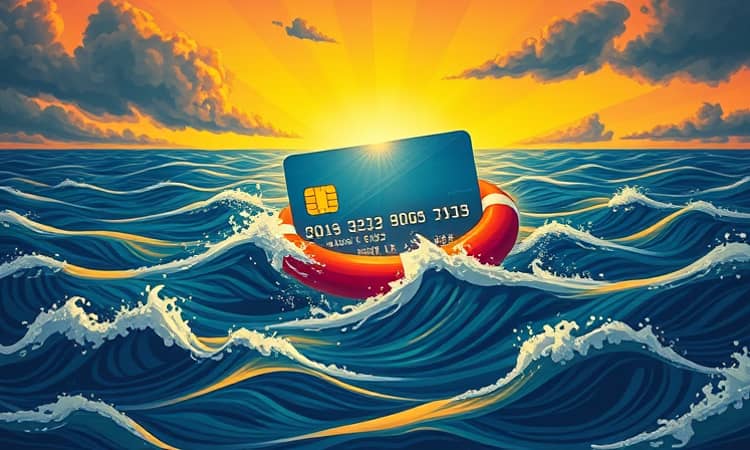
In the unpredictable journey of life, emergencies can strike at any moment, triggering not only fear but also an urgent need for resources. Whether it is a sudden medical crisis, a roadside breakdown, or an unexpected travel hiccup, having an accessible backup plan can transform panic into calm determination. In this article, we delve into how credit cards can serve as a reliable safety net, explore specific features that empower you, and share practical strategies to ensure you remain in control when the unexpected arises.
Immediate Access to Funds
One of the most compelling advantages of credit cards in emergencies is their instant financial relief. Unlike traditional personal loans, which may involve lengthy paperwork and approval delays, credit cards provide pre-approved access to funds at the swipe of a card or tap on a mobile wallet. This immediacy can be life-saving in medical situations where hospitals require upfront deposits, allowing you to focus on recovery rather than scrambling to raise cash.
Beyond healthcare, emergencies such as urgent home repairs or sudden travel changes often demand swift payments. A credit card bridges the gap between when you need money and when you receive your next paycheck, offering a crucial buffer. This stress-free short-term borrowing ensures that pressing needs are met without derailing your long-term financial goals.
Features That Make a Difference
Credit cards are more than a simple spending tool; they come equipped with a suite of features designed to ease emergency stress. Primarily, there are two distinct mechanisms to access funds in a pinch:
- Credit access: Allows transactions when your bank balance falls short, with the obligation to settle the amount later.
- Cash advance: Empowers you to withdraw physical cash from ATMs for situations that require liquidity on the spot.
Another invaluable benefit is the interest-free grace period. By paying off your full statement balance before the due date, you can essentially borrow money at zero cost for up to 30-50 days. This window gives salaried individuals breathing room when expenses arise just days before payday, preventing high-cost borrowing from other sources.
Security and Protection Measures
In high-pressure scenarios, security is paramount. Card issuers employ comprehensive fraud protection systems that monitor suspicious activity around the clock. If unauthorized charges occur, many providers offer zero liability policies, ensuring you are not responsible for losses. Additionally, emergency card replacement services can deliver a new card to your location within 24-72 hours globally, preventing you from being stranded without payment options.
For travelers facing unexpected challenges abroad, premium credit cards often include a suite of assistance services. The table below highlights common travel emergency benefits offered by leading card networks:
These protections not only alleviate financial burdens but also restore your psychological peace of mind when you are far from home.
Managing Costs and Avoiding Pitfalls
Despite their benefits, credit cards carry potential risks that demand careful management. High interest rates can quickly turn a short-term loan into a long-term burden. Most cards charge APRs starting around 9% and can climb above 20% depending on your credit profile. Cash advances often incur immediate fees plus higher interest rates, reducing the effectiveness of this funding route.
- APR Rates: Typically range from 9% to 25% per annum.
- Cash Advance Fees: Usually 2-3% of the withdrawn amount.
- Credit Score Impact: High utilization can lower your credit score.
Awareness of these costs helps you make informed decisions. By paying off emergency balances swiftly and avoiding unnecessary advances, you minimize added expenses and safeguard your long-term financial health.
Best Practices for Responsible Use
To harness credit cards effectively during emergencies, adopt a strategic approach anchored in preparation and mindfulness:
- Choose cards with low APRs and generous grace periods to reduce borrowing costs.
- Maintain a track record of timely repayments to build higher credit limits over time.
- Set personal spending caps to prevent overreliance on credit for non-essential expenses.
- Avoid impulse purchases by pausing and assessing necessity before swiping.
Most importantly, never view your credit card as a substitute for a dedicated emergency fund. Financial experts recommend saving at least three to six months of living expenses in a liquid account. This proactive cushion complements your card’s safety net, ensuring you have multiple layers of defense when challenges emerge.
Embrace Financial Empowerment
At its core, a credit card is a tool—one among many in your financial toolkit. When used thoughtfully, it empowers you to face emergencies with agility and confidence. By understanding your card’s features, diligently managing costs, and maintaining a healthy savings buffer, you forge a financial resilience network that stands strong even in the most unexpected circumstances.
The next time life throws a curveball, you won’t be paralyzed by uncertainty. Instead, you’ll have a clear plan of action: access your emergency fund, leverage your credit card wisely, and navigate the crisis without jeopardizing your future. Embrace the blend of preparedness and adaptability, and transform every challenge into an opportunity to grow stronger.
Remember, financial security is not a destination but a continuous journey. As you refine your strategies and build your reserves, your sense of empowerment will flourish, allowing you to face whatever lies ahead with unwavering resolve.