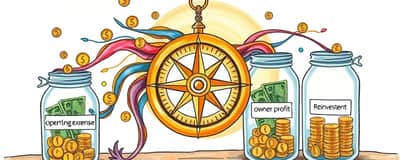
Unlock the power of credit cards without falling into the debt trap. Learn how to earn top rewards and manage balances with confidence.
Rewards Overview: Types and Benchmarks
Credit cards offer diverse reward structures, from flat-rate cash back to tiered points and miles. Understanding each type helps you select the right product for your spending habits.
Cash back programs typically range from 1% to 10% on purchases, with the industry benchmark at 2% for everyday spend. Points and miles accrue at 1x to 10x per dollar depending on categories like travel, dining, and groceries. Aim for cards that deliver at least 2% value on each transaction to build meaningful benefits.
Maximizing Your Rewards
To truly benefit from loyalty programs, pair high-reward cards with disciplined payment habits. Never carry a balance, as interest charges will often exceed your earned value.
Focus on rotating bonus categories and sign-up offers to accelerate point accumulation. Leverage cards that reward travel and dining if those areas reflect your lifestyle. If everyday expenses dominate, secure a flat-rate cash back card.
- Target at least 2% return on all purchases.
- Monitor quarterly bonus categories and activate promotions.
- Redeem strategically—transfers to partners or statement credits maximize worth.
- Stack rewards: combine card benefits with retailer offers or mobile wallets.
Regularly review your portfolio. As welcome bonuses expire or annual fees kick in, consider downgrading or replacing cards to maintain optimal reward efficiency. Maintain a credit profile that qualifies you for higher-tier products over time.
Debt Minimization Tactics
Even the best rewards vanish if you’re burdened by high-interest debt. Adopt a structured repayment plan and control your spending to keep balances in check.
Two proven strategies help you pay down debt swiftly:
- Debt Snowball: Focus extra payments on the smallest balance while paying minimums elsewhere. Celebrating small victories fuels motivation.
- Debt Avalanche: Allocate surplus funds to the highest APR account first. This approach saves on interest costs in the long run.
Choose snowball if you need psychological boosts; choose avalanche for maximum savings. Always pay more than the minimum due—this accelerates payoff timelines and reduces total interest paid.
Consolidation and Relief Options
If multiple balances overwhelm you, explore consolidation tactics. A single payment simplifies budgeting and may lower your overall rate.
Options include balance transfer cards, consolidation loans, and formal debt management plans. Each carries pros and cons:
Balance transfer cards offer 0% introductory APR for 12–15 months but often charge a transfer fee of 3–5%. Debt consolidation loans convert revolving debt into installment debt, potentially reducing rates. Debt management plans enlist credit counseling agencies to negotiate lower interest and set up structured payments.
Choosing the Right Cards
Your credit profile and spending patterns drive card selection. Beginners or those rebuilding credit should consider secured cards with no annual fee, such as secured cash back options offering up to 5% back on certain categories. As your score improves, transition to mainstream cards with more lucrative rewards.
Evaluate annual fees against expected rewards. A $95 fee may be worthwhile if you can earn $500 or more in value annually. Always calculate break-even points before committing.
Risks and Best Practices
Credit card benefits come with potential pitfalls. High APRs—ranging from 13.49% on the best secured cards to 35.99% on subprime products—can erode gains if balances linger.
Avoid these common mistakes:
- Carrying revolving debt and incurring compounding interest.
- Churning cards solely for sign-up bonuses without a repayment plan.
- Overextending on cards with high annual fees that outstrip rewards.
Maintain a utilization ratio below 30% to safeguard your credit score. Set up automatic payments for at least the minimum due to prevent late fees and penalty APR triggers.
Building a Sustainable Credit Strategy
Long-term credit health relies on consistency. Track your monthly spending, categorize essential vs. discretionary expenses, and channel savings into debt payoff or investments. Use cash or debit for impulse purchases, reserving credit cards for planned spending.
Leverage windfalls—tax refunds, raises, or bonuses—for targeted debt reduction. As balances decline, your credit utilization improves, unlocking access to premium reward products.
Transform your financial future by marrying reward optimization with rigorous debt management. With intentional choices and disciplined habits, you can enjoy the benefits of cashback, points, and miles without the weight of mounting interest. Start today to become truly credit card savvy.