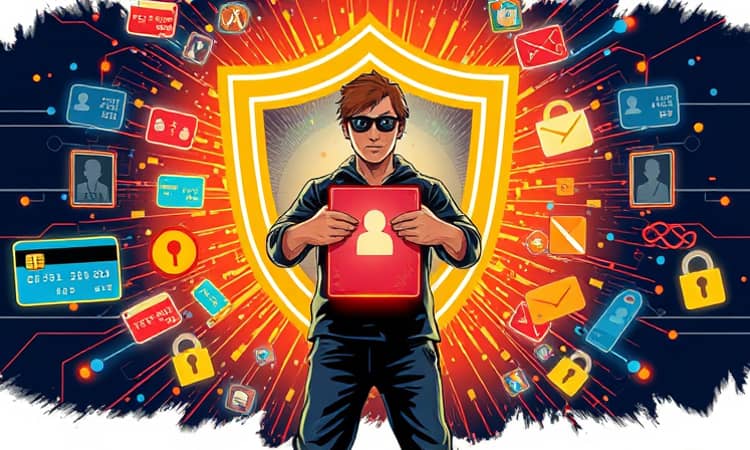
In an age dominated by digital transactions and online identities, the threat of financial crime looms larger than ever. Two of the most pervasive and damaging forms are credit card fraud and identity theft. While they are often mentioned together, understanding their distinctions and how they interact can empower you to protect your finances and personal reputation.
Imagine waking up to alarming charges on your statement, realizing that someone else has been living life on your credit. Or consider the nightmare of discovering a loan opened in your name—one you never applied for—destroying your credit score and peace of mind. These scenarios underline the urgent need to understand, detect, and prevent both crimes.
Understanding the Core Definitions
Credit card fraud refers to the crime of the unauthorized use of a credit card or similar payment tool to obtain money or property. This can occur when a physical card is stolen, card details are intercepted online, or recurring billing information is exploited without your consent. Such crimes are often detected quickly through suspicious charges and alerts.
In contrast, identity theft is a broader offense where a criminal assumes your identity to perform fraud or other illegal acts. By acquiring personal data—Social Security numbers, addresses, birth dates, or signatures—a thief can open new accounts, apply for loans, or even commit crimes under your name, leaving a long trail of legal and financial damage.
Scope and Scale of Impact
Although related, credit card fraud and identity theft differ dramatically in their reach and recovery time. Credit card fraud typically involves one account and resolves within billing cycles, whereas identity theft can affect multiple facets of life—bank accounts, tax filings, rental agreements—and take years to fully undo.
This table highlights how a stolen card number is a contained incident, while stolen identity data can spawn dozens of fraudulent actions over time. Recognizing this difference is the first step toward tailored protection.
How Identity Theft Facilitates Credit Card Fraud
Identity thieves often exploit stolen personal data to apply for new credit cards in your name. They bypass security checks by providing exact answers to verification questions, then receive physical cards and max out credit lines before detection. This layered strategy makes early detection harder.
In many cases, victims only learn of the crime when collection calls arrive or when they are denied credit for legitimate applications. By understanding this connection, you can bolster safeguards on both fronts—monitoring your credit report for new accounts and setting up alerts for unauthorized purchases.
Common Methods of Theft
Attackers use a variety of tactics to steal data and access accounts. Being aware of these schemes helps you spot red flags.
- Skimming devices on ATMs or point-of-sale terminals
- Phishing emails or texts capturing login credentials
- Data breaches at retailers or service providers
- Interception of card data on unsecured Wi-Fi networks
- Theft of physical wallets or discarded statements
Similar techniques target broader identity data, making it crucial to shred documents and guard personal information.
- Rummaging through trash for personal documents
- Impersonating legitimate services via phone or email
- Breaches exposing Social Security numbers and birthdates
- Malware recording keystrokes on personal devices
Many criminals combine these approaches, using minor frauds to mask larger identity crimes. Early awareness can save you from compounded losses.
Liability and Financial Protection
If you fall victim to credit card fraud, federal laws such as the Fair Credit Billing Act and the Electronic Funds Transfer Act protect you. Your liability is typically limited to fifty dollars, and most issuers enforce zero-liability fraud policies if you report promptly. Debit card fraud is slightly more complex, with a higher liability cap if not reported within two business days.
In the case of identity theft, there is no statutory cap on liability. Victims may initially be responsible for debts incurred in their name until they prove the fraud. Financial institutions often require an official Identity Theft Report before assisting, so swift action is essential.
By maintaining clear records of communications and charges, you strengthen your position when disputing fraudulent debts and filing claims.
Recovery Process
Recovering from credit card fraud is relatively straightforward when you act quickly. Contact your issuer’s fraud department immediately, dispute unauthorized charges, and request a replacement card. Disputed amounts are typically removed within one to two billing cycles, restoring normal account activity.
Identity theft recovery demands a more comprehensive strategy:
1. File an Identity Theft Report at IdentityTheft.gov to create an official Federal Trade Commission complaint. 2. Send copies of the report to Equifax, Experian, and TransUnion to block fraudulent information. 3. Place a credit freeze with all bureaus to prevent new accounts. 4. Monitor all financial, medical, and utility accounts for further misuse and maintain detailed records of every step.
This process can take months or years, requiring patience, persistence, and sometimes legal assistance. Document every phone call, letter, and email to build an airtight case.
Detection and Monitoring
Proactive monitoring is crucial. Enroll in credit monitoring services—many offer free tiers—and set up transaction alerts on all cards. Regularly review your credit reports, taking advantage of your free annual reports from each major bureau.
Implement early detection through automated alerts and consider services that scan dark-web forums for your personal data. Staying informed allows you to address anomalies before they escalate.
Prevention Strategies
Preventive habits form your best defense. Treat personal data as a precious resource:
Shred all documents with your name, account numbers, or Social Security number. Keep software and devices updated with the latest security patches. Enable two-factor authentication and complex passwords on banking, email, and social accounts. When traveling, use VPNs or mobile hotspots rather than public Wi-Fi. Finally, consider a simple credit freeze mechanism: freeze your credit with all bureaus to block unauthorized account openings.
Key Takeaways
- Credit card fraud is limited in scope and typically resolved quickly.
- Identity theft impacts multiple areas and can take years to erase.
- Legal protections cap credit fraud liability, but not identity theft.
- Rapid reporting and credit freezing are vital for identity victims.
- Regular monitoring and strong digital hygiene prevent both crimes.
By recognizing the differences between credit card fraud and identity theft, and by applying the practical strategies outlined here, you can safeguard your financial health and personal reputation. Cultivate vigilant habits today to avoid months or even years of recovery tomorrow.