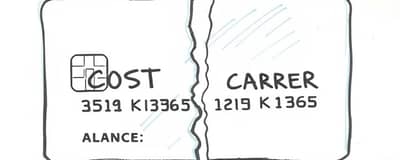
Credit card debt in the United States has surged to unprecedented levels, challenging millions of households and individuals. Navigating this landscape requires knowledge, discipline, and a clear plan. This article explores the latest statistics, underlying causes, and proven methods to regain control of your finances.
The Growing Burden of Credit Card Debt
According to recent data, Total U.S. credit card debt reached $1.277 trillion in Q4 2025, the highest amount recorded since tracking began in 1999. This figure reflects a 38% rise over the pre-pandemic peak of $927 billion in Q4 2019, and a staggering 66% increase from $770 billion in Q1 2021.
Households carry an average of $6,730 in credit card balances, with typical U.S. households approaching nearly $10,100 by late 2025. Individual cardholders with unpaid balances owe an average of $7,886, up 2.8% year over year. These trends highlight both the ubiquity of revolving debt and the challenge of rising interest rates.
Interest rates remain steep: credit cards charge an average APR above twenty percent (20.97%), and cards accruing interest average 22.30% APR. At these rates, making only minimum payments can extend repayment for decades and dramatically increase total costs.
Economic Drivers and Underlying Causes
Several factors fuel this surge. Inflation has eroded purchasing power, pushing more consumers to rely on credit for essentials. Concurrently, rising rates increase carrying costs. Lenders have tightened underwriting standards, shifting borrowing to higher-risk profiles.
At the same time, fintech firms are gaining ground, offering new credit products and rewards that encourage spending. While these innovations can provide flexibility, they also tempt consumers to overspend without appreciating the long-term cost of revolving balances.
Delinquencies remain a concern: roughly 2.57% of balances are projected to be 90+ days past due in 2026, and 61% of cardholders with debt have carried at least one balance for over a year. Moreover, 22% of borrowers make only the minimum payment, trapping themselves in a cycle of high interest and slow progress.
Assessing Your Situation: The First Steps
Before tackling balances, it is essential to understand the full picture. Conducting a thorough review reduces overwhelm and clarifies priorities. A systematic approach builds confidence and momentum.
- Perform a debt audit: List all balances, interest rates, minimum payments, and current status to see the complete landscape.
- Obtain free credit reports: Verify balances, identify errors, and dispute inaccuracies early.
- Calculate your monthly cash flow: Track income and essential expenses to determine available funds for debt reduction.
- Establish a starter emergency fund: Set aside at least $500–$1,000 to prevent new borrowing during unexpected setbacks.
With this foundation, you can choose a payoff method tailored to your situation, ensuring both progress and sustainable habits.
Choosing the Right Payoff Strategy
Two primary methods have proven effective for many consumers. Each offers psychological and financial benefits depending on your priorities and discipline.
- Debt snowball repayment approach: Focus on the smallest balance first, regardless of interest rate, to build momentum through quick wins.
- Debt avalanche repayment strategy: Target the highest-interest balances first to minimize total interest paid over time.
Both methods require consistent payments above the minimum due. Choose the one that aligns with your motivation style—small victories or mathematical efficiency—and stick with it.
In addition to these core tactics, consider negotiating with creditors for lower rates or enrolling in personalized one-click payment plans when available. Many issuers offer hardship programs or balance transfer promotions that can temporarily reduce carrying costs.
State-Level Debt Extremes
Debt burdens vary significantly by region. Understanding local trends can provide context for your own situation and reveal broader economic patterns.
States such as Washington (+11.8% growth) and South Dakota (+11.7%) saw rapid increases, while New Mexico (-10.3%) experienced the largest decline in average balances year over year.
Building Resilience and Monitoring Progress
Long-term success depends on consistent monitoring and adaptability. High interest rates demand a principal balance reduction focus rather than simply chipping away at conspicuous fees.
Set clear milestones, such as reducing total debt by 10% each quarter. Automate payments to ensure on-time submission and avoid late fees. Review your progress monthly to adjust budgets and strategies as needed.
As you reduce outstanding balances, redirect freed-up cash flow toward savings. Building a robust emergency fund shields you from future credit reliance, breaking the cycle of debt accumulation.
While projections forecast only 2.3% growth in balances by end-2026—moderate growth and stable delinquencies—the environment remains challenging. By applying disciplined methods, leveraging available programs, and maintaining financial awareness, you can reclaim control over your credit and pave the way to lasting stability.
In an era of unprecedented consumer debt, proactive management is the key to empowerment. Begin today by assessing your situation, selecting a payoff strategy, and building resilience for the future. With focus and perseverance, you can transform overwhelming balances into a clear path toward financial freedom.