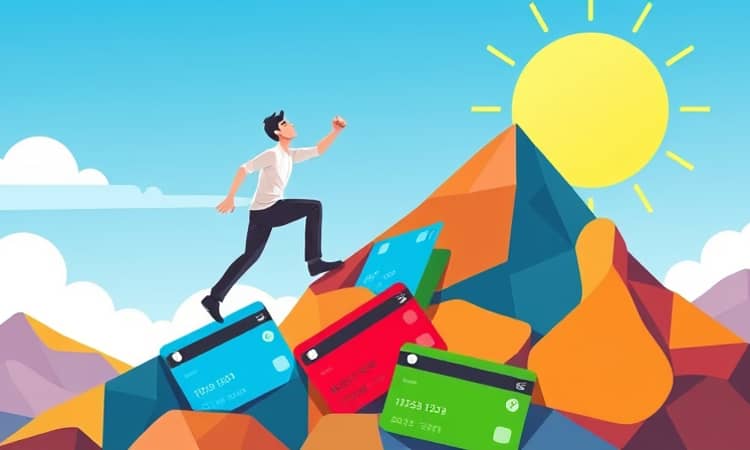
In today's economic climate, managing debt is more crucial than ever. Rising delinquencies and high-interest rates can feel overwhelming, but with the right strategies, you can take control.
This article will guide you through practical steps to conquer your credit and master your debt landscape. From assessment to action, you'll find tools and techniques tailored for 2026 and beyond.
Empower yourself with knowledge and turn financial stress into success. Building a secure future starts with understanding where you stand.
Understanding Your Debt Profile
Begin by identifying the types of debt you hold. Credit cards with rates over 22% are a common burden, along with auto loans, student debt, and personal bills.
Assess your situation using key metrics to gauge your financial health.
- Credit card debt, often with high interest.
- Auto loans and student loans.
- Medical and personal bills.
Use assessment tools like the debt-to-income ratio to measure your obligations. Keeping charges under 20% of your credit limit is essential for sustainability.
Budgeting Fundamentals for Control
Creating a realistic budget is your first step toward freedom. The 50/30/20 rule provides a clear framework for allocation.
Track your income and expenses diligently. Automation through tech tools can simplify this process and keep you on track.
- Allocate 50% of income to needs, including debt minimums.
- Use 30% for wants and discretionary spending.
- Save or pay extra debt with the remaining 20%.
Build an emergency fund to avoid new debt from surprises. A cushion of 3–6 months of expenses can protect your progress.
Effective Repayment Strategies
Choose a repayment method that aligns with your personality and goals. The debt snowball method focuses on quick wins by paying off smallest balances first.
This builds momentum and motivation. Ideal for those needing encouragement, it may cost more in interest over time.
- List debts from smallest to largest balance.
- Pay minimums on all, with extra on the smallest.
- Roll payments to the next debt after payoff.
Alternatively, the debt avalanche method prioritizes math efficiency. Targeting highest interest rates first saves the most money in the long run.
It requires patience but offers faster payoff. Saves on interest costs significantly compared to other approaches.
- Rank debts by highest to lowest interest rate.
- Pay minimums on all, with extra on the highest-rate debt.
- Continue until all debts are cleared.
Always pay more than the minimum when possible. Adding small amounts monthly accelerates principal reduction and cuts interest.
Advanced Options for Relief
For those with multiple debts, consolidation can simplify payments. Debt consolidation loans or balance transfers combine obligations into one lower-rate option.
This sets a clear payoff timeline and eases tracking. Potential savings from reduced rates make it a powerful tool if used wisely.
- Consider balance transfer cards with 0% intro APR for up to 21 months.
- Explore personal loans or home equity loans for lower rates.
- Use debt management plans through nonprofits for structured 3–5 year payoffs.
Negotiation with creditors can further reduce costs. Call issuers to request lower rates, especially if you have a good repayment history.
This tactic is effective for retirees or anyone facing high charges. Escalate to supervisors if needed and avoid new charges during negotiations.
2026 Trends and Future Outlook
The financial landscape is evolving with new technologies and economic shifts. AI powers predictive modeling in credit risk management, leading to faster decisions.
This integration of technology offers opportunities for better planning. GenAI and automation are becoming standard in reporting and treasury modernization.
Economic factors like rising delinquencies in auto and credit card loans highlight the need for agility. Stabilizing home prices and AI-driven credit supply present both risks and opportunities.
Sustaining Long-Term Success
Adopt habits that prevent future debt accumulation. Focus on one debt at a time and adapt strategies as your situation changes.
Avoid common pitfalls like missing payments or maxing out cards. Closing old accounts can hurt your credit score, so be cautious.
- Only borrow what you can repay comfortably.
- Review and adjust your budget regularly.
- Seek credit counseling if overwhelmed.
Embrace opportunities in the evolving market, such as private credit innovation. M&A returns and selectivity can enhance financial stability.
Remember, mastering your debt is a journey. With persistence and smart choices, you can achieve lasting financial freedom.