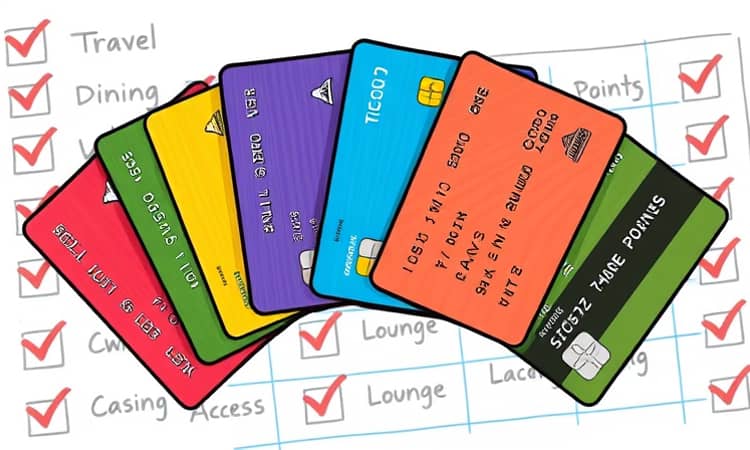
In today’s dynamic financial landscape, selecting the right credit card can transform everyday spending into valuable rewards and significant savings.
Why Comparing Credit Cards Matters
Comparing credit cards allows you to maximize rewards and avoid fees that can erode your benefits. With hundreds of cards on the market, each offering unique welcome bonuses, rewards rates, and perks, a systematic comparison ensures you align features with personal goals and spending habits.
Whether you are a frequent traveler chasing airline miles, a foodie seeking dining bonuses, or a savvy shopper aiming for flat-rate cash back, understanding the nuanced differences between offers is the cornerstone of strategic card selection.
Types of Credit Cards
- Cash Back Cards – Flat-rate or rotating category bonuses.
- Travel Rewards Cards – Miles or points for flights, hotels, and experiences.
- Premium Cards – High-end perks and credits offsetting steep fees.
- Business Cards – Tailored to company expenses and higher spend limits.
- No Annual Fee Cards – Ideal for casual users avoiding yearly costs.
- Co-Branded Airline/Hotel Cards – Exclusive airline or hotel benefits and status.
Building Your Comparison Checklist
Creating a structured comparison framework helps you evaluate each offer on consistent metrics. This comprehensive evaluation framework for comparisons balances rewards, costs, and perks so that the card you choose truly aligns with your financial objectives. Start by defining your spending categories and target bonus opportunities.
Below is a core checklist table that synthesizes key criteria, guiding you step by step through the decision process.
Top Card Categories & Examples
Leading credit cards span a range of annual fees, bonus structures, and perks designed for different lifestyles. Evaluate these top 2026 offers against your own spending patterns.
- Premium Travel Cards: Amex Platinum ($895 fee, up to 175,000 points bonus, 5X flights, lounge access, $200 airline credit); Chase Sapphire Reserve ($795 fee, 125,000 points, 8X travel, $300 travel credit); Capital One Venture X ($395 fee, 2–10X miles, lounge network, $300 portal credit).
- Cash Back & Dining Cards: Amex Gold ($325 fee, 4X dining/groceries, up to 100,000 points, dining credits); Chase Sapphire Preferred ($95 fee, 3X dining/travel, 60,000+ points, partner transfers); Bilt Obsidian (no fee, rent rewards, elevated dining/grocery earn rates).
- No-Fee & Specialty Cards: Capital One VentureOne (no fee, 1.25X miles, flexible redemption); Chase Freedom Unlimited (no fee, 1.5% base, 3–5% in key categories); Marriott Bonvoy Boundless ($95 fee, five free nights after spend, elite status).
Pitfalls & Practical Tips
Even the most lucrative card can underperform if mismanaged. Watch for high variable interest rates that can negate value if you carry balances. Always pay in full to avoid costly APR charges.
- Eligibility – Pre-qualify to avoid unnecessary credit inquiries.
- Fee Offsets – Ensure you use every credit to justify annual fees.
- Rewards Expiry – Keep cards active to prevent forfeiture of points.
- Foreign Transaction Fees – Vital consideration for international use.
- Spending Patterns – Adjust category focus based on monthly outlays.
How to Choose the Right Card for You
Begin by auditing your average monthly expenses across travel, dining, groceries, and business costs. Assign weight to each category based on budget share, then compare how each card’s rates translate into dollar value.
For example, if you spend $1,500 on dining and $2,500 on travel monthly, a card offering 4X dining and 8X travel could yield over $1,000 in annual rewards, easily offsetting a $795 fee.
Always match rewards to spending habits by calculating potential returns for each card. Use simple spreadsheets or calculators to visualize net gains after annual fees and credits, then choose the offer that delivers the highest net value.
Conclusion
Comparing credit card offers with a detailed checklist not only illuminates hidden benefits but also safeguards your bottom line. Armed with key metrics like rewards rates, intro bonuses, and redemption flexibility, you can confidently select the card that best aligns with your financial goals.
Ultimately, the best card is the one that aligns perfectly with your lifestyle goals and spending patterns. Invest time in a structured comparison to unlock maximum rewards potential and elevate your financial strategy.